

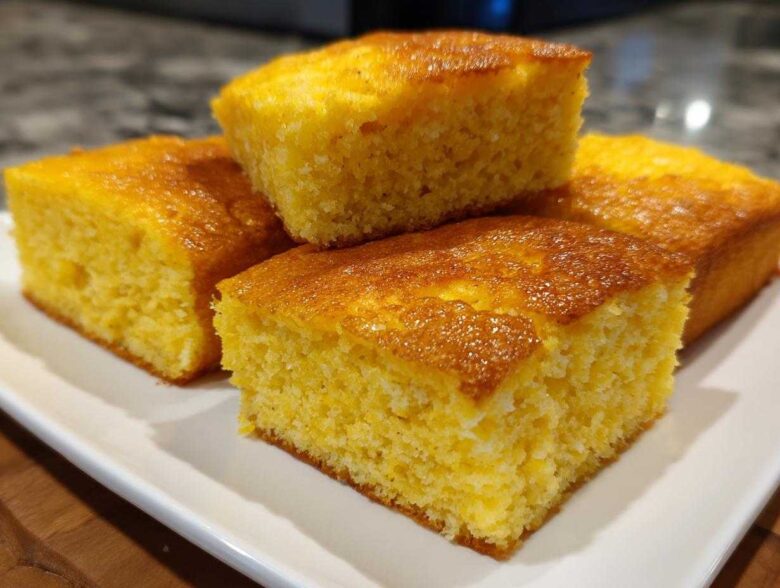
Ugh, the worst part of weekend breakfast? Scrubbing that greasy frying pan clean when everyone’s already run out the door! I used to dread making eggs for more than two people because of the cleanup mess. But listen up, because this changed everything for me: we are officially banning the frying pan for big batches and moving straight to the oven. We are talking about the ultimate hack: sheet pan eggs. This method is pure magic; you bake these beauties right on the pan and—wait for it—cleanup is a breeze when you use parchment paper. I use this exact sheet pan eggs recipe every single Sunday because it makes perfect portions ready for grab-and-go breakfast sandwiches all week long. Seriously, this simple oven technique totally revolutionized my mornings! If you love easy breakfasts like I do, you can find more amazing ideas right here.
Why This Minimal-Cleanup Sheet Pan Eggs Recipe Works
Honestly, I don’t know why I didn’t start using this method sooner! This approach to sheet pan eggs isn’t just another recipe; it’s a lifestyle change for busy mornings. The main reason I preach this gospel is the incredibly low cleanup factor. You throw out a piece of paper when you’re done—that’s it! No more soaking cold, crusty egg pans in the sink.
Plus, the efficiency here is unreal. We’re making 12 servings at once, which means I’ve got my entire healthy egg meal prep sorted out for lunch boxes or quick breakfasts for days. It’s honestly as simple as following the steps in my ultimate guide to overnight oats, but with more protein!
The Secret to Easy Cleanup with Sheet Pan Eggs
Listen closely because this is non-negotiable: you must use parchment paper. You line the entire half-sheet pan, making sure you leave a couple of inches hanging over the sides. These overhangs become your handles later when you lift the entire cooked egg slab out. Don’t skimp on greasing the parchment, either! A light spray or brushing of melted butter ensures zero sticking and solidifies this as one of my favorite minimal cleanup recipes.
Perfect Portions for Breakfast Sandwich Eggs Recipe
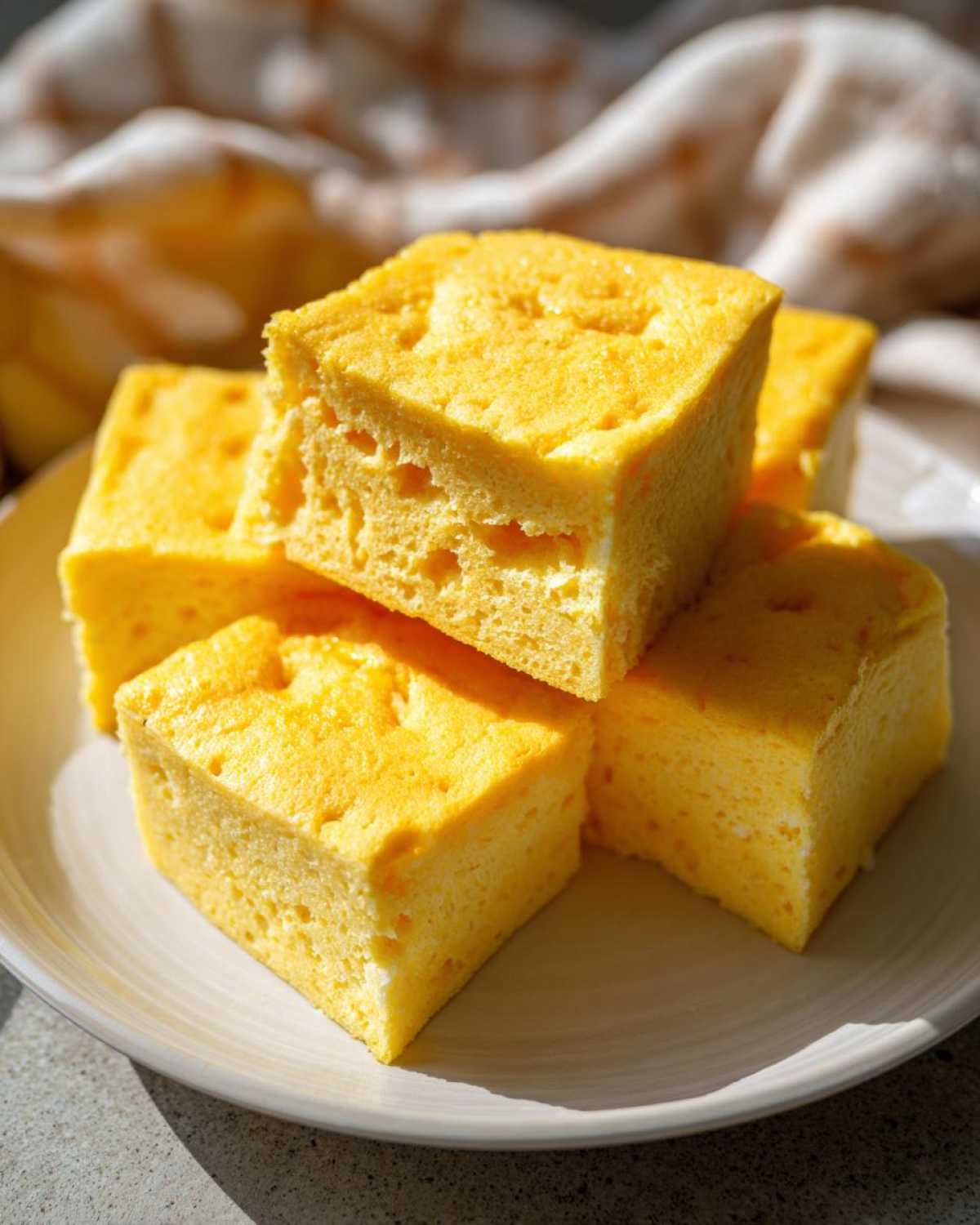
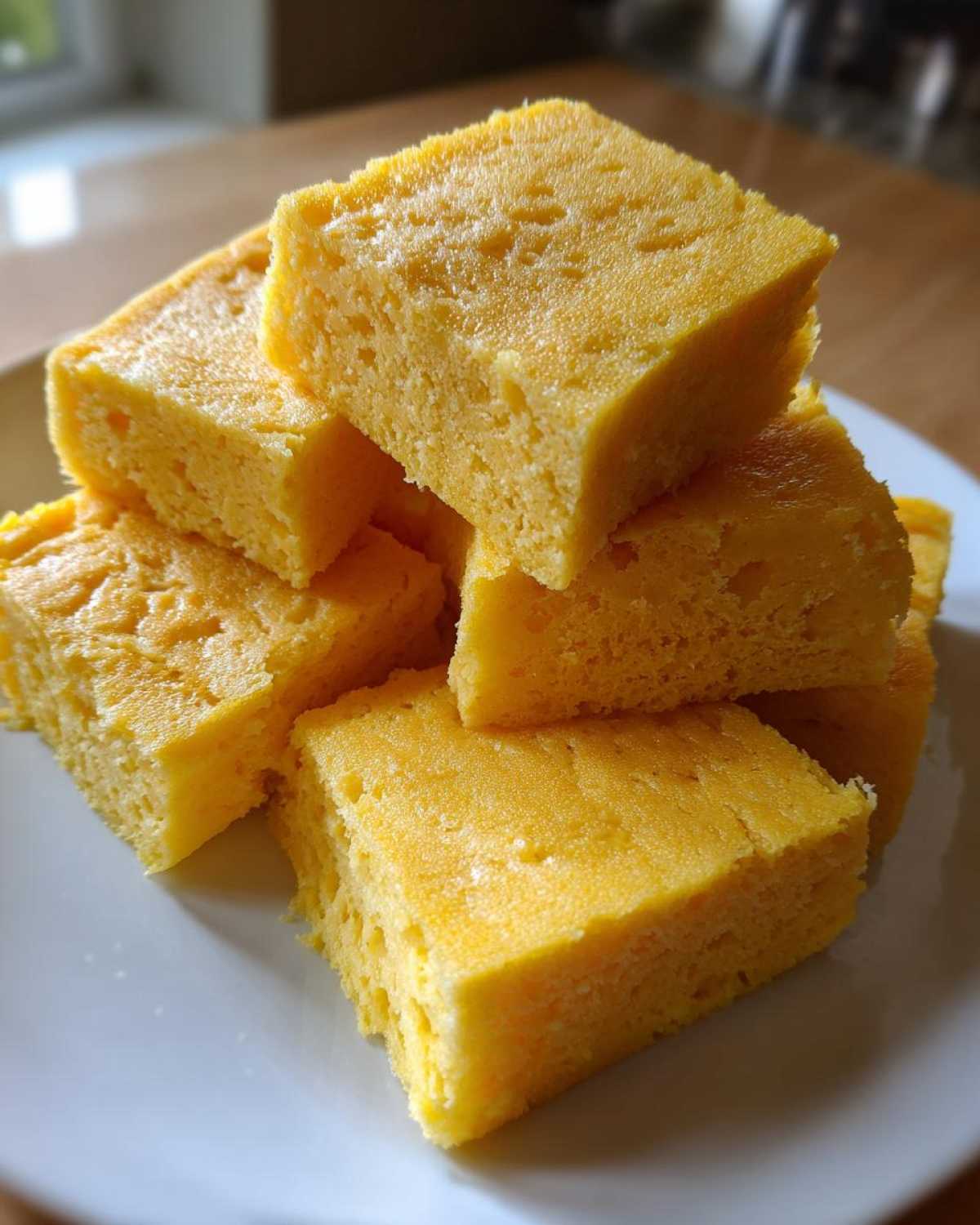
When you bake them flat like this, you get this beautiful, uniform mattress of egg. That’s the key to making the best breakfast sandwich eggs recipe! Once it cools for just five minutes, you just slice it into 12 neat squares. They fit perfectly onto English muffins or toast. You don’t have to worry about wrestling with oddly-sized fried eggs; every piece is perfectly portioned, ready to stack up!
Gathering Your Ingredients for Sheet Pan Eggs
Okay, now that we’ve established this is the easiest breakfast you’ll ever make, let’s talk about what we need. Keeping the ingredient list short is part of what makes this such a fantastic quick oven breakfast. You probably have most of this in your fridge right now! Always double-check you’re using the right size pan, though; that makes a huge difference in how long it takes, and we don’t want dry eggs!
Essential Ingredients for Oven Cooked Eggs
For our standard 12-serving batch, you need the basics. I always go for 12 large eggs—no medium ones here, we need those yolks for structure! We’re mixing them with a little liquid to help them set up nice and fluffy, which is why I grab 1/4 cup of milk or even just water if I’m out.
Here’s the core shopping list. Keep this handy:
- 12 large eggs (Go ahead and crack them into a huge bowl!)
- 1/4 cup milk or water (Don’t skip this little bit of liquid)
- 1/2 teaspoon salt
- 1/4 teaspoon black pepper
- 1 tablespoon butter or cooking spray (This is for the parchment paper!)
Optional Mix-ins and High Protein Sheet Pan Breakfast Boosts
This is where you sneak in some extra flavor or protein, depending on what you’re aiming for! I sometimes add about 1/4 cup of shredded cheese right into the egg mixture—cheddar or pepper jack is amazing. It melts beautifully while baking.
But if you’re like me and trying to get a big protein punch in the morning to keep you full until lunch, I have a trick! Remember that cottage cheese idea? This boosts the nutrition factor significantly. Just take about 1/2 cup of cottage cheese, put it in your blender or food processor, and blend it until it’s perfectly smooth cream. Whisk that smooth cottage cheese into your egg mixture instead of the milk. It makes these oven cooked eggs incredibly creamy and packs a huge protein wallop. It’s my favorite way to make a high protein sheet pan breakfast!
Step-by-Step Instructions for Sheet Pan Eggs
Making these is so fast, which is why this is the ultimate quick oven breakfast when I’m running out the door. The entire cooking process, from preheating to slicing, takes less than 25 minutes total, which is insane for feeding a dozen people! The magic is really in knowing exactly how to prep that pan so you don’t have to scrub anything later. Trust me, pay attention to the parchment paper step; it’s the difference between lifting out a perfect slab and scraping burnt bits off aluminum. If you want to see my inspiration for fast morning meals, check out my tips on quick oven breakfast ideas!
Preparing the Pan and Egg Mixture
First things first, get that oven cranking up to 375°F (190°C). While it’s heating, you want to line that standard half-sheet pan—that’s the bigger one, about 18×13 inches—completely with parchment paper. Make sure you’ve got several inches hanging over the short ends; those are your handles! Once the paper is down, give it a quick brush or spray with butter, especially if you skipped the cheese.
Now for the whisking! In your big bowl, combine those 12 eggs, the milk or water, salt, and pepper. Whisk it until it’s happy and combined. Now here’s a little tip from my kitchen: if you don’t want your baked eggs to look too lacy or bubbly on top, whisk just until the yolks and whites are mixed, but don’t go crazy splashing air into it. You want a creamy, uniform liquid, not meringue!
Baking and Slicing Your Sheet Pan Eggs
Pour that egg mixture onto your prepared pan and gently nudge it around to cover the bottom evenly. It won’t be thick, so try not to stress about that; it’s what makes this the best easy baked eggs recipe for speed. Pop it into the oven for about 12 to 15 minutes. You’ll know they’re done when they look set and jiggly only right in the very center, like a gentle wobble, not a slosh.
This is the fun part! Carefully pull the pan out. Use those parchment paper handles to lift the entire egg slab right out of the pan and onto your cutting board. Let it sit there for five minutes—honestly, five minutes is crucial, or it tries to escape! After that short rest, use a sharp knife to cut it into 12 neat squares. Now you have ready-made, perfectly sized portions for your week!
Making Sheet Pan Eggs for a Crowd: Brunch Bake Recipe Tips
Now, you know how much I love whipping up a massive batch for myself, but what happens when you actually have people over? Maybe it’s a low-key Sunday get-together or you’re hosting brunch and need something fast. Don’t panic! Scaling this recipe up for a crowd is shockingly painless compared to trying to flip 30 individual omelets. This is where the sheet pan eggs method truly shines as a superior brunch bake recipe.
The most straightforward way to handle a crowd is simply to use more pans. Since you’re using a standard wide half-sheet pan (18×13 inches) for 12 servings, if you need 24 servings, you just grab a second clean, prepped half-sheet pan and double the recipe. Keep the oven temperature the same—375°F—but you might need to check the doneness on your second pan a minute or two sooner or later, depending on where you placed it in the oven.
If you don’t have extra sheet pans, you can try baking the egg mixture in two batches back-to-back, but that defeats the purpose of speed! For a really large crowd, say 30 people, I suggest thinking about using a larger commercial-sized sheet pan if you have access to one, or simply arranging the portions in two layers in 9×13 inch baking dishes instead. That gives you a slightly thicker result, similar to an egg casserole without crust, but it still gives you perfectly sliceable squares. Remember, when you’re cooking in bulk like this, keeping the single-layer thickness is key to ensuring that fast, even cook time. If you’re looking for other casserole-style baked egg meals, you absolutely have to check out my eggs benedict casserole recipe!
Storage and Freezer Friendly Breakfast Meals with Sheet Pan Eggs
So you’ve successfully made a giant slab of deliciousness and you’re wondering how to keep that magic going throughout the week? That’s the whole point of this recipe, right? Having these sheet pan eggs tucked away means those frantic weekday mornings instantly become calm and easy. My #1 rule for storage, which I learned the hard way after my first batch, is that you HAVE to let them cool completely before you seal them up.
If you try to stack or wrap warm eggs, you create steam, and steam equals sad, soggy eggs. Nobody wants that, especially when these are supposed to be perfect for your grab-and-go routine. Spread those sliced squares out on a clean counter or cutting board, give them about 20 minutes to come fully down to room temperature, then you can move on to packing them away.
Making Them Freezer Friendly Breakfast Meals
If you’re aiming for ultimate convenience (and who isn’t?), freezing is the best plan. Once they’re cool, tightly wrap each individual egg square in plastic wrap or press-and-seal wrap. I wrap each one separately because it makes microwaving them later so much easier. You just pull out one piece at a time!
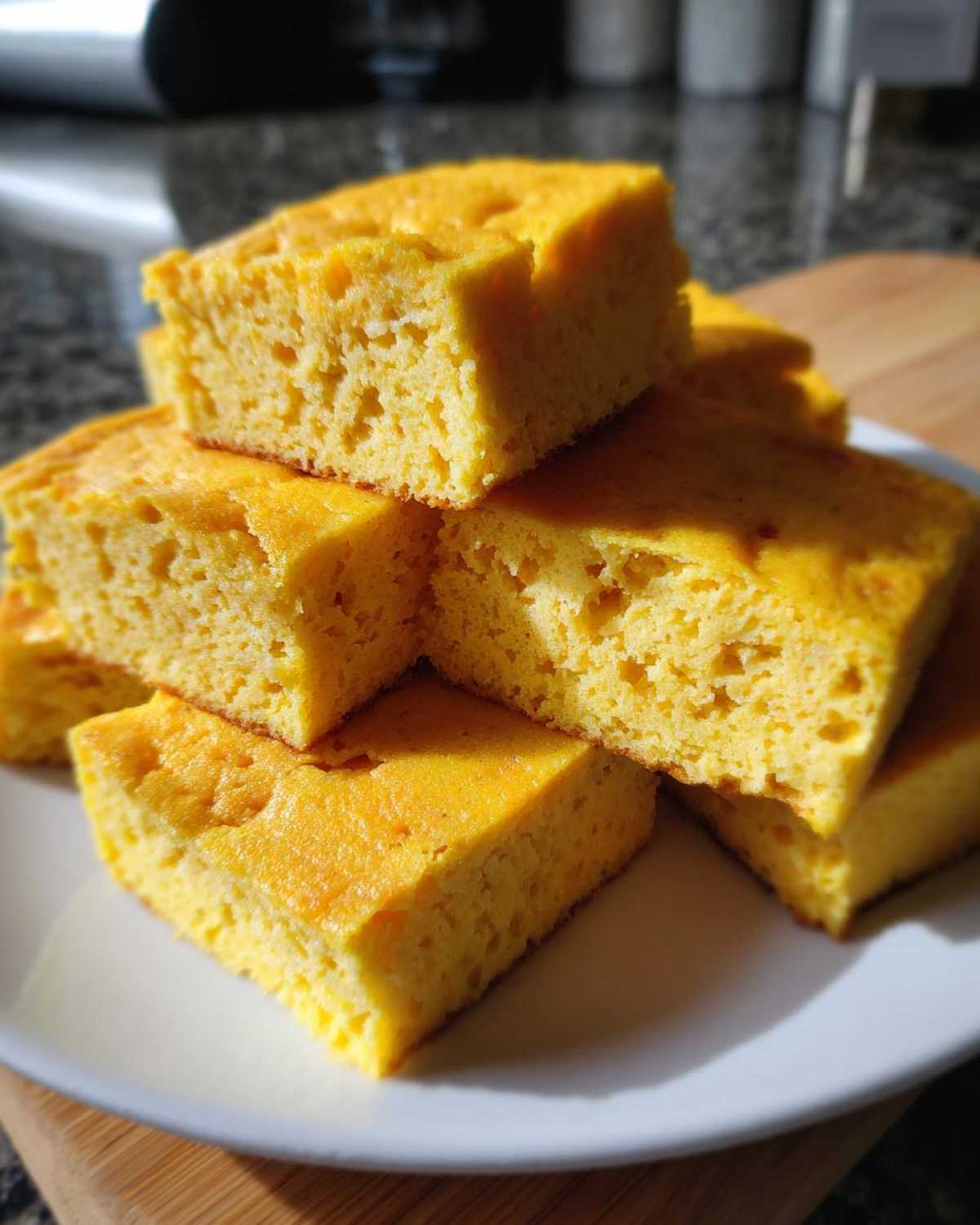
After wrapping them individually, toss those little bundles into a large, sturdy freezer bag, making sure to press out every bit of air before sealing it. Label the bag with the date—I try to use them within about six weeks. This whole process makes them true freezer friendly breakfast meals. If you’re looking for other awesome make-ahead solutions, you should definitely check out my guide on make ahead campfire breakfast burritos; they freeze beautifully too!
Quick Reheating Advice for Weekday Mornings
Reheating these frozen squares is unbelievably fast. You don’t even need to thaw them first. Just take one or two wrapped squares, toss them straight into the microwave, and zap them for about 45 seconds to a minute, depending on your microwave’s power. They come out fluffy and hot, ready to go straight onto a toasted English muffin for your sandwich. It tastes almost as good as when they first came out of the oven!
If you kept yours in the fridge instead of the freezer, even better! They only need about 15 to 20 seconds in the microwave to warm right up. It’s practically cheating how easy this makes getting a quick weeknight breakfast on the table!
Customizable Baked Eggs: Variations on Sheet Pan Eggs
The beauty of this sheet pan eggs foundation is honestly how easy it is to change things up week-to-week without making your life harder. Remember, we are sticking to that parchment paper magic, so we don’t want anything too wet or chunky that’s going to sink or mess up our cleanup routine. This keeps everything feeling like a fast, customizable baked eggs experience rather than a complicated culinary project.
My favorite way to switch things up is by treating the egg mixture like a blank canvas for spices and herbs. You can completely change the flavor profile just by swapping out the basic salt and pepper for something bolder. It’s still minimal effort, but it feels totally new every time you pull that pan out of the oven!
Here are a few simple ways I give this easy baked eggs recipe a little refresh:
- Herby Morning Bake (French Vibe): Right before pouring the eggs onto the pan, whisk in two tablespoons of finely chopped fresh herbs. Chives are the absolute best, but I also love using fresh parsley or dill. The green flecks look so beautiful against the yellow egg, and it gives it such a fresh taste, perfect for a spring brunch bake recipe.
- Southwest Kick: This variation pairs perfectly with that optional shredded cheese mentioned earlier. Add about a teaspoon of chili powder and about half a teaspoon of cumin into your egg mixture. If you’re feeling adventurous, you can sprinkle tiny bits of pre-cooked, diced onion or bell pepper over the top before it goes into the oven, but keep those veggie amounts small so they don’t release too much water.
- Mediterranean Twist: Before baking, sprinkle the surface evenly with a pinch of dried oregano and a tablespoon of finely crumbled feta cheese. Feta gets delightfully creamy when baked, though be careful not to overload it, as this can sometimes stick slightly more than cheddar.
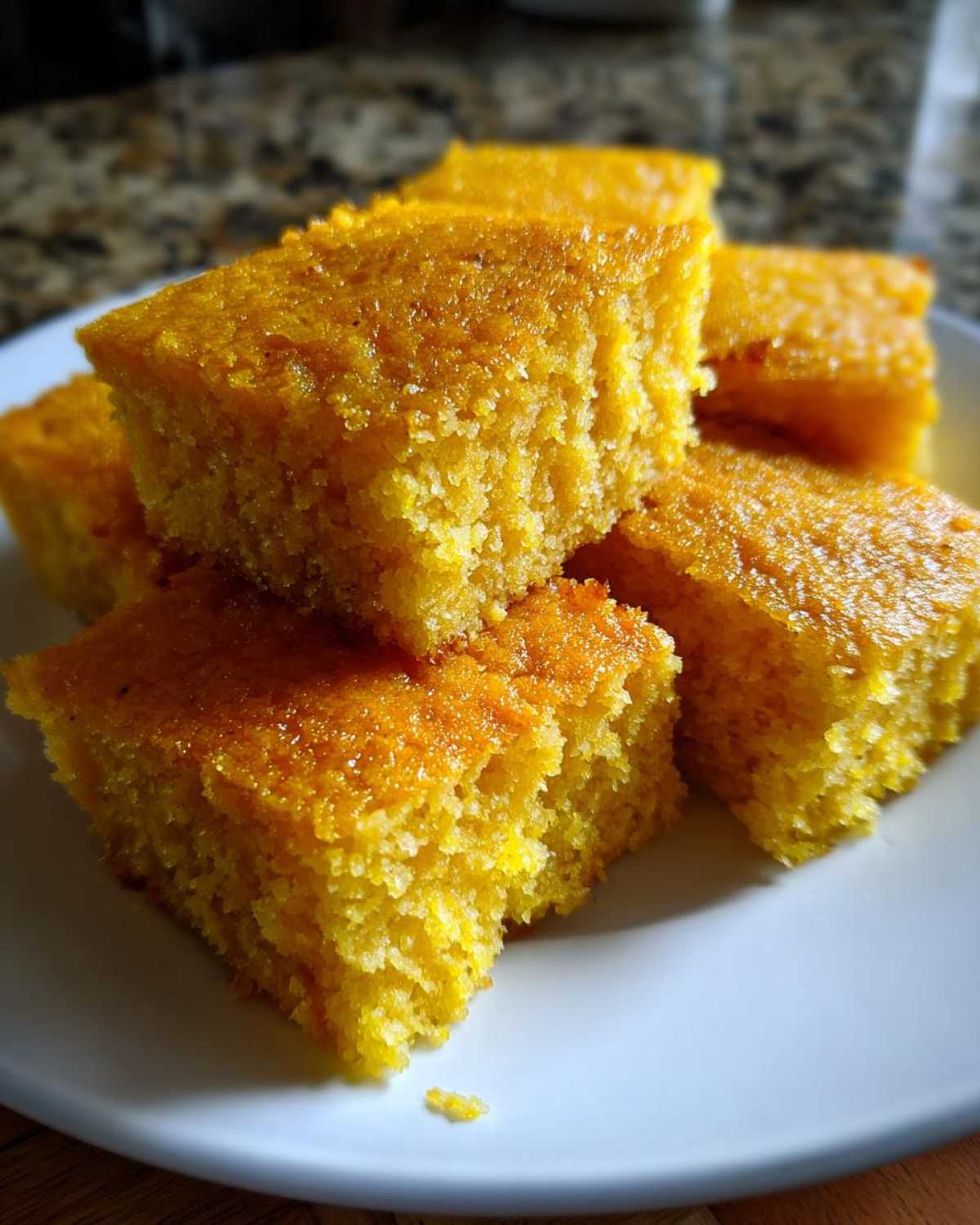
If you follow the basic 12-egg ratio, you can add about 1/3 cup total of finely chopped, non-liquid add-ins without changing your baking time at all. It’s such a brilliant way of keeping our healthy egg meal prep interesting all month long!
Troubleshooting Common Sheet Pan Eggs Issues
Every cook—even me, after making this a thousand times—deals with a few snags now and then. When you’re relying on an oven cooked eggs method for speed and convenience, the last thing you need are surprises. Don’t worry if your first attempt isn’t magazine-perfect! We can fix almost anything that goes wrong with this sheet pan eggs process. I’ve learned through trial and error what causes problems, usually stemming from pan prep or stirring too much.
Usually, the issues fall into three categories: It stuck, it’s uneven, or it’s just way too wet. Let’s tackle these head-on so your next batch is flawless for your breakfast for a crowd event!
What if my Sheet Pan Eggs Stuck to the Parchment?
This is the BIG one, and it totally scares people away from trying this minimal cleanup recipes hack again. Even when using parchment, sometimes those sugars in the egg mixture can grab on, usually if the parchment was too dry or if you used a cheap, thin liner. Guess what? You can still save it!
If you used the parchment handles to lift the slab and it came right out, hooray! If the bottom layer tore away, use a thin, flexible metal spatula—the kind you use for flipping burgers—to gently slide underneath the stuck areas. If it’s really stubborn, don’t rip at it! Just place the whole parchment sheet back onto the empty pan (so you have support underneath), and put it back in the *turned-off* oven for five minutes with the door slightly cracked. The residual heat will loosen everything right up. For next time, make absolutely sure you’re rubbing butter or spray all over that parchment!
Why Are My Eggs Unevenly Cooked?
Uneven cooking almost always comes down to oven placement or pan preparation. If the edges are rubbery and the very center is still runny, your pan was likely too small for the volume of eggs you used. Remember I said our standard recipe is perfect for an 18×13 inch half-sheet pan? If you use, say, a quarter sheet pan, your eggs will be super thick, and the outside will cook (and potentially burn) long before the middle is done. For thicker eggs, you need to reduce the oven temp to 350°F and add 5 to 10 minutes to the cook time, checking often.
Also, check your oven rack! Are you accidentally baking on a rack too close to the top heating element? Every oven has hot spots. If you’re doing batch cooking for a big brunch bake recipe, try to put one pan on the middle rack and the other on the lower-middle rack for the most even heat distribution.
My Sheet Pan Eggs Turned Out Watery or Soupy
Nobody wants that soggy layer at the bottom of their breakfast sandwich holder! If your easy baked eggs recipe came out too wet, it’s usually one of two culprits: too much liquid or frozen mix-ins.
The liquid ratio—1/4 cup for 12 eggs—is pretty precise. Did you accidentally add more milk thinking it would make it fluffier? More liquid just means more water to evaporate, and if it doesn’t evaporate in time, it stays liquid. Remember, if you add things like fresh tomatoes or mushrooms, they release a ton of water, so you need to sauté those separately first and pat them dry before adding them. However, if you used the recipe exactly as written and it was still watery, make sure you’re letting it sit those crucial five minutes before slicing. Sometimes that steam trapped underneath needs time to redistribute the moisture evenly throughout the slab!
Frequently Asked Questions About Sheet Pan Eggs
I know when you first look at this recipe, you’re going to have questions, especially if you’ve only ever cooked eggs in a skillet. That’s totally fair! I tried to squash all the common roadblocks people run into when they first try these sheet pan eggs. The goal here is always maximum convenience, so I want you to feel totally confident when you pull that first batch out for your next healthy egg meal prep session. If you’re curious about trying out other fast morning ideas, you can always check out my entry point for the easy baked eggs recipe section for more tips!
Can I make sheet pan scrambled eggs instead of a slab?
You absolutely *can*, but honestly, why would you torture yourself? The whole reason we love this minimal cleanup recipe is getting that perfect, sliceable slab for stacking high on sandwich bread. If you truly want scrambled texture out of the oven, you have to stir the eggs gently about halfway through the baking time—say, around the 7-minute mark. You use a spatula to push the cooked edges toward the middle and tilt the pan so the uncooked liquid flows underneath. But be warned: while it’s technically scrambled, it never gets quite as uniformly fluffy as a pan scramble, and it will definitely be messier upon removal. Stick to the slab for the best breakfast sandwich eggs recipe!
What is the best pan size for this easy baked eggs recipe?
The recipe is specifically written for a standard half-sheet pan, which is usually about 18×13 inches. This size is perfect because it keeps the egg layer fairly thin—about a half-inch high. That thin layer is what allows the eggs to cook evenly in just 12 to 15 minutes. If you use a smaller pan, like a quarter sheet pan (which is half the size), your eggs will stack up much thicker. If they are thicker, they take way longer to cook through, hitting maybe 20–25 minutes total, and you risk burning the bottoms before the center sets! It’s much better to use two half-sheet pans than one small, deep one for this easy baked eggs recipe.
Are these sheet pan eggs suitable for a quick weeknight breakfast?
Yes, 100%! I know we usually think of this as a weekend staple because you’re cooking a big batch, but if you’ve already meal prepped them earlier in the week, they are the definition of a quick weeknight breakfast. You spend maybe 5 minutes prepping them over the weekend, and on a busy Tuesday night, it takes less than a minute in the microwave to reheat a slice. If you’re trying to make them fresh on a weeknight, the prep time is only 5 minutes before they hit the oven. Honestly, that’s faster than getting two frying pans hot enough to cook individual orders!
Nutritional Estimates for Your Sheet Pan Eggs
I know a lot of you are tracking macros or just trying to keep things light while boosting your protein intake—me too! So, here are the estimates for one standard square, based on the core ingredients listed (1/12th of the batch, without any optional cheese added). Remember, if you use that blended cottage cheese trick, your protein count is going to jump way up! These numbers should give you a great baseline as you plan your meals.
This information is just an estimate, but should help you plan for your healthy egg meal prep goals:
- Serving Size: 1 square
- Calories: 75
- Protein: 6g
- Fat: 5g
- Carbohydrates: 1g
- Sodium: 150mg
For more healthy swaps and high-protein inspiration, take a peek at my thoughts on high-protein chili recipes; sometimes we need that extra boost later in the day!
Share Your Perfect Sheet Pan Eggs Creations
Alright, I’ve told you all my secrets for making perfect, low-mess, oven cooked eggs that slice like a dream. Now it’s time for you to get in on the action! Seriously, this method is a game-changer, and I really hope it clears up greasy sink duty for you like it did for me. This is my absolute favorite way to create a fantastic breakfast for a crowd!
I’d love to know what you think after you try it! Please leave a rating (five stars if you agree this is the easiest breakfast hack ever!) and drop a comment below. Did you add spinach? Did you stick with the cottage cheese protein lift? I want to hear all about your experience and see your beautiful egg slabs!
If you have any questions that I didn’t cover here, or if you just want to send me a photo of your minimal cleanup recipes success, please don’t hesitate to reach out to me directly through my contact page!
Nutritional Estimates for Your Sheet Pan Eggs
I know a lot of you are tracking macros or just trying to keep things light while boosting your protein intake—me too! So, here are the estimates for one standard square, based on the core ingredients listed (1/12th of the batch, without any optional cheese added). Remember, if you use that blended cottage cheese trick, your protein count is going to jump way up! These numbers should give you a great baseline as you plan your meals.
This information is just an estimate, but should help you plan for your healthy egg meal prep goals:
- Serving Size: 1 square
- Calories: 75
- Protein: 6g
- Fat: 5g
- Carbohydrates: 1g
- Sodium: 150mg
For more healthy swaps and high-protein inspiration, take a peek at my thoughts on high-protein chili recipes; sometimes we need that extra boost later in the day!
Share Your Perfect Sheet Pan Eggs Creations
Alright, I’ve told you all my secrets for making perfect, low-mess, oven cooked eggs that slice like a dream. Now it’s time for you to get in on the action! Seriously, this method is a game-changer, and I really hope it clears up greasy sink duty for you like it did for me. This is my absolute favorite way to create a fantastic breakfast for a crowd!
I’d love to know what you think after you try it! Please leave a rating (five stars if you agree this is the easiest breakfast hack ever!) and drop a comment below. Did you add spinach? Did you stick with the cottage cheese protein lift? I want to hear all about your experience and see your beautiful egg slabs!
If you have any questions that I didn’t cover here, or if you just want to send me a photo of your minimal cleanup recipes success, please don’t hesitate to reach out to me directly through my contact page!
PrintMinimal-Cleanup Sheet Pan Eggs for Meal Prep

Bake eggs directly on a sheet pan for easy cleanup. This recipe makes a large batch perfect for weekly meal prep and breakfast sandwiches.
- Prep Time: 5 min
- Cook Time: 15 min
- Total Time: 20 min
- Yield: 12 servings
- Category: Breakfast
- Method: Baking
- Cuisine: American
- Diet: Vegetarian
Ingredients
- 12 large eggs
- 1/4 cup milk or water
- 1/2 teaspoon salt
- 1/4 teaspoon black pepper
- 1 tablespoon butter or cooking spray (for pan lining)
- Optional: 1/4 cup shredded cheese
Instructions
- Preheat your oven to 375°F (190°C).
- Line a standard half-sheet pan (about 18×13 inches) completely with parchment paper, allowing excess paper to hang over the sides to act as handles. Lightly grease the parchment paper with butter or spray.
- In a large bowl, whisk together the eggs, milk or water, salt, and pepper until fully combined and slightly frothy. If using cheese, stir it in now.
- Pour the egg mixture onto the prepared sheet pan, spreading it into an even layer.
- Bake for 12 to 15 minutes, or until the eggs are set and no longer jiggly in the center.
- Remove the pan from the oven. Use the parchment paper handles to lift the entire cooked egg slab onto a cutting board.
- Let the eggs cool for 5 minutes before slicing. Cut the slab into 12 equal squares or rectangles suitable for your breakfast sandwiches.
- Store cooled portions in airtight containers for grab-and-go breakfasts.
Notes
- For a high-protein version, whisk 1/2 cup of cottage cheese (blended smooth) into the egg mixture before baking.
- To make freezer-friendly portions, wrap individual slices tightly in plastic wrap before placing them in a freezer bag. Reheat in the microwave.
- If you prefer a thicker egg layer for sandwiches, use a smaller pan, like a quarter sheet pan, and reduce the baking time slightly.
Nutrition
- Serving Size: 1 square
- Calories: 75
- Sugar: 1
- Sodium: 150
- Fat: 5
- Saturated Fat: 2
- Unsaturated Fat: 3
- Trans Fat: 0
- Carbohydrates: 1
- Fiber: 0
- Protein: 6
- Cholesterol: 186