

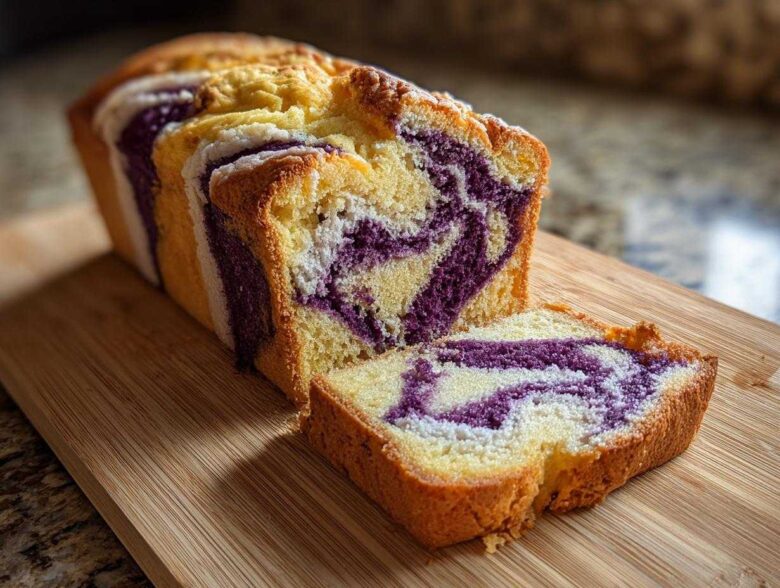
If you’re like me, you look at a plain white loaf of bread and just see a missed opportunity! Baking should be fun, and I live for combining flavors that feel both wildly unique and deeply comforting. That’s exactly what we achieved with this Ube Coconut Swirl Bread. Trust me when I say, the moment you see that vibrant purple ube layered against creamy white coconut inside a perfectly soft, tender crumb, you’ll understand the obsession.
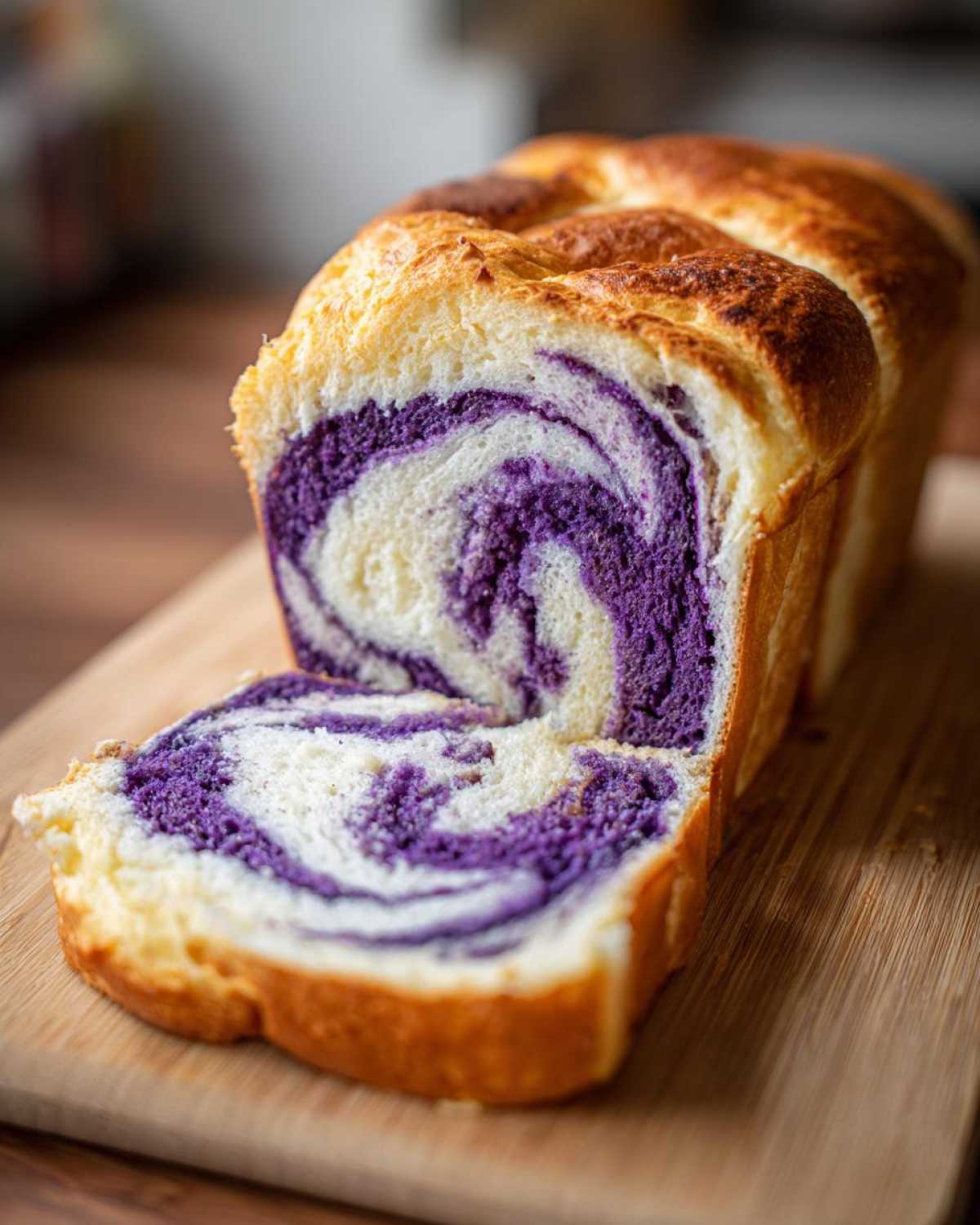
I first discovered the magic of ube paired with coconut years ago—it’s just pure tropical sunshine in baked form. But getting that soft, slightly sweet yeast dough right, while ensuring the colors stayed distinct and swirly? That took a few tries! I refined this recipe until the dough was perfectly pliable, yielding the most incredible Homemade Ube Coconut Bread you’ll ever try. It’s soft, it’s sweet, and it’s absolutely gorgeous on the counter.
If you’re ready to bake the Best Ube Coconut Bread on the block, stick with me! We’re going to nail this sweet swirl together. We can learn a ton from other fantastic recipes out there, like this wonderful guide for moist coconut cake, because the coconut element really deserves some attention!
Why This Ube Coconut Swirl Bread Recipe Works (EEAT)
So, why is this Ube Coconut Swirl Bread going to be your new favorite? It really comes down to mastering two things: texture and flavor. We’re making a super soft yeast dough, which means temperature control is everything. Making sure your yeast activates correctly—that foamy stuff means you’re safe!
Also, using room temperature eggs ensures a smoother, more uniform mix with the melted butter. That smooth base is what leads to that wonderful, pillowy crumb we’re after. The pairing of earthy, slightly vanilla-like ube with that sweet, tropical coconut flavor is just divine. Honestly, it’s a combination you can’t beat in any Sweet Ube Swirl Bread Baking!
If you want to see how other great batters come together smoothly, check out this guide for soft and chewy cookies; the principles of combining fats and liquids are similar!
Achieving the Perfect Soft Ube Coconut Bread Texture
The real secret to that fluffy, pull-apart crumb is all in the gluten development. You have to knead it! Don’t skimp on those 8 to 10 minutes of kneading time; that’s how you build the structure for that soft texture. When the dough feels elastic and smooth, you’ve done it right.
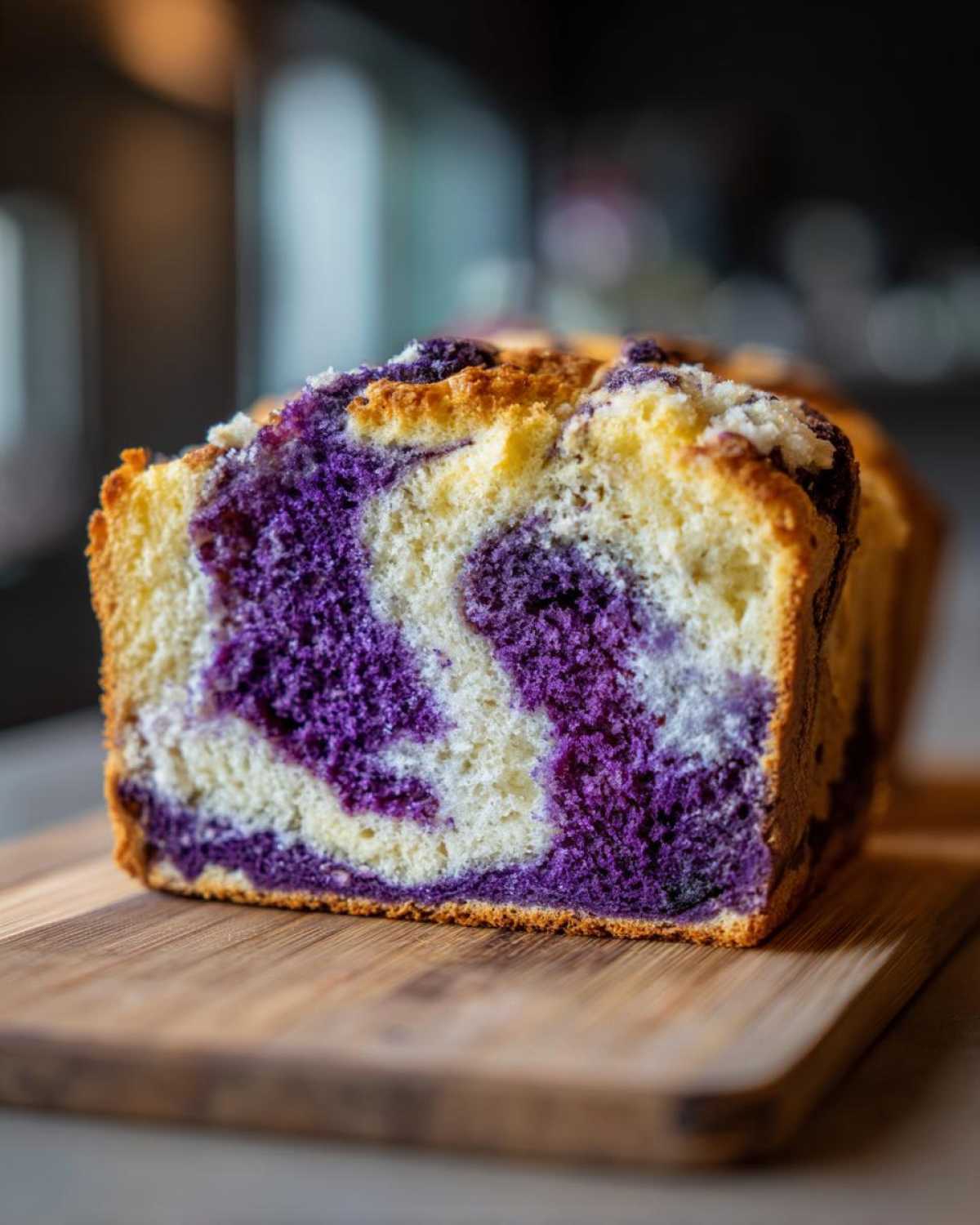
After kneading, the long first rise is crucial. Letting it double in size in a warm spot gives the yeast time to work its magic. This slow fermentation locks in the softness so that even when you roll it out for the swirl, the dough remains light rather than dense. You want that slight puffiness!
Gathering Ingredients for Your Ube Coconut Swirl Bread
Okay, gathering your ingredients is the crucial first step! If you’re looking to make this knockout Ube Coconut Bread Recipe, you need to be precise, especially with the temperature of your wet ingredients. I’ve broken down everything you need for both the soft bread dough and that vibrant, sweet filling.
For the dough, make absolutely certain your milk is warm—think bathwater temperature, around 105°F to 115°F. If it’s too hot, you’ll kill your yeast, and trust me, nobody wants a flat, sad swirl bread! Also, remember those eggs need to be at room temperature so they incorporate smoothly into the butter mixture.
Then we have the ube component, which is where the color comes from! You’ll need either ube extract or ube powder mixed with a tiny bit of water to give it body. Don’t forget the beautiful texture booster: shredded, unsweetened coconut.
If you’re trying to build moisture in other bakes, checking out my recipe for moist coconut cake can give you some great ideas on handling coconut flakes!
- 1 cup warm milk (105-115°F)
- 2 1/4 teaspoons active dry yeast
- 1/4 cup granulated sugar plus 1 teaspoon for yeast
- 2 large eggs, room temperature
- 1/4 cup unsalted butter, melted
- 3 cups all-purpose flour, plus more for dusting
- 1/2 teaspoon salt
- 1 teaspoon vanilla extract
- 2 tablespoons ube extract OR 1 tablespoon ube powder mixed with 1 tablespoon water
- 1/2 cup sweetened condensed milk
- 1/2 cup shredded unsweetened coconut
- 1 tablespoon melted butter for brushing (for the top)
Ingredient Notes and Substitutions for Ube Coconut Bread Recipe
Finding ube extract can be tricky depending on where you live, but honestly, it’s worth the hunt! If you can only find ube powder, make sure you dissolve it completely in the tablespoon of water *before* adding it to the condensed milk. That step prevents little dry pockets of yam powder in the finished loaf.
Now for the flour situation in this Purple Yam Coconut Swirl Loaf. I write this recipe using all-purpose flour because it gives a tender crumb. However, if you want a slightly chewier bread that stands up better to fillings—sort of like a soft brioche—you can swap out a quarter cup of the AP flour for bread flour. That little bit of extra protein makes a difference in the structure without making it tough. That’s a trick I learned from perfecting my Italian loaf!
Step-by-Step Instructions for Homemade Ube Coconut Bread
Now for the fun part! We’re taking that gorgeous dough and transforming it into our beautiful Ube Coconut Swirl Loaf. I always get a little nervous during the shaping stage, but if you follow these steps, you’ll get those stunning purple ribbons every time. It’s easier than you think, especially if you’ve ever made cinnamon rolls, like the process described in this amazing cinnamon roll guide!
First, you need to punch down that dough after its first rise. Gently turn it out onto a floured surface and get your rolling pin ready. Roll it into a neat rectangle, about 12 by 18 inches. Don’t stress too much about perfection here, but try to keep the thickness even across the whole sheet.
Making the Ube Coconut Filling for Swirl Bread
While your dough is resting, whip up the filling! This is so simple. Just grab a small bowl, dump in your sweetened condensed milk, your ube extract or dissolved powder, and the shredded coconut. Mix it up until everything looks like a brightly colored, creamy paste. That’s it! Set it aside; that’s the flavor jackpot right there.
Techniques for Rolling the Perfect Ube Coconut Swirl Loaf
Time to spread that gorgeous filling! Gently spread the ube mixture evenly across the dough rectangle. Here’s the key detail: make sure you leave about a one-inch strip totally bare along one of the long edges. This bare edge acts like glue when you seal it up later.
Start rolling tightly from the long edge *opposite* that bare strip. Roll it snugly, keeping the pressure even so the swirl stays tight. Once you reach the end, use that bare 1-inch strip to pinch the seam closed firmly. Make sure it’s sealed well! Then, carefully place your log seam-side down into your greased 9×5 loaf pan.
Proofing and Baking Your Sweet Ube Swirl Bread Baking
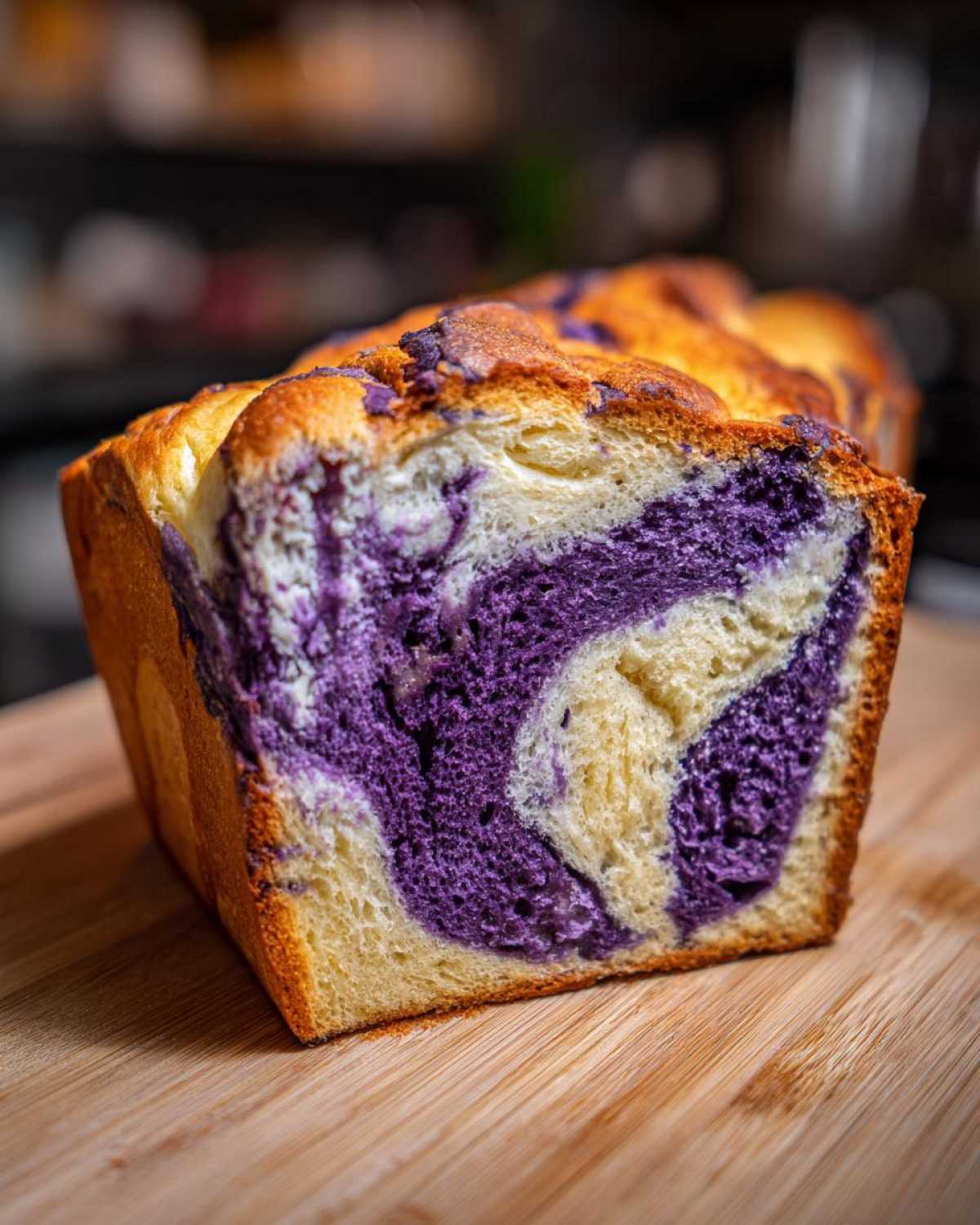
We need one last rest! Cover the loaf pan loosely and let it proof for another 30 to 45 minutes. It should look puffy and almost doubled again. During the last 15 minutes of this final proof, go ahead and preheat your oven to 350°F (175°C). Hot oven equals a great rise!
Bake it for about 30 to 35 minutes until it looks golden brown on top. When you pull it out, immediately brush the hot top with that last tablespoon of melted butter—that’s what gives it that gorgeous, glossy finish we all love on Filipino Ube Swirl Bread. Let it cool in the pan for just 10 minutes before moving it to a wire rack to finish cooling completely.
Tips for Success When Baking Ube Coconut Swirl Bread
Baking artisan-style bread like this Ube Coconut Swirl Bread is wonderfully rewarding, but there are a few little tricks that move you from ‘pretty good’ to ‘absolutely perfect.’ I’ve learned these the hard way over testing recipes for everything from this sweet loaf to my crusty Italian bread, so pay attention to these non-negotiables!
First, let’s talk yeast safety—I mentioned it before, but it bears repeating because it ruins so many bakes: your milk must be between 105°F and 115°F. If you don’t have a thermometer, test it on your wrist; it should feel pleasantly warm, not hot. If it burns, wait for it to cool down!
Second, managing stickiness during shaping is key for that nice swirl. If your dough feels really tacky when you roll it out for the filling, don’t panic and dump a cup of flour in! Instead, dust your surface and your rolling pin very lightly, maybe with a half-teaspoon of flour at a time. Too much flour right before baking will make the outer layer dry and tough.
Finally, when you’re rolling that log, don’t be stingy with pinching that seam closed. If the seam isn’t sealed well, the inner structure of the swirl can bubble up and burst open during the final proof or while baking. You want that seam tucked neatly underneath so the loaf holds its shape beautifully. A tight seam means a gorgeous, defined spiral when you slice it!
Storage and Reheating Instructions for Leftover Ube Coconut Bread
Okay, if you manage to have any of this unbelievable Ube Coconut Swirl Loaf left—which is impressive—keeping it soft is the mission. Yeast breads are notorious for drying out overnight, so you need a plan!
For storage, wrap the cooled bread tightly in plastic wrap first, then tuck that into an airtight container or a zip-top bag. This holds the moisture in. It should last wonderfully on the counter for about three days. If you need longer, freezing sliced bread works great.
When you’re ready to eat a slice later, don’t mess around with cold bread! A quick 10-second zap in the microwave brings back that fresh-from-the-oven cloud-like softness. For whole loaf reheating, wrap it lightly in foil and warm it in a 300°F oven for about 10 minutes. It brings back the aroma, too! For more bread care tips, I always reference this great guide on whole wheat bread because keeping bread fresh is a universal struggle!
Serving Suggestions for Your Purple Yam Coconut Swirl Loaf
Once this glorious Purple Yam Coconut Swirl Loaf is cooled, the real decision begins: how to eat it! Because this bread is already quite sweet and rich thanks to the condensed milk in the filling, you don’t need a ton of fuss.
My absolute favorite way is slicing it thick while it’s still slightly warm and enjoying it plain alongside a really strong cup of black coffee. The slight bitterness of the coffee cuts through the sweetness of the ube beautifully. If you love a coffee pairing, you should totally check out the technique in this sour cream coffee cake recipe—it gives you an idea of what a great pairing looks like!
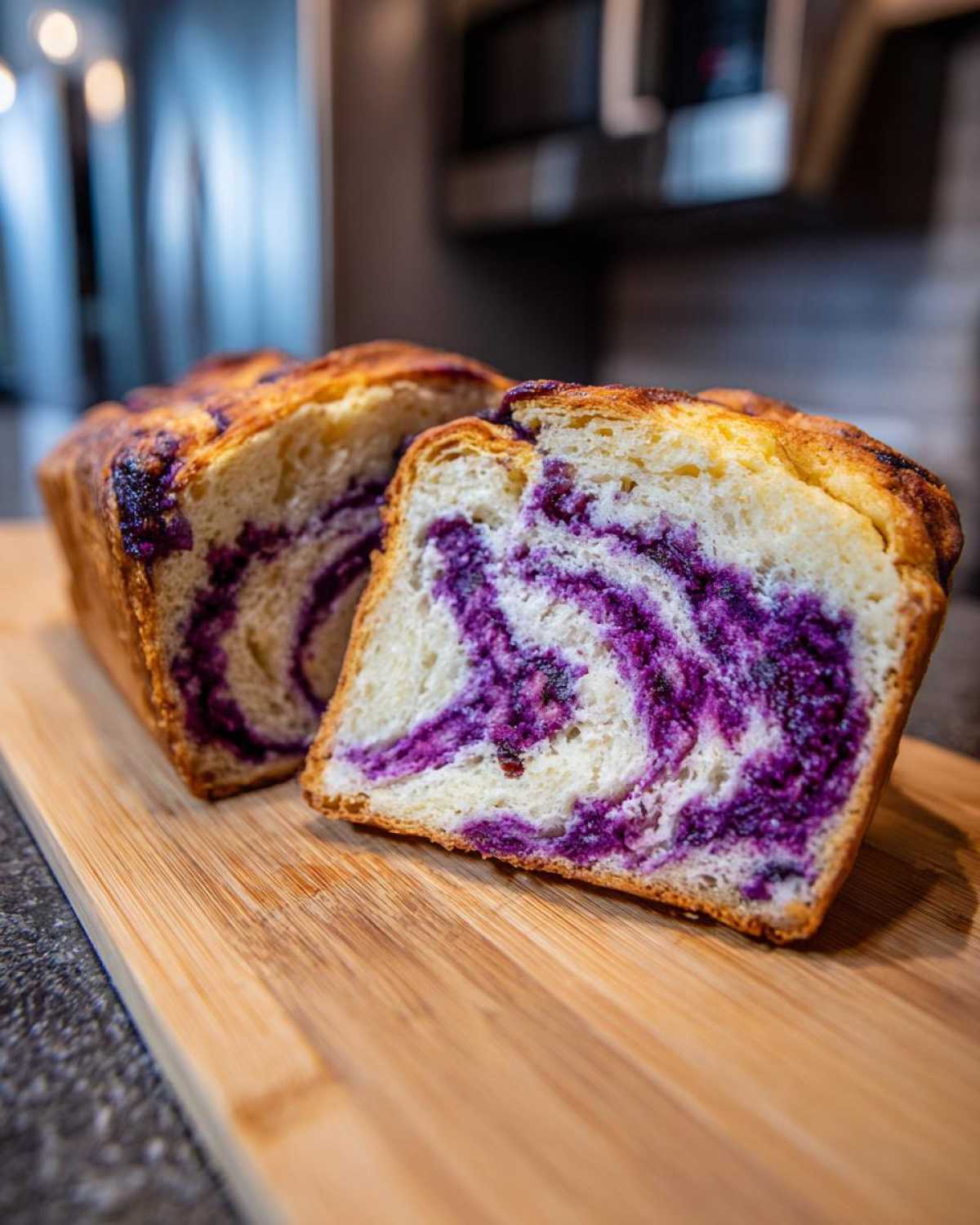
If you want to dress it up a bit more for company, I highly suggest a simple drizzle. Forget a thick, sugary glaze; we want to highlight the swirl, not hide it! Just whisk together a half cup of powdered sugar with a tablespoon of milk and a tiny splash of vanilla, and drizzle it lightly over the top right before serving. It looks elegant and adds just the right sparkle.
For a true Southeast Asian vibe, serve thick slices alongside a cup of hot black tea, maybe with a slice of fresh lime on the side. It’s a lighter accompaniment that really lets the tropical flavors of the coconut shine through the earthy ube. Honestly, though, eat it however you want—it’s perfect warm, cold, or toasted!
Frequently Asked Questions About Ube Coconut Bread Recipe
It’s normal to have questions when you’re diving into a new style of baking like this Ube Coconut Bread Recipe! I’ve gathered the most common things people ask me when they try to make this loaf for the first time. Don’t worry if you’re worried about the yeast or the color; we’ve got it covered!
If you need more help with flavor balancing in general, sometimes I look over guides on everything, even things totally unrelated like balancing zesty flavors, just to get my brain in the right spot. You can check out my thoughts on chicken marinade for surprising parallels on flavor layering!
Can I make this Ube Coconut Swirl Bread without yeast?
Oh, I totally understand wanting to skip yeast sometimes! But for this specific texture—that pillowy, soft, stretchy dream that defines a great Sweet Ube Swirl Bread Baking—yeast is really necessary. It creates the beautiful air pockets you see when you slice it. If you absolutely can’t use yeast, you’d have to pivot to a quick bread recipe, maybe mixing the ube and coconut into a standard muffin or scone batter, but it won’t have that lovely, risen loaf appearance or texture!
What is the flavor profile of this Asian Inspired Bread?
This is one of my favorite things to talk about! The flavor profile of this Asian Inspired Bread is this wonderful dance between earthy sweetness and tropical creaminess. Ube itself isn’t overwhelmingly sweet; it has this deep, almost vanilla-nutty flavor that gives everything that amazing purple color. The coconut and the sweetened condensed milk in the filling then come in with the sweetness and richness, making it perfectly balanced. It’s sweet enough for dessert, but comforting enough for breakfast!
How do I get a brighter purple color in my Homemade Ube Coconut Bread?
This is where ingredient choice really matters! If you use ube extract, the color is often milder, sort of a soft lavender. If you want that vibrant, electric purple you sometimes see online? You need to use pure ube powder instead of the extract. Just remember to dissolve the powder in that tablespoon of water first so you don’t add dry flour clumps to your filling. A concentrated powder gives you the most intense purple ribbon possible as you roll up your Purple Yam Coconut Swirl Loaf!
Is this bread very sweet?
It leans toward the sweeter side, yes, because we use sweetened condensed milk in the filling. However, because the dough itself is a standard, lightly sweetened yeast dough fortified with fat, it balances out that really sweet filling nicely. It’s sweeter than plain white bread, for sure, landing somewhere between a sweet dinner roll and a cinnamon roll. It’s definitely a treat, not an everyday sandwich bread!
Estimated Nutritional Data for Ube Coconut Swirl Bread
I always feel a tiny bit guilty looking at the nutrition panel for this rich, wonderful Ube Coconut Swirl Bread, but hey, it’s a treat, right? We put a lot of love (and butter and sugar!) into this loaf, so it’s good to know what you’re working with.
I’ve included the estimated breakdown below based on the ingredients I use in my kitchen. Seeing these numbers reminds me why this bread pairs so perfectly with a strong cup of coffee since it offers a nice energy boost!
- Serving Size: 1 slice
- Calories: 280
- Sugar: 18g
- Sodium: 150mg
- Fat: 10g
- Saturated Fat: 6g
- Unsaturated Fat: 4g
- Trans Fat: 0g
- Carbohydrates: 42g
- Fiber: 2g
- Protein: 7g
- Cholesterol: 45mg
Now, remember this is just my best guess! Since we are dealing with homemade yeast bread, your exact flour brand, the type of coconut milk you use, or even the amount of sweetened condensed milk that clings to the whisk can change these numbers slightly. It’s a good baseline to work from. If you want to see how other classic recipes stack up nutritionally, I often compare my notes to robust data sets, like what you might find discussed with a traditional bake like this moist carrot cake recipe!
Share Your Baked Ube Coconut Swirl Treat
Now it’s your turn! I’ve shared all my secrets for getting that perfect, soft crumb and vibrant swirl in your Ube Coconut Swirl Bread. Honestly, the very best part of sharing these recipes is seeing what you all create in your own kitchens!
When you bake this Homemade Ube Coconut Bread, please don’t be shy! Head back here, drop a rating, and tell me down in the comments how the rolling and swirling went for you. Did you stick to the extract or go for the powder? Which part of this tropical swirl was your favorite?
If you snap a photo of your finished loaf—especially if you got a great cross-section showing off that purple and white swirl—tag me on social media! I love seeing your beautiful bakes. If you had an issue or a creative substitution, drop that knowledge in the comments too so we can all learn together. Happy baking, and don’t forget to reach out if you need anything on this or any other recipe; you can always find my contact info right here!
PrintUbe Coconut Swirl Bread
A recipe for soft, sweet yeast bread featuring a vibrant purple yam (ube) filling swirled with coconut.
- Prep Time: 30 min
- Cook Time: 35 min
- Total Time: 2 hr 50 min
- Yield: 1 loaf
- Category: Dessert
- Method: Baking
- Cuisine: Filipino Fusion
- Diet: Vegetarian
Ingredients
- 1 cup warm milk (105-115°F)
- 2 1/4 teaspoons active dry yeast
- 1/4 cup granulated sugar plus 1 teaspoon for yeast
- 2 large eggs, room temperature
- 1/4 cup unsalted butter, melted
- 3 cups all-purpose flour, plus more for dusting
- 1/2 teaspoon salt
- 1 teaspoon vanilla extract
- 2 tablespoons ube extract or 1 tablespoon ube powder mixed with 1 tablespoon water
- 1/2 cup sweetened condensed milk
- 1/2 cup shredded unsweetened coconut
- 1 tablespoon melted butter for brushing
Instructions
- Activate the yeast: In a large bowl, combine the warm milk, 1 teaspoon of sugar, and the yeast. Let stand for 5 to 10 minutes until foamy.
- Add the remaining 1/4 cup sugar, eggs, melted butter, salt, and vanilla extract to the yeast mixture. Mix well.
- Gradually add the flour, mixing until a shaggy dough forms. Knead the dough on a lightly floured surface for 8 to 10 minutes until smooth and elastic.
- Place the dough in a lightly oiled bowl, turning to coat. Cover and let rise in a warm place for 1 to 1.5 hours, or until doubled in size.
- Prepare the filling: In a small bowl, mix the sweetened condensed milk, ube extract (or dissolved powder), and shredded coconut until combined.
- Punch down the risen dough. Turn it out onto a lightly floured surface and roll it into a large rectangle, about 12×18 inches.
- Spread the ube coconut filling evenly over the surface of the dough, leaving a 1-inch border on one long edge.
- Starting from the long edge opposite the border, tightly roll the dough into a log. Pinch the seam closed.
- Gently place the log, seam-side down, into a greased 9×5 inch loaf pan.
- Cover the pan loosely and let the dough proof for 30 to 45 minutes, or until it has nearly doubled again.
- Preheat your oven to 350°F (175°C) during the last 15 minutes of the second proof.
- Bake for 30 to 35 minutes, or until the top is golden brown and a skewer inserted comes out clean.
- Brush the top of the hot bread with 1 tablespoon of melted butter immediately after removing it from the oven.
- Cool in the pan for 10 minutes before turning it out onto a wire rack to cool completely.
Notes
- For a more intense purple color, use ube powder instead of extract.
- If you prefer a richer bread texture, substitute 1/4 cup of the all-purpose flour with bread flour.
- Ensure your milk is not too hot, or it will kill the yeast.
Nutrition
- Serving Size: 1 slice
- Calories: 280
- Sugar: 18
- Sodium: 150
- Fat: 10
- Saturated Fat: 6
- Unsaturated Fat: 4
- Trans Fat: 0
- Carbohydrates: 42
- Fiber: 2
- Protein: 7
- Cholesterol: 45