

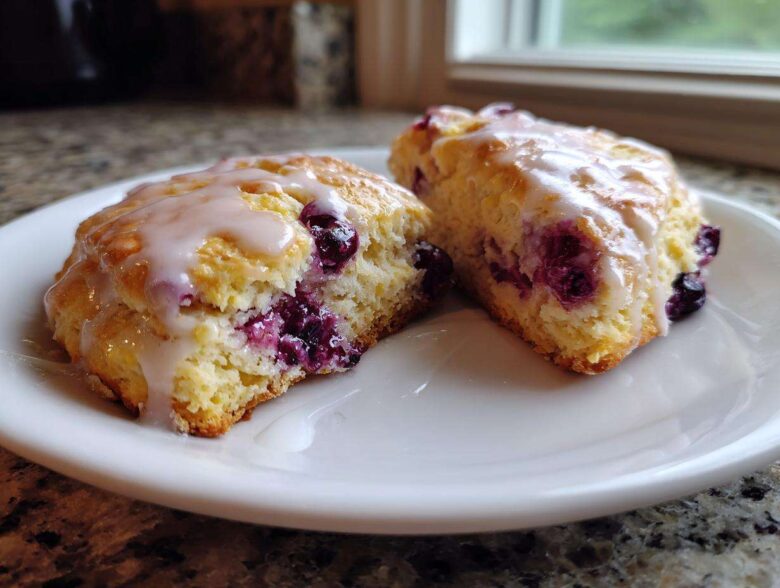
Oh my goodness, if you haven’t yet discovered the magic combination of tart lemon cutting through sweet, juicy blueberries, you are in for such a treat! Seriously, this pairing is heaven. I spent way too many years fighting with dry, hard scones until I finally figured out the secret handshake for that bakery-style tenderness. Forget those hockey puck pucks that are tough to chew! What I’m sharing today is my go-to recipe for truly **Classic Flaky Blueberry Lemon Scones with a Bright Lemon Glaze**. These are light, they practically crumble when you look at them right, and that lemon zest scent when they bake? Unbelievable. Trust me, mastering the texture on these homemade lemon blueberry scones is easier than you think!

We’re going to use simple techniques, but they make all the difference in getting that incredible flakiness. I’ve linked you over to my general scone guide if you want a deeper dive, but for now, just focus on keeping everything cold. Let’s get baking the best breakfast pastry ideas you’ve ever made!
If you love flaky goodness, you absolutely have to try this method.
Why You Will Make These Blueberry Lemon Scones Often
I’ve tried a million recipes over the years, and honestly, this one beats them all every single time. If you need a reason to jump into the kitchen right now, here are the main selling points for why these are about to become your go-to recipe. They hit every single mark!
- They are genuinely flaky while still being tender. We’re not talking dry scones here at all; we’re talking about layers!
- The lemon flavor is sharp and bright, not timid. That zest does heavy lifting, and the glaze finishes the job perfectly.
- They come together super fast! Seriously, from pantry to oven in under 20 minutes if you move quickly.
- They freeze beautifully, which means instant sweet breakfast baking whenever you need it. Pop them on a sheet pan and reheat!
- They feel fancy enough for a proper brunch, but they are easy enough for a Tuesday morning coffee.
- The combination of fresh blueberries bursting throughout the dough is just pure joy. It’s the perfect sweet and tart bite every time.
Essential Ingredients for Perfect Blueberry Lemon Scones
The secret to amazing homemade lemon blueberry scones honestly starts right here, with the ingredients. If you have these seven things on hand, you are already halfway to success! I’m not fussy about much, but when it comes to scones, temperature matters more than anything else. Every single cold item needs to stay glacial until the moment it hits the flour. Don’t skip the heavy cream, either; that’s what gives us that beautiful tenderness that other recipes just can’t achieve when they try to substitute.
We’ll break this down into the scones themselves and then the gorgeous topping that ties it all together. If you’ve ever wanted to master that bright lemon flavor, the zest is your best friend! I lay out everything you need below so you can grab what you need before preheating the oven.
For the Flaky Blueberry Lemon Scones
- 2 cups all-purpose flour
- 1/4 cup granulated sugar
- 1 tablespoon baking powder
- 1/2 teaspoon salt
- 1/2 cup (1 stick) cold unsalted butter, cut into small cubes
- 1 large egg
- 1/2 cup heavy cream, plus 1 tablespoon for brushing
- 1 teaspoon vanilla extract
- Zest of 1 large lemon (don’t skimp on this!)
- 1 tablespoon fresh lemon juice
- 3/4 cup fresh or frozen blueberries (frozen is fine, trust me!)
For the Bright Lemon Glaze
This glaze must wait until the scones are totally cool, or you’ll just get a puddle, not a beautiful drizzle. It’s super simple!
- 1 cup powdered sugar
- 2 tablespoons fresh lemon juice (you might need a touch more!)
Step-by-Step Instructions for Homemade Lemon Blueberry Scones
Okay, buckle up, because this is where the magic really happens! Making easy scones from scratch isn’t about complicated tools; it’s all about how you treat the ingredients, especially keeping that butter icy cold. Follow these steps exactly, and you’ll have the best blueberry lemon scones recipe on your hands. If you want more detailed methods on scone handling, check out the full scone tips page, but honestly, these instructions are all you need for success!
Preparing the Dry Mix and Cutting in Butter
First things first, gotta get that oven ready. Preheat your oven to 400°F (200°C) and line a baking sheet with parchment paper—this helps keep cleanup minimal, which is always a win in my book.
- In a big bowl, give your flour, sugar, baking powder, and salt a good whisk together. We want everything evenly distributed before we mess with the cold stuff.
- This is the critical part for flakiness: take your cubed, cold butter and cut it right into the dry mix. Use a pastry blender if you have one, or honestly, just use your fingertips—mine are usually already cold from the fridge anyway!
- You need to work fast! Keep rubbing that butter in until the whole mixture looks like coarse crumbs. You should still see some pea-sized bits of butter floating around. Those little frozen butter chunks are literally what turn into steam pockets and give us those beautiful flaky layers.
Combining Wet Ingredients and Folding in Blueberries
Now we introduce the moisture, but gently, gently! Overmixing at this stage is the biggest enemy of any scone maker.
- In a separate little bowl, whisk up your wet ingredients: the egg, the heavy cream, vanilla extract, all that beautiful lemon zest, and the tablespoon of lemon juice. Give it a good mix until it’s all unified.
- Pour this wet mixture right into the dry, pea-crumb mix. Use a fork or a spatula and mix it together just until the dough barely comes together. Stop when there are still a few dry spots showing. If you mix until it’s perfectly smooth, you’ve already developed too much gluten, and these scones will bake up tough, not light!
- Now, gently fold in those blueberries. Whether you use fresh or frozen, just fold them in slowly so they don’t mash up and bleed everywhere.
Shaping, Baking, and Glazing Your Blueberry Lemon Scones
We are almost there! Handle this dough like it’s precious lace—because flaky scones are precious!
- Turn the dough out onto a counter dusted lightly with flour. Gently pat the whole thing down until it’s about 3/4-inch thick. You can cut it into 8 pie-slice wedges, or punch out rounds with a cookie cutter if you prefer that look.
- Arrange your {homemade lemon blueberry scones} on that parchment-lined baking sheet with a little space between them.
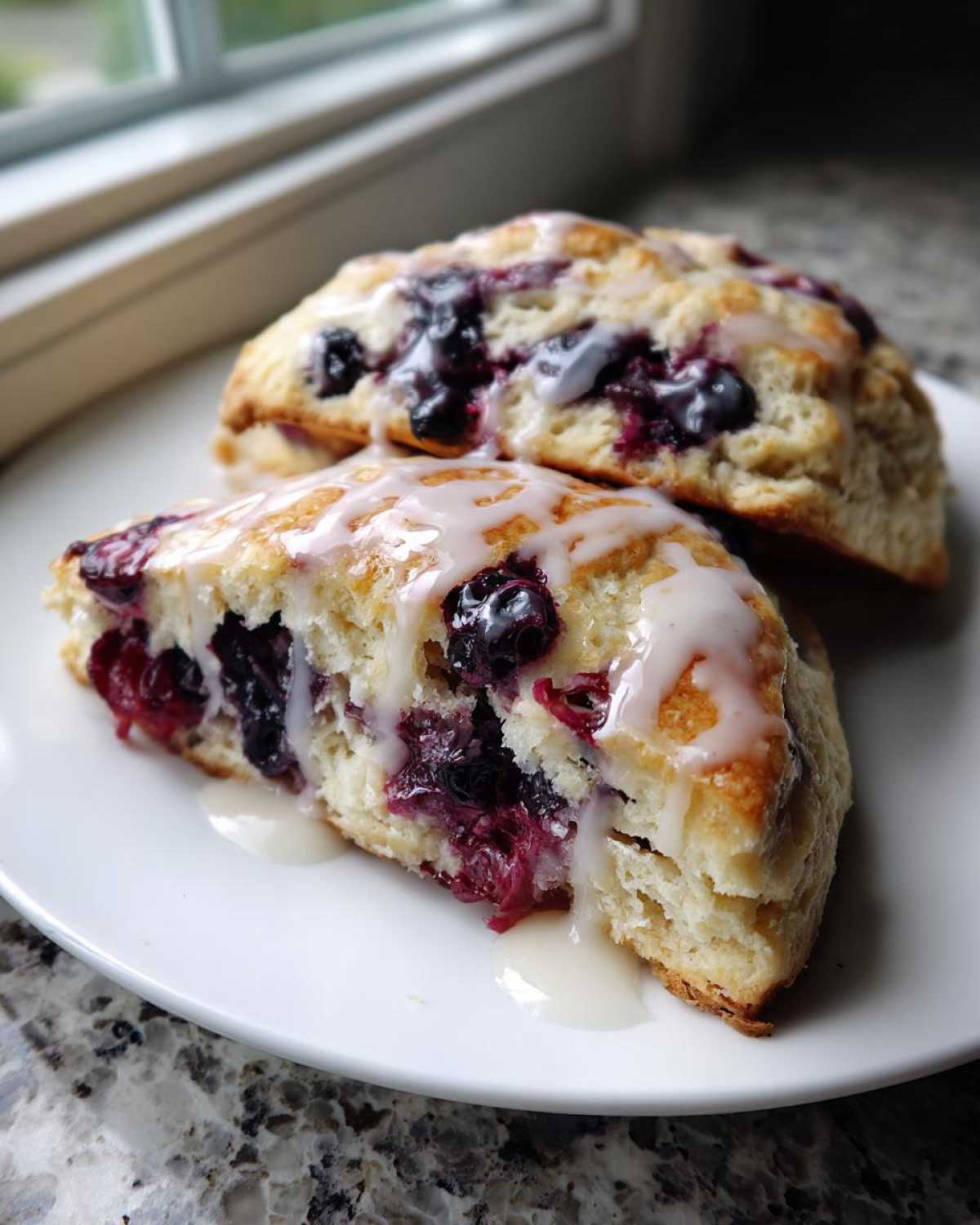
- Brush the tops (and only the tops!) lightly with that leftover tablespoon of heavy cream you saved. This helps them brown up nicely.
- Bake them for about 15 to 18 minutes. You’re looking for them to be golden on top.
- Pull them out and let them cool *completely* on a wire rack. Seriously, wait until they are just warm or cool—if you glaze warm scones, you get soup, not a glaze!
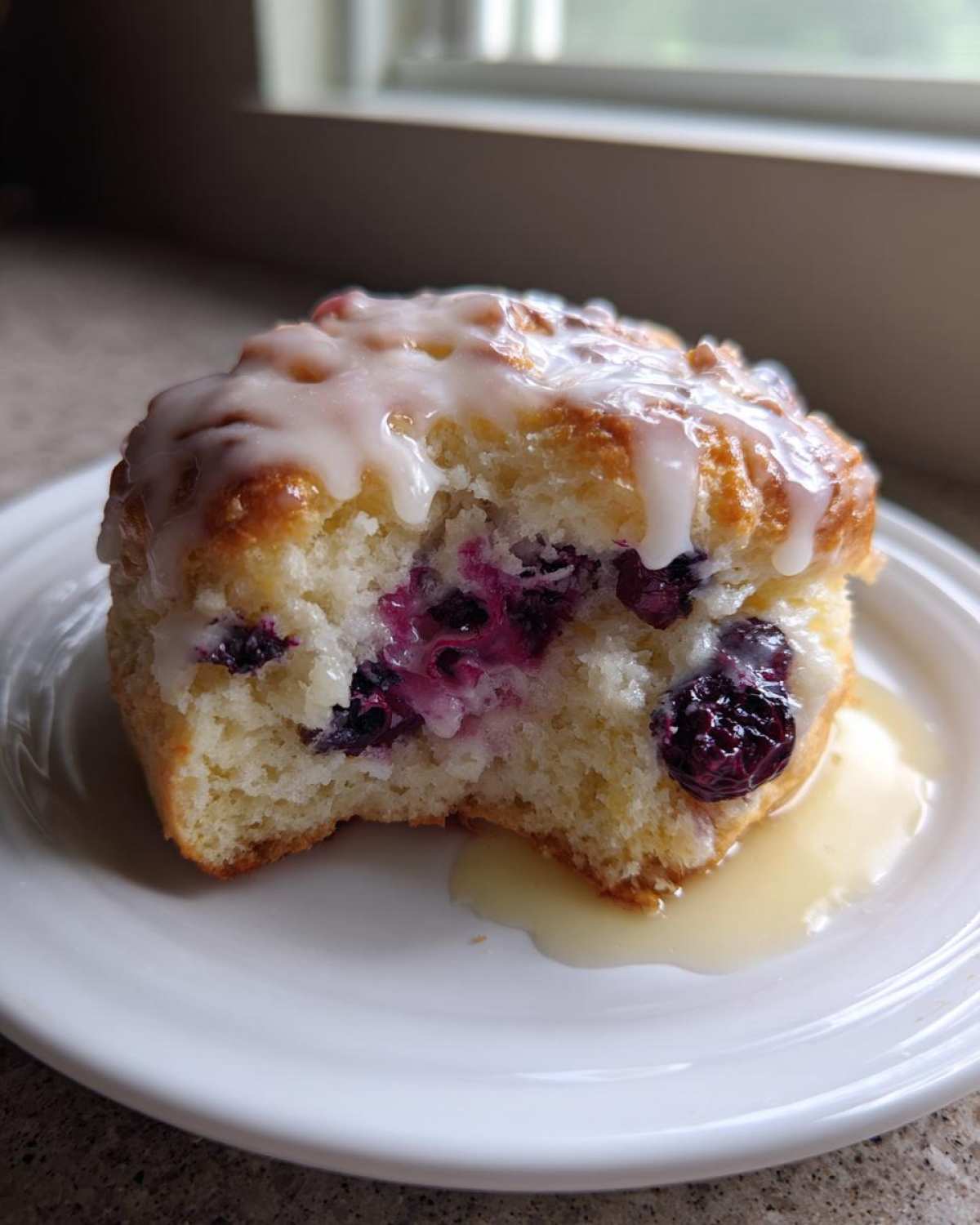
- Once cooled, whisk together your powdered sugar and the two lingering tablespoons of lemon juice until you have a smooth, pourable mixture. Drizzle liberally!
Expert Scone Baking Tips and Tricks for Perfect Blueberry Lemon Scones
Look, anyone can follow instructions, but making truly magnificent blueberry lemon scones that taste like they came from a high-end tea shop? That takes a few trade secrets! I learned these tricks from bakers who refused to share their recipes but accidentally let my sharp ears pick up key bits of advice. Getting that ultra-flaky texture is all about managing moisture and temperature, which is what separates a decent scone from an absolutely show-stopping one.
Here are the few things I always do now that I know better, especially when aiming for those perfect lemon zest scones instructions that bloggers always rave about:
- Never, ever skip the cold factor. If your butter softens even a little bit while you’re mixing, just pop the whole bowl (flour and all!) into the freezer for five minutes. Seriously. Cold butter equals steam, steam equals layers. It’s non-negotiable for flaky texture!
- If you’re worried about dry scones, make sure your *baking powder* is fresh. If your leavening agent is old, your scones won’t rise right, and you end up with dense little rocks instead of light pastries. I always check the date on mine before I start any sweet breakfast baking endeavor.
- For the brightest flavor payoff, throw your lemon zest into the sugar first before you mix it with the flour. Take your spoon, mash the zest into the sugar crystals, and rub it around for about 30 seconds. The friction releases the essential lemon oils immediately, making the flavor ten times punchier!
- If you’ve got buttermilk sitting around instead of heavy cream—and I know some of you use it for flaky buttermilk scones—that’s great! Buttermilk adds a welcome tanginess, but you might need just a tiny splash less, because it’s usually thinner than cold heavy cream. Stick with the cream for ultimate richness, though!
If you want even more in-depth guidance on temperature control and handling delicate doughs, be sure to check out my ultimate scone baking tips and tricks collection. It saved my baking life!
Ingredient Notes and Substitutions for Your Blueberry Lemon Scones
Part of making this recipe your own is knowing what you can swap out when your pantry is a little bare, right? Because sometimes you just HAVE to have these pastries, and you can’t run to the store for one ingredient. I’ve had a lot of questions over the years about substitutions, especially when making something as specific as these lemon berry pastries. Luckily, these scones are pretty forgiving, but a few ingredients are non-negotiable if you want that light, flaky texture!
Let’s get your questions answered about blueberries, cream, and that all-important lemon zing. If you’re looking for other ways to use up fruit, my blueberry banana bread is another must-try!
The Blueberry Question: Fresh vs. Frozen
This is the most common question I get about any fresh blueberry baking recipe! And here’s the good news: you can absolutely use frozen blueberries. The only rule? Do NOT thaw them first! If you try to thaw them, they get mushy and release color and liquid right into your dough, turning everything patchy purple and wet. Toss them straight from the freezer into the wet dough, and they steam beautifully in the oven while holding their shape perfectly during baking.
Handling the Cream Requirement
I demand heavy cream in this recipe because its high fat content helps create a richer, more tender crumb. It plays really nicely with the cold butter to form those flaky pockets we talked about. So, what if you only have regular milk or half-and-half? You can use those, but the texture will lean slightly more towards the ‘cakey’ side rather than the ‘flaky’ side. If you have absolutely no cream, you can try using whole milk, but you may need to add an extra teaspoon of melted butter to the wet mixture to compensate for the fat difference.
Can I Skip the Lemon Zest? (Spoiler: No!)
If you want the *bright* flavor that defines these blueberry lemon scones, you cannot skip the zest. The zest holds all the essential lemon oil—the intense flavor. The juice is mostly acid and wetness. If you only use lemon juice, you’ll end up with a slightly sour scone that tastes flat. If you are short on lemons, use the juice of one lemon but try to use the zest of at least one whole lemon. If you find yourself with tons of extra zest, try using it in sugar for making sweet maple cookies later!
Buttermilk Mention
Since the main recipe calls for heavy cream, mentioning buttermilk might seem odd, but I know some of you keep it on hand for pancakes or biscuits. If you swap the heavy cream for buttermilk, your scones will be a bit more tangy, which, honestly, complements the lemon nicely! Just remember what I said before about thickness—buttermilk is thinner, so your dough might look a bit shaggier when you turn it out onto the counter. It still works great for these brunch scone variations, though!
Storage and Reheating Instructions for Blueberry Lemon Scones
Look, I know how it is—you bake a perfect batch of these, and now you have to try not to eat them all in one sitting! If you are lucky enough to have leftovers of these amazing blueberry lemon scones, storing them is easy. Keep them right on the counter, but make sure they are in a good air-tight container. Don’t freeze them with the glaze on, though; the cold makes the glaze seep funny lines into the drizzle. Store them unglazed if you can!
If you need to revive them later for a quick morning snack, just pop an unglazed scone in the oven—not the microwave!—at about 300°F for about five minutes. That little blast of dry heat re-crisps the edges perfectly, making them taste just like they came out of the oven. If you want more baking tips for things like my famous blueberry banana bread, I’ve got you covered!
Serving Suggestions for Homemade Lemon Blueberry Scones
Now that you have mastered the art of making these stunning homemade lemon blueberry scones, the next important decision is how to serve them! These pastries are so versatile; they truly shine whether you serve them early in the morning or as a delightful afternoon treat. I usually prefer them slightly warm alongside my morning coffee, but they are a required staple whenever we have friends over for brunch. No matter when you serve them, they truly elevate the table.
If you are looking for some breakfast pastry ideas that feel a little more special than toast, these are it. They’re sturdy enough to handle toppings but perfect all on their own, too!
The Ultimate Afternoon Tea Spread
If you are channeling perfect afternoon tea scones vibes, you absolutely need to serve these with simple accompaniments. Because our scones already have that bright lemon glaze, you don’t want to drown them in butter and jam. Instead, try a little dollop of clotted cream—it’s rich enough to balance the tartness beautifully. A very light layer of high-quality lemon curd on the side is also divine if you want an extra zing!
For the beverage pairing, skip heavy black tea. I recommend a delicate Earl Grey, or even better, a light green tea or herbal infusion like chamomile. The floral notes pair so nicely with the blueberry and lemon.
Elevating Your Brunch Buffet
When I bring these out for a weekend brunch spread, people always go crazy for them, and honestly, they are the easiest thing on the table! They look fantastic next to savory items, acting as the perfect sweet counterpoint. Try placing them on a tiered platter alongside mini quiches or small ham biscuits. They look great next to fruit salads!
A little trick I use when I’m making lemon berry pastries for a crowd: I always serve some plain, unglazed scones too, which is great for people who don’t like overly sweet toppings. Then, I put the lemon glaze I made in a little jar with a drizzle spoon so folks can add as much glaze as they want instead of having it pre-applied.
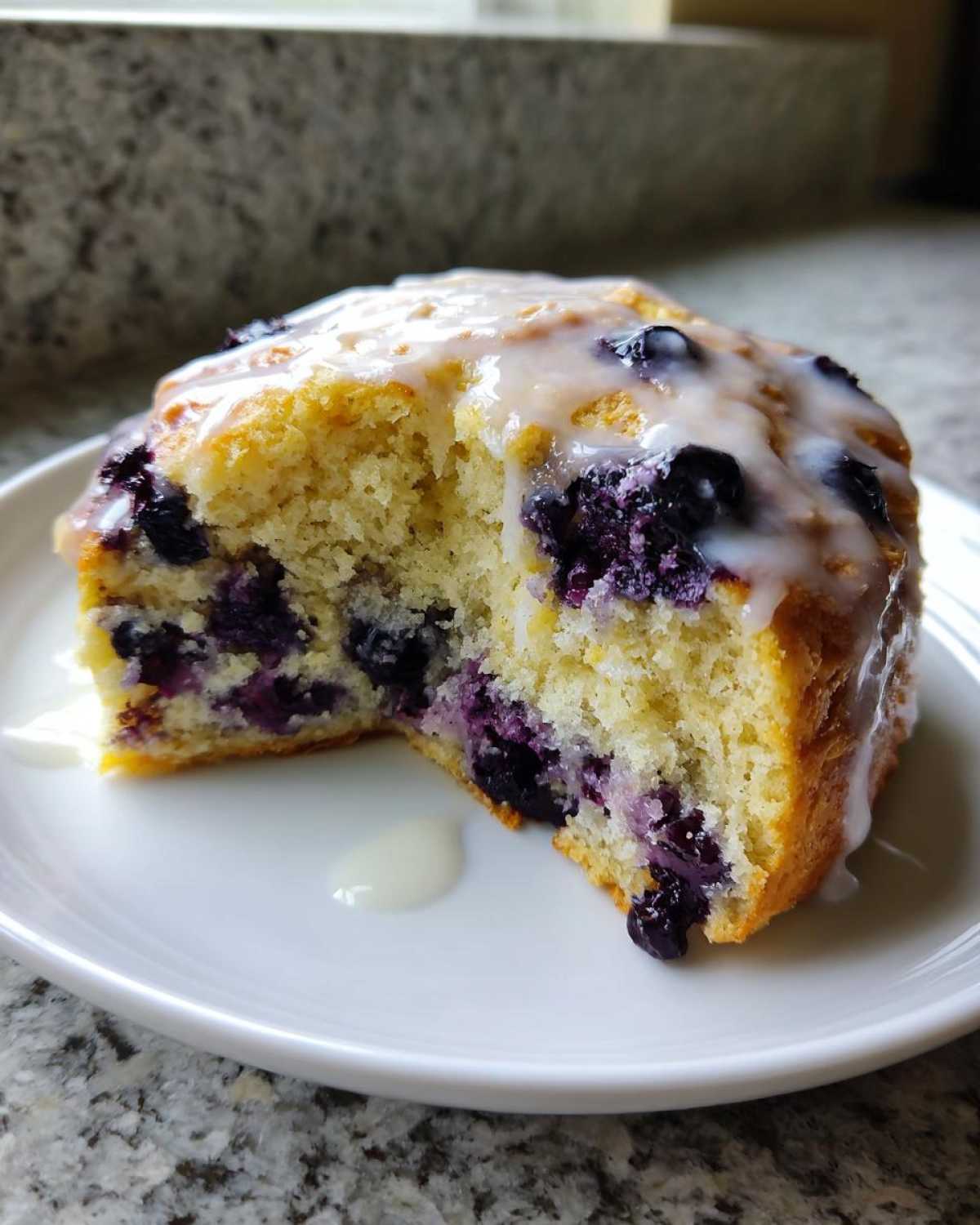
Honestly, half the fun is just admiring that gorgeous golden color before you take that first sweet, crumbly bite. If you’re looking for another easy-to-make sweet treat for brunch, you should absolutely check out how I make my soft maple cookies!
Frequently Asked Questions About Blueberry Lemon Scones
This is where we wrap up and answer all those little nagging questions that pop up when baking something truly special like these blueberry lemon scones. Don’t worry if you ran into a little trouble the first time you tried them; that’s why I put this FAQ together! Getting the right texture can be tricky, but once you know the tricks, you won’t have any issues making these easy scones from scratch again and again.
Why did my scones turn out tough and dense instead of flaky?
Oh, I absolutely know this pain! This usually happens for one of two very common reasons, and both deal with heat. First, you might have overmixed the dough after adding the cream. Stop mixing the second it all comes together and looks shaggy—seriously! Second, and this is more common, your butter wasn’t cold enough. If the butter melts into the flour instead of staying in chunks when it hits that hot oven, you get a solid lump instead of a flaky release of steam. Remember, cold butter is the key to that lovely, layered look you see in bakery treats!
Can I really use milk instead of heavy cream for these pastries?
You can, but you should know what you’re trading off! Heavy cream has a high-fat content, which contributes to wonderfully tender and rich scones. If you substitute it with regular milk (even whole milk), your blueberry lemon scones will be a bit lighter in texture—more cakey rather than buttery and rich. If that’s what you prefer, go for it! Just be careful when mixing, as milk is thinner and might make your dough slightly stickier than the recipe intends for the heavy cream version.
How do I make the lemon glaze super thick, like the picture?
If your glaze looks a bit watery, you just need patience and a little more sugar! The secret to a thick, opaque glaze is a high ratio of powdered sugar to liquid. Once you mix the initial two tablespoons of lemon juice, if it seems thin, immediately start adding powdered sugar one tablespoon at a time. Whisk it well between additions. It thickens up fast! If you want it really firm, let the scones cool completely before you even think about glazing them! For more details on customizing your drizzle, check over my tips for the perfect lemon zest scones.
Is it better to use fresh or frozen blueberries?
For these lemon berry pastries, I have a huge preference for fresh blueberries, but frozen works just fine if you follow my one crucial rule: do not thaw them! If you let frozen berries sit out, they bleed bright blue juice all over your beautiful pale dough, which looks messy. Toss them stone-cold right into the mixture at the end, and they bake up perfectly intact. Either way, the flavor payoff is huge!
Estimated Nutritional Information for Blueberry Lemon Scones
I know some of you are tracking macros or just curious about what’s in these wonderful treats! While these numbers are just my best estimate—and remember, the nutrition can change based on the exact brand of butter or sugar you use—it gives you a good baseline for enjoying them guilt-free (or guilt-a-little-less-free!). These estimates are based on making 8 servings, which is what this batch yields.
Here’s a quick look at the breakdown per single scone. Since these are a pastry, sugar and fat are naturally higher, but we keep the protein up thanks to the egg and cream!
- Serving Size: 1 scone
- Calories: 310
- Fat: 15g (with 9g saturated fat—that’s the butter working hard!)
- Carbohydrates: 40g
- Sugar: 18g
- Protein: 5g
Don’t forget to look at my best blueberry muffins if you’re looking for something slightly lighter next time you bake!
Estimated Nutritional Information for Blueberry Lemon Scones
I know some of you are tracking macros or just curious about what’s in these wonderful treats! While these numbers are just my best estimate—and remember, the nutrition can change based on the exact brand of butter or sugar you use—it gives you a good baseline for enjoying them guilt-free (or guilt-a-little-less-free!). These estimates are based on making 8 servings, which is what this batch yields.
Here’s a quick look at the breakdown per single scone. Since these are a pastry, sugar and fat are naturally higher, but we keep the protein up thanks to the egg and cream!
- Serving Size: 1 scone
- Calories: 310
- Fat: 15g (with 9g saturated fat—that’s the butter working hard!)
- Carbohydrates: 40g
- Sugar: 18g
- Protein: 5g
Don’t forget to look at my best blueberry muffins if you’re looking for something slightly lighter next time you bake!
PrintClassic Flaky Blueberry Lemon Scones with Bright Lemon Glaze

Follow these steps to make tender, flaky scones bursting with fresh blueberries and bright lemon flavor, topped with a simple lemon glaze.
- Prep Time: 20 min
- Cook Time: 18 min
- Total Time: 38 min
- Yield: 8 servings
- Category: Breakfast
- Method: Baking
- Cuisine: American
- Diet: Vegetarian
Ingredients
- 2 cups all-purpose flour
- 1/4 cup granulated sugar
- 1 tablespoon baking powder
- 1/2 teaspoon salt
- 1/2 cup (1 stick) cold unsalted butter, cut into small cubes
- 1 large egg
- 1/2 cup heavy cream, plus 1 tablespoon for brushing
- 1 teaspoon vanilla extract
- Zest of 1 large lemon
- 1 tablespoon fresh lemon juice
- 3/4 cup fresh or frozen blueberries
- For the Glaze: 1 cup powdered sugar
- For the Glaze: 2 tablespoons fresh lemon juice
Instructions
- Preheat your oven to 400°F (200°C). Line a baking sheet with parchment paper.
- In a large bowl, whisk together the flour, granulated sugar, baking powder, and salt.
- Cut the cold butter into the dry ingredients using a pastry blender or your fingertips until the mixture resembles coarse crumbs with some pea-sized pieces of butter remaining.
- In a small bowl, whisk together the egg, 1/2 cup heavy cream, vanilla extract, lemon zest, and 1 tablespoon of lemon juice.
- Pour the wet ingredients into the dry ingredients. Mix gently with a fork until just combined. Do not overmix.
- Gently fold in the blueberries.
- Turn the dough out onto a lightly floured surface. Gently pat the dough into a 3/4-inch thick circle or rectangle.
- Cut the dough into 8 wedges or use a round cutter to make individual scones. Place them on the prepared baking sheet.
- Brush the tops lightly with the remaining 1 tablespoon of heavy cream.
- Bake for 15 to 18 minutes, or until the tops are lightly golden brown. Let the scones cool completely on a wire rack.
- To make the glaze, whisk together the powdered sugar and 2 tablespoons of lemon juice until smooth. Add more lemon juice, a few drops at a time, if the glaze is too thick.
- Drizzle the glaze over the cooled scones before serving.
Notes
- For the flakiest scones, keep your butter as cold as possible throughout the mixing process.
- If you use frozen blueberries, do not thaw them before adding them to the dough.
- If you prefer a stronger lemon flavor, add 1 teaspoon of lemon extract to the wet ingredients.
Nutrition
- Serving Size: 1 scone
- Calories: 310
- Sugar: 18
- Sodium: 220
- Fat: 15
- Saturated Fat: 9
- Unsaturated Fat: 6
- Trans Fat: 0
- Carbohydrates: 40
- Fiber: 2
- Protein: 5
- Cholesterol: 65