

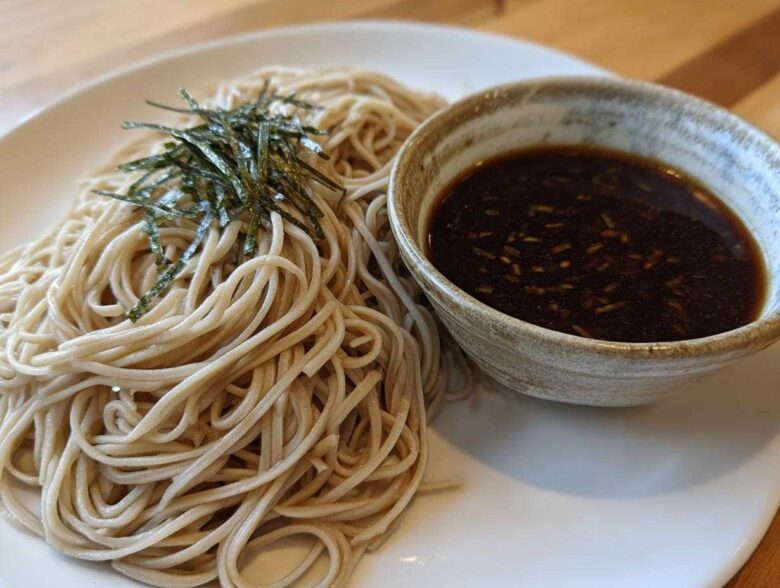
When the summer heat just won’t quit, I need a meal that actually feels refreshing, not just cold. Forget heavy pasta; for me, that means pulling out the buckwheat—sourcing the very best Cold Soba with Dipping Sauce. I remember the first few times I tried making this at home; end up with a sticky, gummy mess that stuck together like one big clump. Seriously, it was embarrassing! But I cracked the code, and trust me, the secret isn’t just in the sauce, it’s all about how you treat those delicate noodles when they come out of the boiling water. Once you nail this quick prep guide, you’ll have the most perfect, satisfying chilled soba ready in minutes. For more great cooking inspiration, just check out what’s new on my main recipe index!
Why This Cold Soba with Dipping Sauce Recipe Works (Quick & Refreshing)
When you need a healthy cold noodle dinner in a pinch, this recipe is my go-to answer. It’s not just quick; it delivers that incredible, slightly resistant chewiness that true Japanese cold soba requires. I promise, you won’t deal with any gummy noodles here—not if you follow the rinsing steps!
- It’s incredibly fast! Seriously, less than 20 minutes from start to finish for a healthy cold noodle dinner.
- The texture is the star: perfectly chilled, firm, and never sticky when handled correctly.
- The accompanying tsuyu sauce is authentic and packs so much umami flavor.
- It’s the ultimate refreshing Japanese summer dish, perfect for a light lunch.
Get ready for the best Cold Soba with Dipping Sauce you’ve ever made outside of a restaurant. If you’re stocking up on ideas for light midday meals, see what else I’m making in the lunch category!
Recipe Snapshot: Prep, Cook, and Yield
This recipe is built for speed, which I love:
- Prep Time: 10 min
- Cook Time: 6 min
- Total Time: 16 min
- Yield: 2 servings
Gathering Ingredients for Cold Soba with Dipping Sauce
Before we start cooking, we need our arsenal ready! Since this is such a simple dish, those few ingredients have to be perfect. We’re keeping the focus tight here so we can get to the eating part faster. You’ll need things for the noodles themselves, the dipping sauce—which is the heart of any Cold Soba with Dipping Sauce experience—and of course, those mandatory bits for garnish!
- For the Noodles: 8 ounces dried soba noodles and plenty of cold water or ice for the bath.
- For the Tsuyu Dipping Sauce: 1 cup mentsuyu concentrate, OR if you are making it the long, lovely way: 1/2 cup soy sauce, 1/2 cup mirin, 1/4 cup sugar, and 1/4 cup dashi stock, plus 1/2 cup water (though you might adjust this depending on your concentrate).
- Garnishes (Don’t Skip These!): 2 scallions, thinly sliced, about 1/4 cup of grated daikon radish, and 1 sheet of nori seaweed cut into thin matchsticks. And just a tiny smear of wasabi paste on the side, please!
Soba Noodle Selection Note
When you buy soba, try to find one that clearly lists buckwheat flour in the ingredients! If it’s mostly wheat, it won’t have that beautiful nutty flavor we’re after. I usually grab an 8-ounce package because that’s perfect for two hungry people who want a light, yet satisfying lunch. Don’t try substituting; the buckwheat starch is what gives us the texture we need after the ice bath!
Making the Authentic Soba Dipping Sauce (Tsuyu)
If you’re using a quality mentsuyu concentrate, just read the back of the bottle—it usually tells you exactly how much water to add. But if you want that true, deep flavor that makes this Homemade Soba Sauce Recipe sing, go for the scratch version! Seriously, when heating the soy sauce, mirin, sugar, and dashi, make sure that sugar is totally dissolved before you even think about chilling it. Melted sugar is happy sugar; undissolved sugar is gritty sauce, and we simply won’t stand for that!
How to Prepare Perfect Cold Soba with Dipping Sauce
Okay, this is where magic happens! The process for making amazing Cold Soba with Dipping Sauce is actually more about timing and temperature than complicated cooking. If you’re looking for the Best Way to Cook and Rinse Soba to keep it from clinging together, listen closely. The difference between a good bowl and a fantastic one is often just a few seconds!
Cooking and Immediate Rinsing of Soba Noodles
First things first: get a big pot of water boiling—a generous amount! We want those soba noodles to swim freely; don’t cram them in there. Cook them exactly according to the package directions, usually about 4 to 6 minutes. The second they are done, you drain them immediately! Seriously, do not wait even a second. If they sit there steaming, they keep cooking and turn mushy. Once they are in the colander, you switch gears completely.
Now, we rinse, rinse, rinse! Run cold water directly over those noodles while tossing them gently with your hands. You’re trying to scrub off that starchy film on the outside. Keep rinsing until the water running off them runs completely clear and you can feel the noodles firming up. This stops the cooking process instantly and removes the goo factor. If you skip this, you’re getting sticky disappointment!
Chilling the Noodles for the Best Texture
After the initial cold rinse, we want them super cold and chewy. If you have an ice bath ready—that’s a bowl full of ice and cold water—plunge those rinsed noodles in for just about 30 seconds. This final shock is what locks in that wonderful bite (that Italian say ‘al dente,’ but for noodles!). I usually leave mine in the ice bath until I’m ready to serve, maybe 5 minutes max, just so they are frosty cold. Drain them really, really well after this step—you don’t want icy puddles in your bowl.
Assembling the Cold Soba with Dipping Sauce
Once your noodles are perfectly chilled, divide them up into your serving plates or bowls. They look so beautifully rustic when they’re bundled up cold! 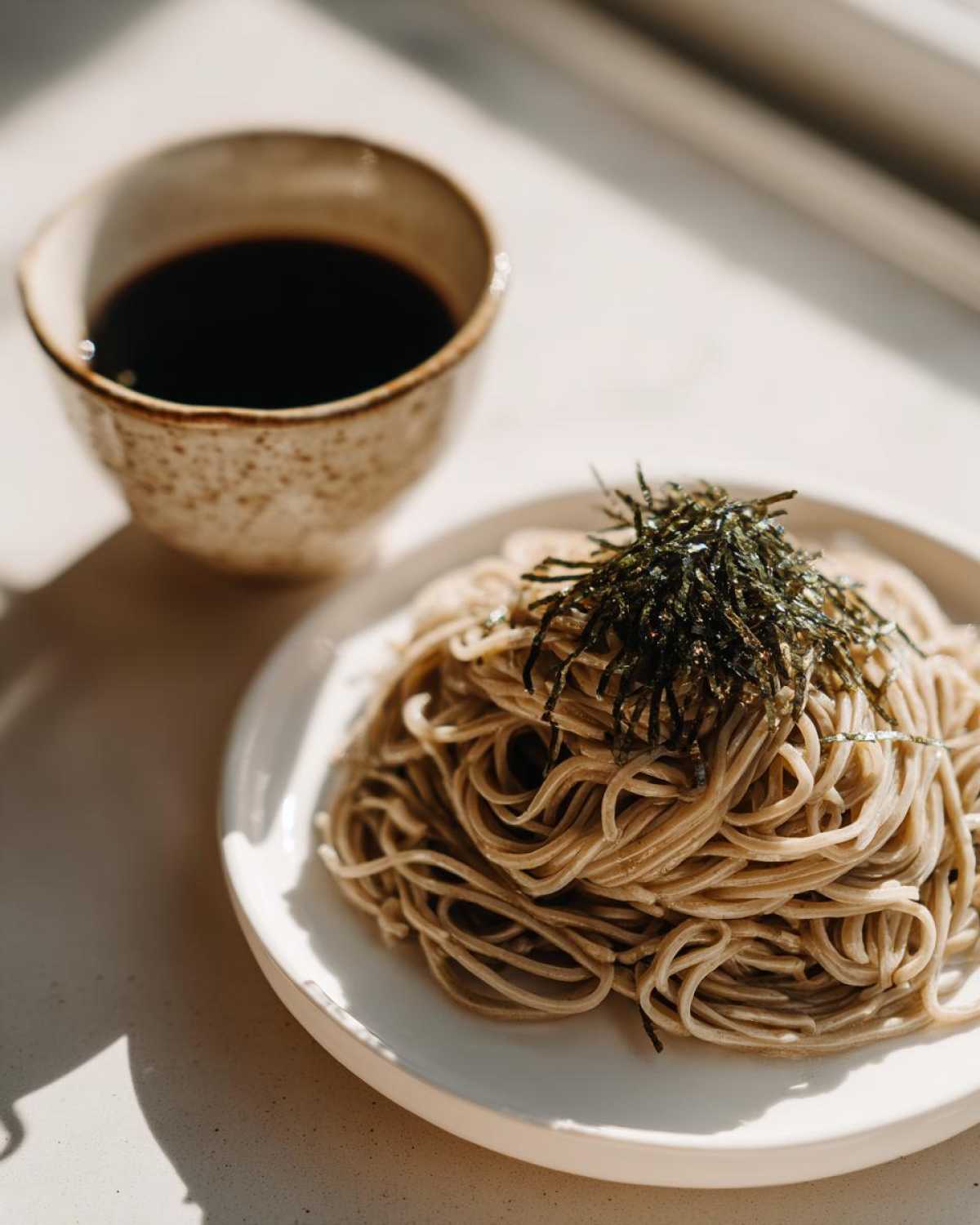 Now, for the crucial part of the Cold Soba with Dipping Sauce presentation: the sauce goes into its own little dish. You dip the noodles into the tsuyu, taking just enough for the bite you are eating. Don’t ever pour the sauce over the top like you would with spaghetti sauce!
You can check out my favorite recipe for a quick peanut sauce if you ever need a break from Asian cooking, but for this, the traditional chilled tsuyu is the best match. Serve everything immediately once assembled!
Expert Tips for Success with Cold Soba with Dipping Sauce
Now that you’ve mastered the cooking and rinsing, let’s talk about tweaking things a little, because I feel like every home cook should be able to customize their favorite meals. The beauty of this dish is that you have total control over the depth of flavor in your tsuyu. It’s so easy and makes all the difference when eating your Cold Soba with Dipping Sauce!
Honestly, the sauce is so simple, but people get nervous about getting the saltiness just right. Don’t be! It’s forgiving, I promise. You just need to pay attention to those base ingredients, especially the dashi, which brings that lovely savory background note.
Adjusting the Tsuyu Flavor Profile
If you are using the concentrate (mentsuyu), you already have a pre-balanced blend of soy, mirin, and dashi. If it tastes a little too salty or intense for your liking, just stir in an extra splash of plain water—that’s the easiest fix! On the flip side, if you want a really robust, flavorful dipping sauce that really coats the noodles, go easy on the added water or even skip it entirely if your concentrate already seems thin.
If you made the sauce scratch using soy sauce, go easy on that soy sauce measurement next time if it comes out too sharp. You can always thin it with more dashi stock if you want to lighten it up without washing out the savory notes. Remember, you can whip up a big batch of tsuyu and keep it in the fridge—my little batch lasts me forever, and I love having it ready! For more little tricks and tips like this, always check back here on the blog!
Serving Suggestions for Chilled Soba Noodles with Tsuyu
Okay, the noodles are cold, the sauce is chilled, now we make it pretty! Serving this dish isn’t just about dumping it on a plate; the garnishes are crucial for balancing the flavor profile. These additions are part of the fun of the meal, letting you customize every single bite. We rely heavily on those fresh components to cut through the savory depth of the tsuyu.
The thinly sliced scallions provide a wonderful, sharp crunch as you slurp the noodles. And don’t be shy with the grated daikon radish! That radish brings a little earthy pepperiness that just cleanses your palate between dips—it’s amazing how much it brightens everything up. 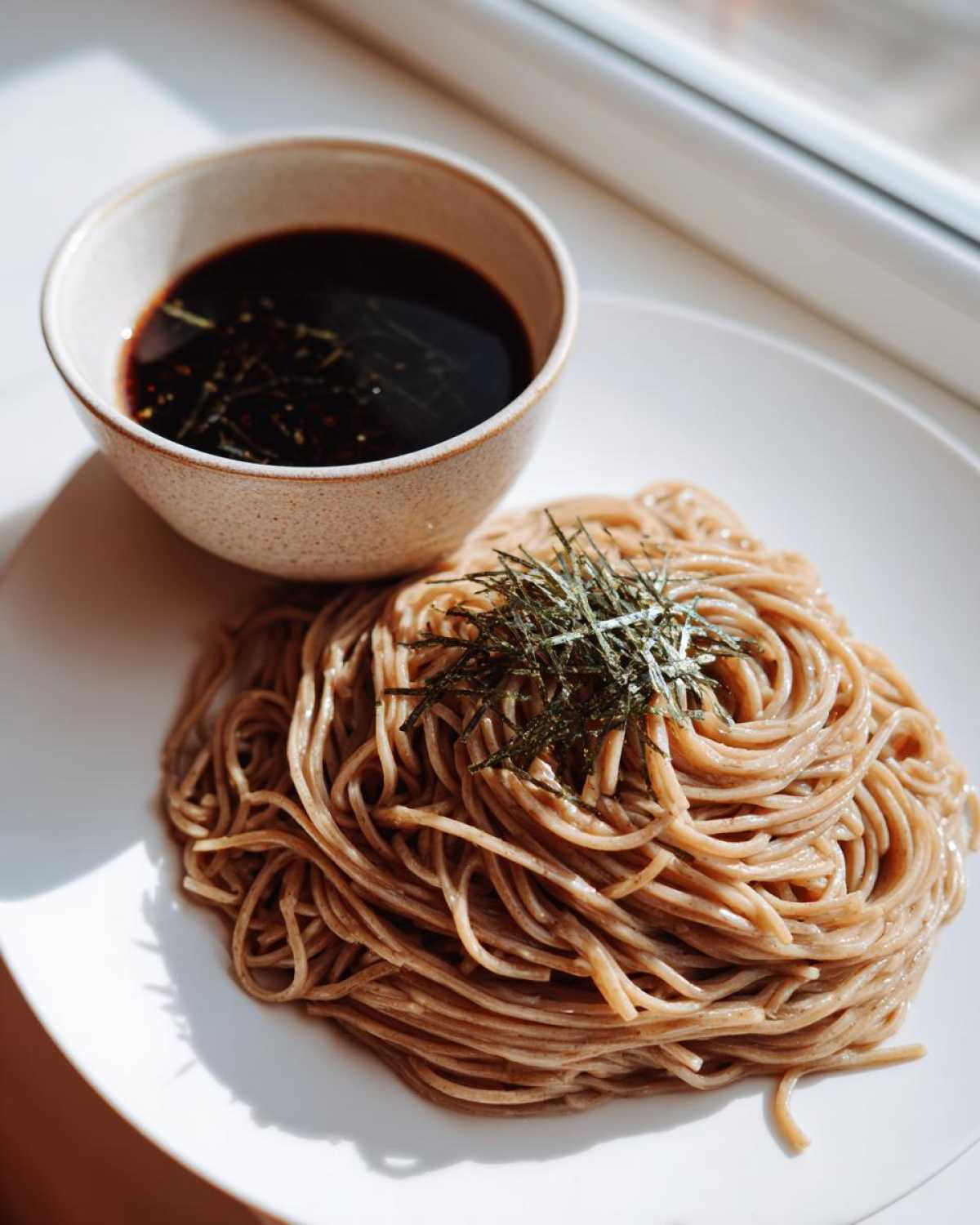
Finally, those thin strips of nori seaweed add a lovely earthy, oceanic scent. These options are central to Traditional Soba Serving Ideas. Just have everything ready in tiny little bowls on the table, and everyone can mix exactly what they want onto their noodles before dipping. It makes the whole experience feel celebratory, even if it’s just a Tuesday dinner! 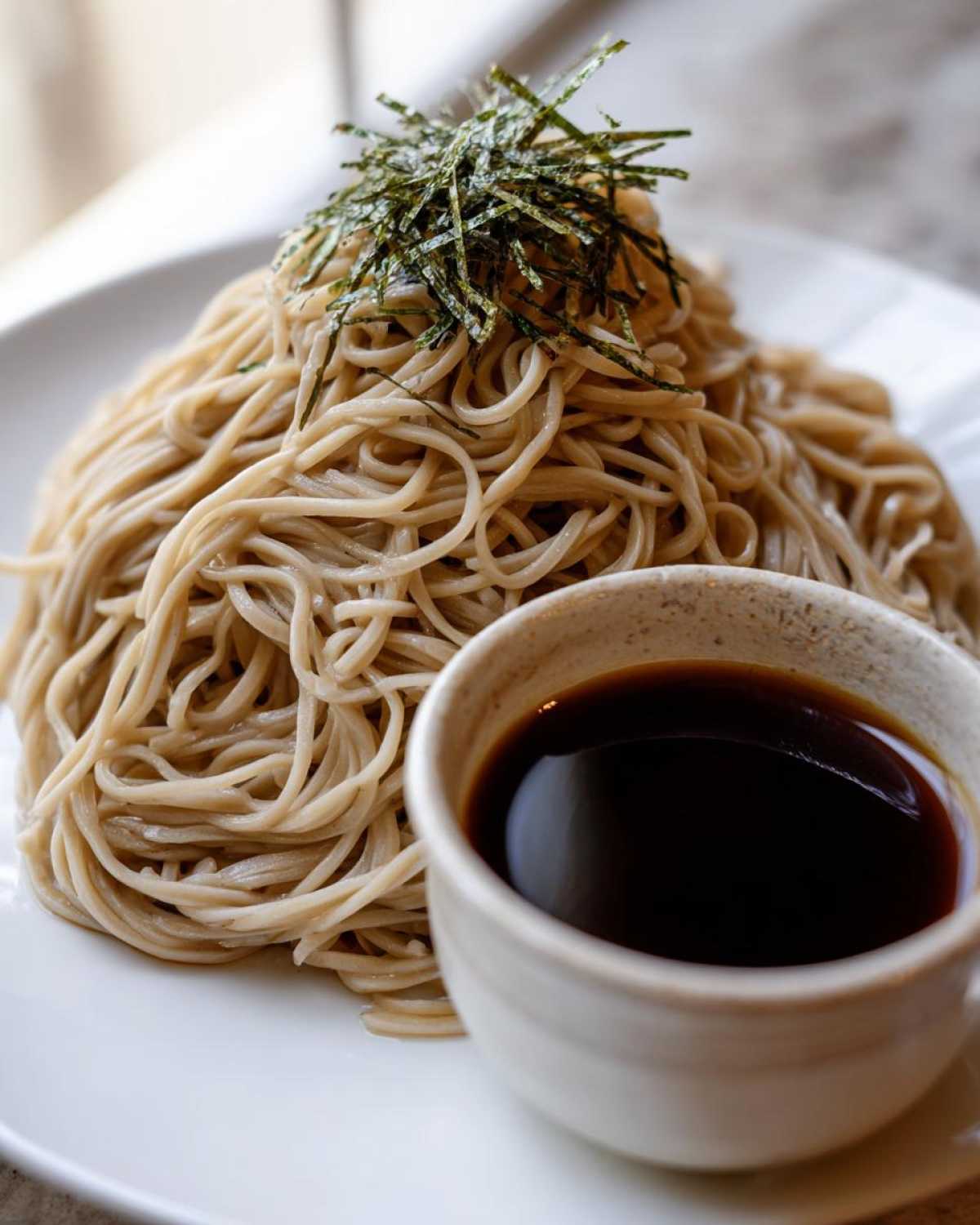
Variations for Your Cold Soba with Dipping Sauce
Just because we are sticking close to the classic preparation for Cold Soba with Dipping Sauce doesn’t mean we can’t play around a little! This recipe is built on simplicity, but it’s a fantastic base for adding texture or punching up the flavor if you’re feeling adventurous. I often look for ways to turn this lighter affair into a more substantial meal, especially if I’m prepping ahead.
If you want to boost the protein, especially for a healthy cold noodle dinner, chilled tofu cubes are fantastic. Just pat them dry really well before adding them beside the noodles. Or, if you have some leftover shredded, cold chicken from another meal, that works wonderfully too! You can see how I incorporate chicken in other ways over on my chicken salad recipe, which proves leftovers can always be repurposed!
For the dipping sauce itself, try adding a tiny teaspoon of grated fresh ginger to your cool tsuyu. Wow, does that give it a little zip! It’s a subtle addition that I highly recommend when those summer melons aren’t quite cutting the heat. It makes the whole experience feel totally personal.
Storage and Make-Ahead Tips for Cold Soba with Dipping Sauce
One of the best things about having a recipe like this in your back pocket is that you can actually prep parts of it ahead of time! That means when you get home hot and tired, you’re only minutes away from that icy-cold bowl of soba. I love making this for quick Asian noodle meal prep, but you have to treat the noodles and the sauce very differently.
Let’s talk about the tsuyu first, because this is the easiest part to set up days in advance. Since our Homemade Soba Sauce Recipe has sugar and soy sauce, it keeps really well. You can absolutely make that whole batch and keep it covered in the fridge for up to three days. It tastes just as good, maybe even better, once those flavors have married overnight!
Now, the noodles are trickier. I generally advise against cooking and storing soba noodles for more than a day, even if they are rinsed well. If you absolutely must prep them ahead—maybe you are making lunch for the next day—make sure they are aggressively rinsed until all the starch is gone. Store them in an airtight container in the fridge—do not let them dry out, but don’t put them swimming in water either.
When you pull those pre-cooked noodles out of the fridge, they will have stiffened up a bit, guaranteed. You cannot just eat them like that! They absolutely need a quick, hard rinse under very cold running water, maybe even a quick dunk back into an ice bath for 30 seconds. This revitalizes them and restores some of that springy texture we want in our Cold Soba with Dipping Sauce. If you’re planning ahead for later meals, maybe check out my thoughts on overnight oats—that’s another make-ahead superstar that requires a different kind of chilling!
Frequently Asked Questions About Cold Soba with Dipping Sauce
I know you might have a few lingering questions, especially when dealing with a Japanese specialty like this! Don’t worry; we all start somewhere. Here are the things people ask me most often when they are trying to nail this simple yet sublime Cold Soba with Dipping Sauce.
Can I use a different type of noodle if I don’t have soba?
Look, if you’re craving a quick Asian noodle lunch right now and the soba shelf is empty, you *can* substitute, but it won’t be the same experience, you know? Soba’s buckwheat gives it that unique, slightly earthy flavor and specific bite. If you absolutely must, Udon noodles are thicker and chewier, and Somen noodles are much thinner and more delicate. They’ll soak up the tsuyu differently, so just manage your expectations! For the real deal, though, stick to buckwheat.
What makes the texture of cold soba chewy?
Ah, that beautiful chewiness! That’s the direct result of aggressive temperature shock, truly. The combination of rinsing the hot noodles right away under cold running water to wash off the excess starch layer, followed by that quick plunge into an ice bath, firms up the noodles beautifully. That process stops the cooking process and tightens everything up. Nail those two steps for your Cold Soba with Dipping Sauce, and you get that perfect, firm texture that makes this dish so darn refreshing. 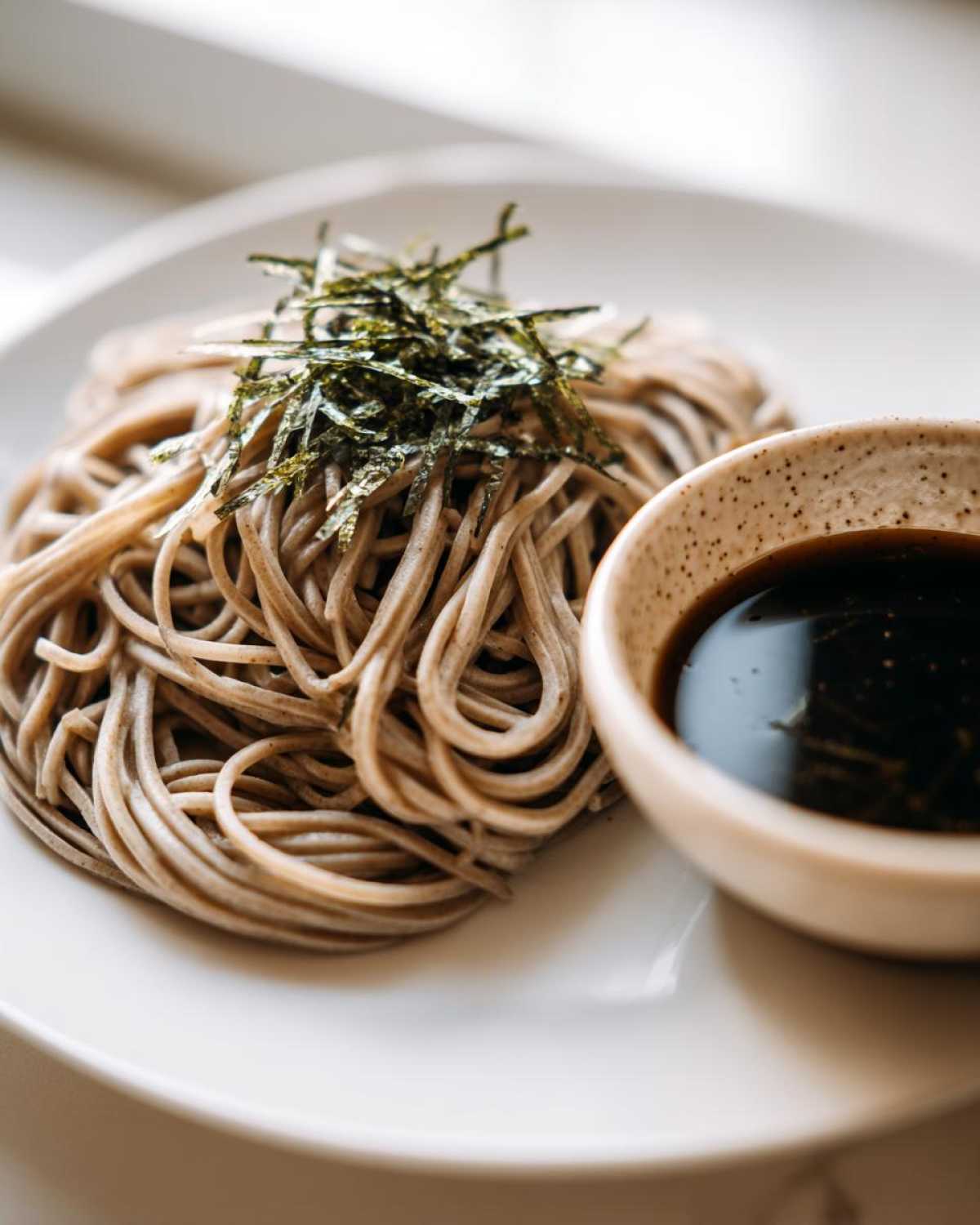
There’s nothing better than a light meal after a long day, and I hope this makes your next easy soba lunch a huge success! If you’re looking for more inspiration for your evening meal, swing by my dinner category!
Estimated Nutritional Information
Here’s a quick rundown on what you’re looking at for one serving of this delicious and light Cold Soba with Dipping Sauce. Remember, this is just an estimate, okay? If you use more mirin or a different brand of mentsuyu, those numbers are going to shift a bit! We always want to be responsible cooks.
I always recommend checking the labels on your specific ingredients, especially the soy sauce or concentrate, since sodium levels can vary wildly. Think of this as a general guide, not a binder. For the full, super-detailed breakdown and information on why these numbers might change based on your specific pantry items, you can always check out my general nutritional disclaimer page!
- Serving Size: 1 serving (half recipe)
- Calories: 350
- Sugar: 15g
- Sodium: 1200mg
- Fat: 1g
- Carbohydrates: 75g
- Protein: 12g
Cold Soba with Dipping Sauce (Tsuyu)
Prepare refreshing cold soba noodles served with a traditional Japanese dipping sauce. This recipe provides clear steps for cooking the noodles and mixing the flavorful tsuyu.
- Prep Time: 10 min
- Cook Time: 6 min
- Total Time: 16 min
- Yield: 2 servings
- Category: Lunch
- Method: Boiling
- Cuisine: Japanese
- Diet: Vegetarian
Ingredients
- 8 ounces dried soba noodles
- 4 cups water (for boiling)
- Cold water or ice bath (for chilling)
- For the Tsuyu Dipping Sauce:
- 1 cup mentsuyu concentrate (or 1/2 cup soy sauce, 1/2 cup mirin, 1/4 cup sugar, 1/4 cup dashi stock)
- 1/2 cup water (if using concentrate, adjust based on label instructions)
- Optional Garnishes:
- 2 scallions, thinly sliced
- 1/4 cup grated daikon radish
- 1 sheet nori seaweed, cut into thin strips
- Wasabi paste, to taste
Instructions
- Cook the soba noodles according to package directions, usually 4 to 6 minutes, until al dente. Do not overcook.
- Immediately drain the hot noodles into a colander.
- Rinse the noodles thoroughly under cold running water, using your hands to gently agitate them to remove excess starch. This stops the cooking process and firms the texture.
- Prepare an ice bath if desired; briefly immerse the rinsed noodles for 30 seconds to make them very cold and chewy, then drain well.
- Prepare the dipping sauce: If using mentsuyu concentrate, mix it with the specified amount of water. If making from scratch, combine soy sauce, mirin, sugar, and dashi stock in a small saucepan. Heat gently until the sugar dissolves, then cool completely.
- Divide the chilled soba noodles among serving bowls.
- Serve the cold soba immediately with the chilled tsuyu dipping sauce in small individual bowls.
- Offer garnishes like sliced scallions, grated daikon, nori strips, and wasabi on the side for you to add as desired.
Notes
- For the best texture, rinse the noodles immediately after draining. Do not let them sit warm.
- If you prefer a stronger sauce flavor, reduce the added water when mixing the mentsuyu concentrate.
- For a lighter sauce, increase the amount of dashi stock relative to the soy sauce.
- You can prepare the tsuyu sauce up to three days ahead and keep it refrigerated.
Nutrition
- Serving Size: 1 serving (half recipe)
- Calories: 350
- Sugar: 15
- Sodium: 1200
- Fat: 1
- Saturated Fat: 0
- Unsaturated Fat: 1
- Trans Fat: 0
- Carbohydrates: 75
- Fiber: 7
- Protein: 12
- Cholesterol: 0