

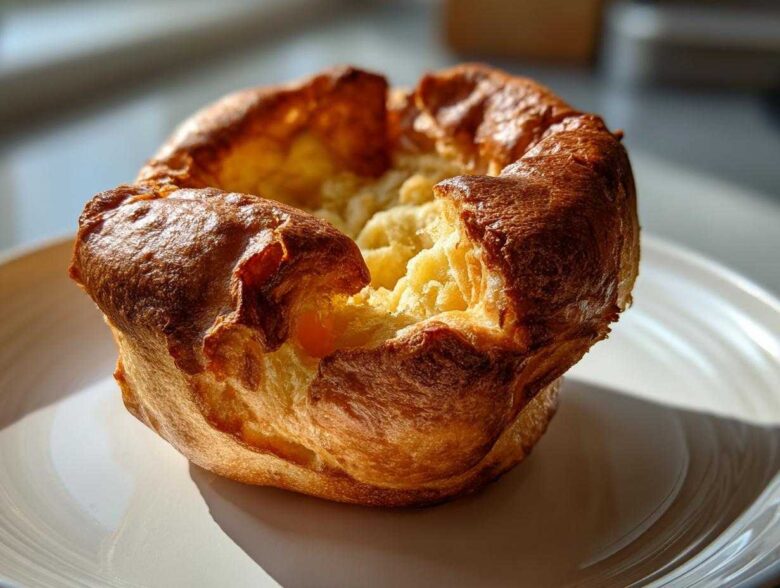
Oh, the heartbreak! There is nothing sadder than pulling out the roasting tin, expecting those glorious, tall, golden towers, only to find flat, slightly oily, sad little pancakes staring back at you. I swear, I used to have nightmares about sunken yorkshire pudding. It truly felt like a secret kept only by professional chefs, didn’t it?
But folks, I cracked the code! After years of lukewarm results and frantic last-minute scrambling before Sunday lunch, I finally figured out the exact combination of heat and rest time needed. Trust me when I say this yorkshire pudding recipe knocks it out of the park every single time. I’m talking about puddings so high and crispy they practically beg for gravy—the kind you see on TV!
I remember the first time I pulled a tray of these out; they rose so high I genuinely thought the oven door was going to pop open. That moment solidified it: this method is foolproof. If you want the best roast dinner sides known to British cuisine, stick with me. We’re making puffy and crispy yorkshire puddings that will make you a legend at every future gathering.
If you’re looking for more easy-to-follow kitchen tricks and recipes, feel free to check out my main blog page for more inspiration!
Why This is the Best Crispy Yorkshire Pudding Recipe
So, what’s the magic? It’s not just one thing; it’s the handshake between three critical moments in the process. First, you absolutely must let that batter rest. Seriously, don’t skip it! Resting allows the starch in the flour to relax, which is key to achieving those Light and Airy Puddings we dream about.
Second, temperature! The oven needs to be blazing hot, and that fat in the tin needs to be smoking hot before the batter even thinks about hitting it. That sudden heat shock creates immediate steam, forcing that gorgeous puff.
Finally, it’s all about patience during the cook. This is my Foolproof Yorkshire Pudding Technique: put them in, and then you walk away. No peeking! Peeking is how flat puddings are made. Follow those three rules, and your yorkshire pudding game will change forever.
Essential Ingredients for Yorkshire Pudding
While the technique gets the rise, the ingredients give us the flavor we love. You only need pantry staples, but the quality matters! I’m strict about always using whole milk—it just gives the batter a richness that skim milk absolutely cannot match. And the fat? For true, deep flavor, nothing beats beef dripping, though vegetable oil works if you’re careful to get it screaming hot.
Ingredients for Homemade Puffy Yorkshire Puddings
Okay, let’s talk about what you need to pull this off. You might look at my ingredient list and think, “That’s it? I have all that already!” And you are probably right! That’s the beauty of a good yorkshire pudding recipe—it relies on basic pantry things, but we use them exactly right.
You’ll need four large eggs. Don’t try and sneak in three or five; four is the magic number for this batch size. You’ll also need one cup of plain all-purpose flour and exactly one cup of proper whole milk. Whole milk is a non-negotiable for the texture I’m aiming for, believe me.
We keep things simple with just half a teaspoon of salt to season everything up nicely. Then, critically, you need the fat for the tin. I always keep a jar of beef dripping handy because that’s what gives you that deep, savory flavor everyone raves about when they dip their pudding into gravy. If you don’t have dripping, use a neutral vegetable oil, but make sure you have enough to generously coat every cup in your tin.
The Foolproof Technique: How To Make Yorkshire Puddings Rise
Alright, listen up. This is where all the lumps, the flat puddings, and the panic attacks disappear forever. We are getting into the nitty-gritty of How To Make Yorkshire Puddings Rise tall and proud. It all comes down to how gently you treat the batter and how long you let it chill out before it meets the scorching heat.
If you miss the resting step, you’ll never get that beautiful, airy structure in your yorkshire pudding. Getting this sequence right is what separates the good sides from the amazing ones ready for gravy duty.
Preparing the Easy Yorkshire Pudding Batter
Making the actual batter is the simple part—it’s so straightforward, I call it my Easy Yorkshire Pudding Batter because you can honestly do it almost one-handed! First, toss your flour and salt into your mixing bowl. Get the eggs in next and give it a rough whisk just to incorporate the flour. Don’t worry about lumps yet.
Now, gently start adding the milk bit by bit, whisking as you go. The key here is to stop whisking the second it looks smooth. If you beat it up too much, you develop the gluten, and that makes your pudding tough instead of light. We want smooth, we want thin, and then we stop. That’s it!
The Critical Step: Resting the yorkshire pudding Batter
If I could only give you one piece of advice it would be this: Rest the mix. Seriously! You can mix this up in the morning, but you absolutely must let it sit on the counter for at least 30 minutes. Better yet? Pop it in the fridge for two or three hours—or even overnight if you’re meal-prepping for the week! I sometimes even whip up a double batch and keep half in the fridge for the next day.
This resting time lets the gluten relax, which means when it hits that hot fat, it expands rapidly instead of fighting back. A rested batter is the secret weapon for that magnificent oven spring you’re after in every perfect yorkshire pudding.
For a fun baking twist later on, check out my recipe for one-bowl fudgy brownie cookies—easy batter mixing applies there too!
Cooking Instructions for a Perfect yorkshire Pudding
Now comes the drama, but it is thrilling drama! This process requires you to move quickly and confidently. You cannot gently ease into this—the heat needs to be overwhelming! We are aiming for that perfect, crunchy shell that defines a beautiful yorkshire pudding, and that comes entirely from the preheating stage. Get your oven screaming hot, because we’re not messing around with lukewarm temperatures here.
Once everything is hot, you have about thirty seconds to work your magic before the tin starts to cool down. Be ready to move fast! If you want to see a huge jump in height, this is where you earn it. If you want to check out some other speedy meals for those times you’re in a rush, check out my bacon cheeseburger casserole recipe!
Preheating and Fat Management for Crispy yorkshire Pudding
You have to crank that oven up to 450°F, or 230°C. That is non-negotiable heat! While the oven is reaching temp, fill your muffin tin—or your dedicated Yorkshire tin—with about half a teaspoon of your chosen fat. You want enough fat to coat the bottom generously. Pop the tin into the oven while it’s heating up. We need that fat to reach its smoking point. Seriously, when you pull that tin out, the fat should be shimmering and just starting to smoke a little bit. That’s the sign that the tin is hot enough to deliver the best Crispy Yorkshire Pudding Recipe results possible.
Baking and Achieving Maximum Rise
This is the make-or-break second! Once you pull the smoking hot tin out, quickly and steadily pour the rested batter into the fat, filling each cup only about halfway. Seriously, don’t overfill them, or they will spill over and steam themselves flat. Work fast to get the tin back into that raging hot oven immediately. Now, here is the biggest rule for How To Cook Perfect Puddings: DO NOT OPEN THE OVEN DOOR for the first 15 minutes. I’m warning you now, if you peek, they will collapse. Let the high heat do its job and watch them puff up huge through the glass!
Tips for the Ultimate yorkshire Pudding Success
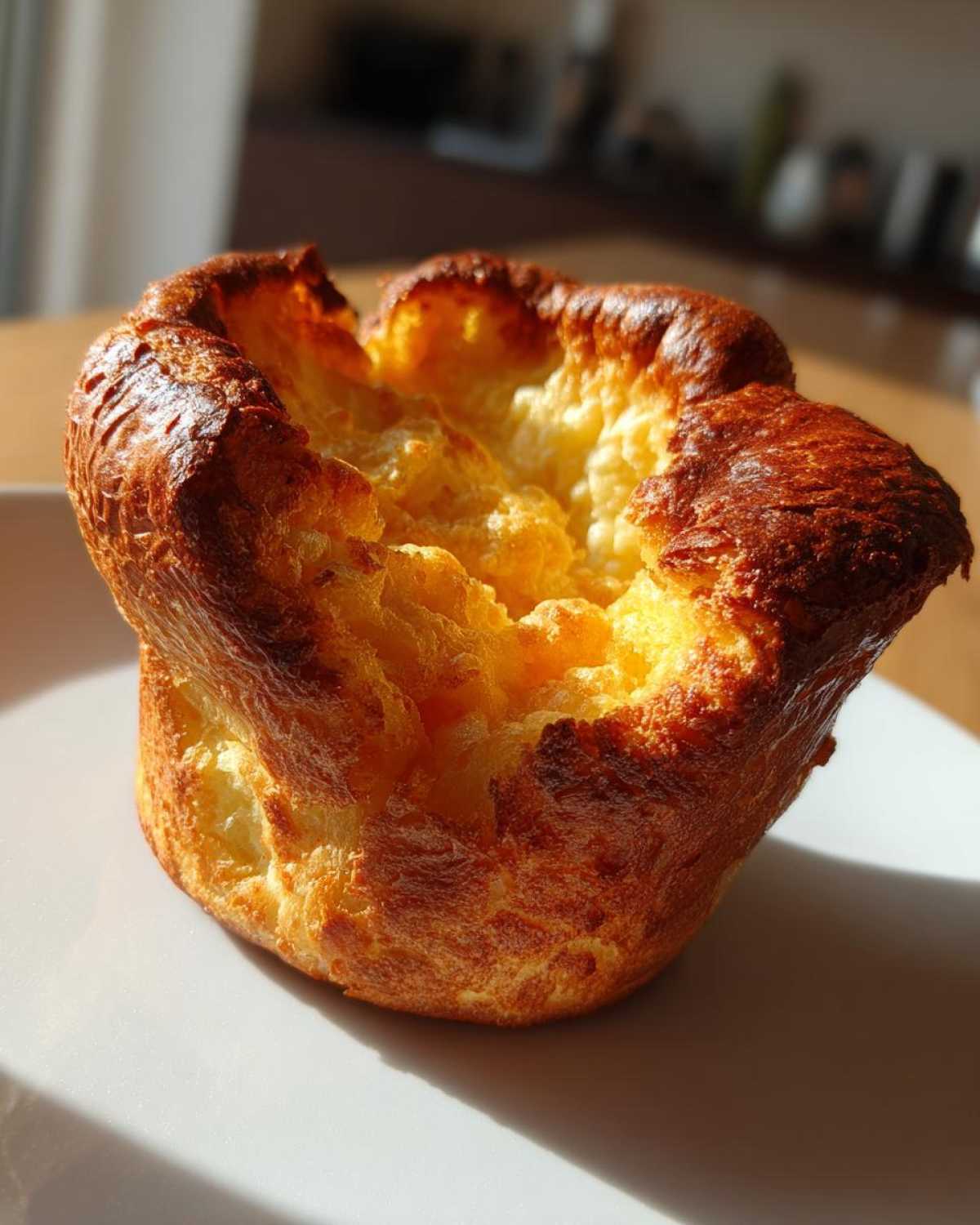
If you followed the cooking instructions, you should have some beautiful, golden puffs staring back at you! But what about those tiny adjustments that take a good yorkshire pudding to legendary status? My biggest tip, which I mentioned before, is leaning into that beef dripping. It imparts a savory depth you just can’t get from standard oil, making them the perfect savory English bake.
Also, when pouring the batter in, try not to ‘drizzle’ it in from high up. That introduces too much cool air. I try to get my jug tip right down close to the fat and pour swiftly. It minimizes heat loss! And always, always use whole milk—it just makes the structure beautifully rich.
Lastly, remember those lumps we ignored in the batter? If you find a few tiny ones managed to survive the resting period, don’t stress! As long as the batter is thin and rested, those little flour pockets will usually cook out fine into the crispy edges of your fantastic yorkshire pudding.
Serving Suggestions for your yorkshire Pudding
Honestly, what’s the point of a perfect yorkshire pudding if you don’t have something absolutely smothered in gravy to dunk it into? These are the star players on any Sunday dinner table. We are talking about the ultimate Yorkshire Pudding for Sunday Roast experience here!
You must serve them piping hot, straight from the oven. Don’t let them sit around waiting; that’s when they deflate a little! They are one of the Best Roast Dinner Sides you could possibly ask for, perfect alongside roast beef, chicken, or even hearty roasted vegetables.
My absolute favorite way to eat them? I make up a batch of my garlic and herb butter steak bites and serve the puddings right next to the plate, just begging for the savory juices to pool inside. If you don’t get a puddle of thick, rich gravy in the center of that crispy shell, you’re just not doing it right!
Storage and Reheating yorkshire Pudding
Even the most brilliant batch of yorkshire pudding sometimes ends up with leftovers, which is rare in my house, but it happens! The key here is that these absolutely must not go into the microwave for a reheat. Microwaving turns them instantly sad and soggy—we worked too hard for that!
Store any leftovers in an airtight container at room temperature for up to a day, or pop them in the fridge for a couple of days. When you are ready to enjoy them again, spread them out on a baking tray and put them back into a fairly hot oven, say 375°F (190°C), for about five to seven minutes. They’ll crisp up wonderfully, ready for round two!
Frequently Asked Questions About yorkshire Pudding
Can I make yorkshire pudding batter ahead of time?
You absolutely can, and I highly recommend it! I often mix my batter the night before. This gives the flour time to really hydrate properly, which helps with the rise. You just need to make sure it’s in a covered bowl in the fridge. When you’re ready to use it, take it out about 45 minutes before baking so it can come up to room temperature. Cold batter hitting hot fat is the enemy of a great rise!
What is the best fat to use for traditional yorkshire pudding?
If you want that truly authentic, deep, savory flavor that screams “Traditional British Baking,” you simply must use beef dripping. It has a higher smoke point and gives the most incredible crust. However, if you can’t get your hands on dripping, a neutral vegetable oil like sunflower or canola oil works really well, as long as you get it ripping hot!
Why did my yorkshire puddings collapse after rising?
Oh, that’s the saddest sound, isn’t it? 99 times out of 100, the collapse happens because you got curious! Opening the oven door lets the trapped steam rush out before the structure is set. That’s why I tell everyone not to peek for the first 15 minutes. The second common cause is not having your fat hot enough—a lukewarm fat won’t create that initial explosive steam needed to lift them high, so they deflate later!
If you want to know more about my kitchen philosophy, check out the About Us page!
Nutritional Information Estimate for yorkshire Pudding
Now, I know what you’re thinking—who worries about nutrition when you’re smothering these beauties in gravy? Ha! I don’t worry too much either, but for those who keep track, here’s a rough idea of what one of these golden puffs packs in. This estimate is based on using standard vegetable oil for cooking.
Keep in mind that every time you add beef dripping or serve it with roast potatoes, the numbers change! For the full details, please see my disclaimer page. But generally, one yorkshire pudding has around 120 calories, about 6 grams of fat, and 5 grams of protein. Enjoy them guilt-free—they are worth every bite for your Classic British Side Dish experience!
PrintPerfect Puffy and Crispy Yorkshire Puddings

Follow this simple method to make light, tall, and crispy Yorkshire puddings perfect for your Sunday roast and gravy.
- Prep Time: 10 min
- Cook Time: 25 min
- Total Time: 35 min
- Yield: 12 puddings
- Category: Side Dish
- Method: Baking
- Cuisine: British
- Diet: Vegetarian
Ingredients
- 4 large eggs
- 1 cup all-purpose flour
- 1 cup milk (whole milk works best)
- 1/2 teaspoon salt
- Vegetable oil or beef dripping, for cooking
Instructions
- Combine the flour and salt in a large bowl.
- Whisk the eggs into the flour mixture until just combined.
- Gradually whisk in the milk until you have a smooth, thin batter. Do not overmix.
- Cover the bowl and let the batter rest at room temperature for at least 30 minutes, or up to several hours in the refrigerator.
- Preheat your oven to 450°F (230°C). Place a 12-hole muffin tin or a dedicated Yorkshire pudding tin into the oven while it preheats.
- Add about 1/2 teaspoon of oil or beef dripping into each cup of the hot tin. The fat must be smoking hot before you add the batter.
- Carefully remove the hot tin from the oven. Quickly and evenly pour the batter into the hot fat, filling each cup about halfway.
- Immediately return the tin to the hot oven. Do not open the oven door for the first 15 minutes of cooking.
- Bake for 20 to 25 minutes, or until the puddings are well-risen, deep golden brown, and crisp.
- Serve immediately with roast meat and gravy.
Notes
- For the tallest rise, the fat must be extremely hot before you pour in the batter.
- Use whole milk for the richest flavor and best texture.
- Do not substitute the fat; beef dripping gives the most traditional flavor.
Nutrition
- Serving Size: 1 pudding
- Calories: 120
- Sugar: 2
- Sodium: 150
- Fat: 6
- Saturated Fat: 2
- Unsaturated Fat: 4
- Trans Fat: 0
- Carbohydrates: 14
- Fiber: 0
- Protein: 5
- Cholesterol: 70