

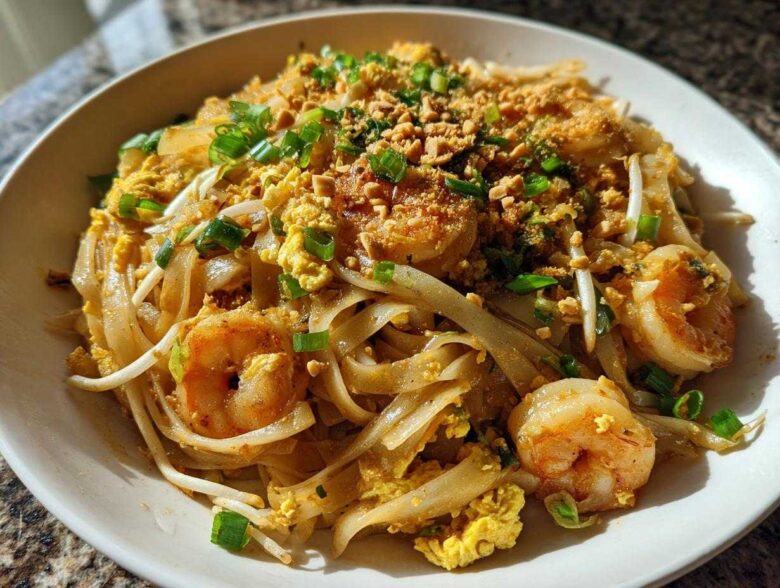
I used to think amazing, authentic Pad Thai was something you could only get from a street vendor, piping hot and perfectly messy. Seriously, my early attempts at home were just soggy, sweet noodles. It felt impossible to nail that classic Thai flavor—you know, the savory, the sour, the hint of smoke? Well, I finally cracked the code, and trust me, it all comes down to one thing: mastering the sauce. When you learn to build the **Pad Thai with Tamarind Sauce** correctly, everything else just falls into place. It’s not just a recipe; it’s a technique that transforms humble rice noodles into something truly addictive. Forget takeout tonight; let’s create the real deal!
Why This Pad Thai with Tamarind Sauce Stands Apart
Honestly, most recipes skip the nuance, but this one gets right to the soul of the dish. That incredible flavor doesn’t come from the noodles; it comes straight from the sauce pot. If you follow these ratios, you’ve got the secret to an Authentic Pad Thai Recipe on your hands. Honestly, I learned so much about balanced flavors when I deeply researched Thai cooking fundamentals over at our About Us page!
- The Tamarind: It brings that irreplaceable, deep sour note that tomatoes or vinegar just can’t replicate.
- The Sugar Ratio: We use enough palm sugar (or brown sugar) to balance the tartness perfectly without turning it into a dessert.
- High Heat Cook: We work fast to get that slight char on the noodles!
Achieving the Perfect Sweet, Sour, and Savory Balance
This is where the magic happens. That signature combo you crave—sweet, sour, and salty—is concentrated right there in the sauce we make first. The fish sauce delivers the mandatory savory depth, the tamarind pulls the tart edge sideways, and the palm sugar just rounds everything out beautifully. It’s like a flavor orchestra where everything hits the right note at the exact same time. Don’t rush this part; tasting the sauce before it hits the wok is my favorite part!
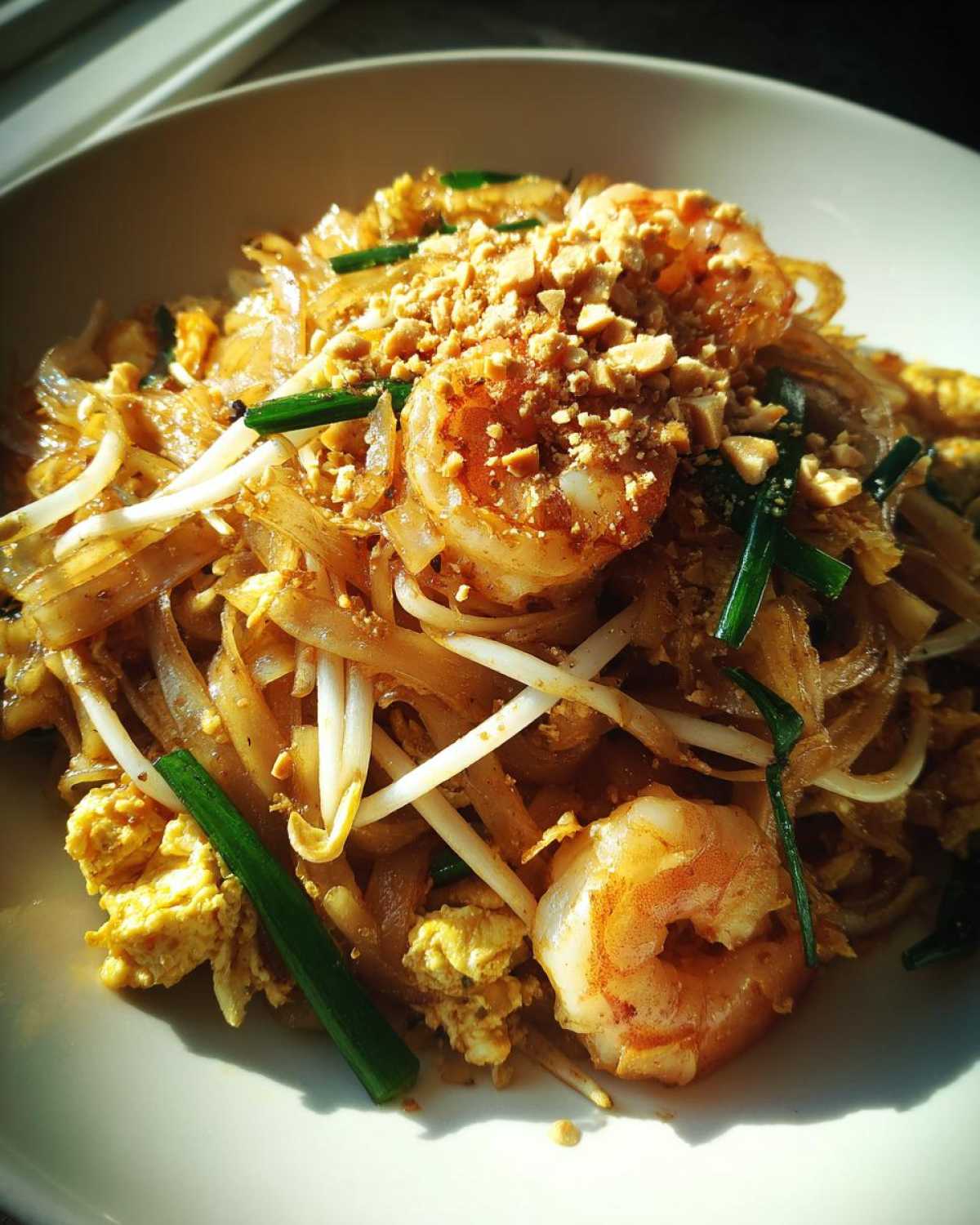
Essential Ingredients for Authentic Pad Thai with Tamarind Sauce
Okay, so gathering your supplies is half the battle when you’re aiming for that smoky, authentic taste. You can’t just throw in any noodles or any sweetener; quality matters for a truly great **Pad Thai with Tamarind Sauce**. I’ve listed everything you need below, and don’t worry if you’re missing one thing; we talk about swaps in a minute. Remember, the noodles need a good, long soak—we’re looking for pliable, not mushy. I always pull mine out just when they’re halfway done because they finish cooking in the wok!
- Noodles: 8 oz dried flat rice noodles (about 1/4 inch wide). Get the good ones; they hold the sauce so much better!
- For the Sauce Base: 4 tablespoons tamarind paste or concentrate, 4 tablespoons fish sauce, 4 tablespoons palm sugar or brown sugar, packed, 2 tablespoons water, and 1 tablespoon rice vinegar.
- For the Stir Fry: 1 tablespoon vegetable oil, 8 oz shrimp (peeled/deveined), sliced chicken, or firm tofu cubes.
- Aromatics & Finishers: 2 cloves garlic (minced), 1 shallot (sliced thin), 1 large egg, 1 cup fresh bean sprouts, 1/2 cup chopped fresh chives or green onions.
- Garnishes (Non-Negotiable!): 1/4 cup crushed roasted peanuts and 1 lime, cut into wedges.
- Optional Depth: 1 tablespoon dried shrimp or 1 tablespoon preserved salted radish, chopped. These add that classic street-food funk.
Ingredient Notes and Substitutions for Pad Thai with Tamarind Sauce
Let’s tackle sourcing, because that tamarind can throw people off! If you can’t find plain tamarind paste, use 3 tablespoons of tamarind concentrate mixed with 1 tablespoon of hot water—it works just as well for the sauce. If you are following a Classic Thai Street Food Recipe but need to keep it meat-free, swap out the fish sauce for light soy sauce or, even better, vegetarian fish sauce. For the tofu people, make sure you press that water out first, or it’ll just steam instead of frying up nicely. You can find a ton more ingredient tips over on my Pad Thai Ingredients Guide if you want to dive deeper!
How to Make the Best Tamarind Sauce for Pad Thai
If you take one thing away from this entire recipe, let it be this: do not cheat on the sauce preparation! This is what separates a mediocre noodle dish from the real deal. Making the **Best Tamarind Sauce for Pad Thai** requires just a few minutes on the stove, but you have to treat the ingredients with respect, especially that sugar.
We are grabbing our small saucepan for this; no need to drag out the huge wok yet. You combine the tamarind paste, the fish sauce (that salty flavor powerhouse!), the palm sugar, a splash of water, and just a tiny bit of rice vinegar. Now, pay attention here: you need to heat this mixture over medium-low heat. I mean *low*. You aren’t trying to boil it hard; you are trying to coax that palm sugar into dissolving completely into the liquids. If you scorch it, you ruin the delicate balance that makes this Pad Thai with Tamarind Sauce so divine.
Stir it gently while you watch it. Once all that granular sugar disappears and you have a smooth, dark, slightly thick liquid, take it right off the heat. Don’t leave it simmering on the burner! I always like to give it a quick taste here—it should taste shockingly intense: super sour, super sweet, and super savory all at once. Trust me, that intensity mellows out perfectly once it hits the noodles and the rest of the savory ingredients.
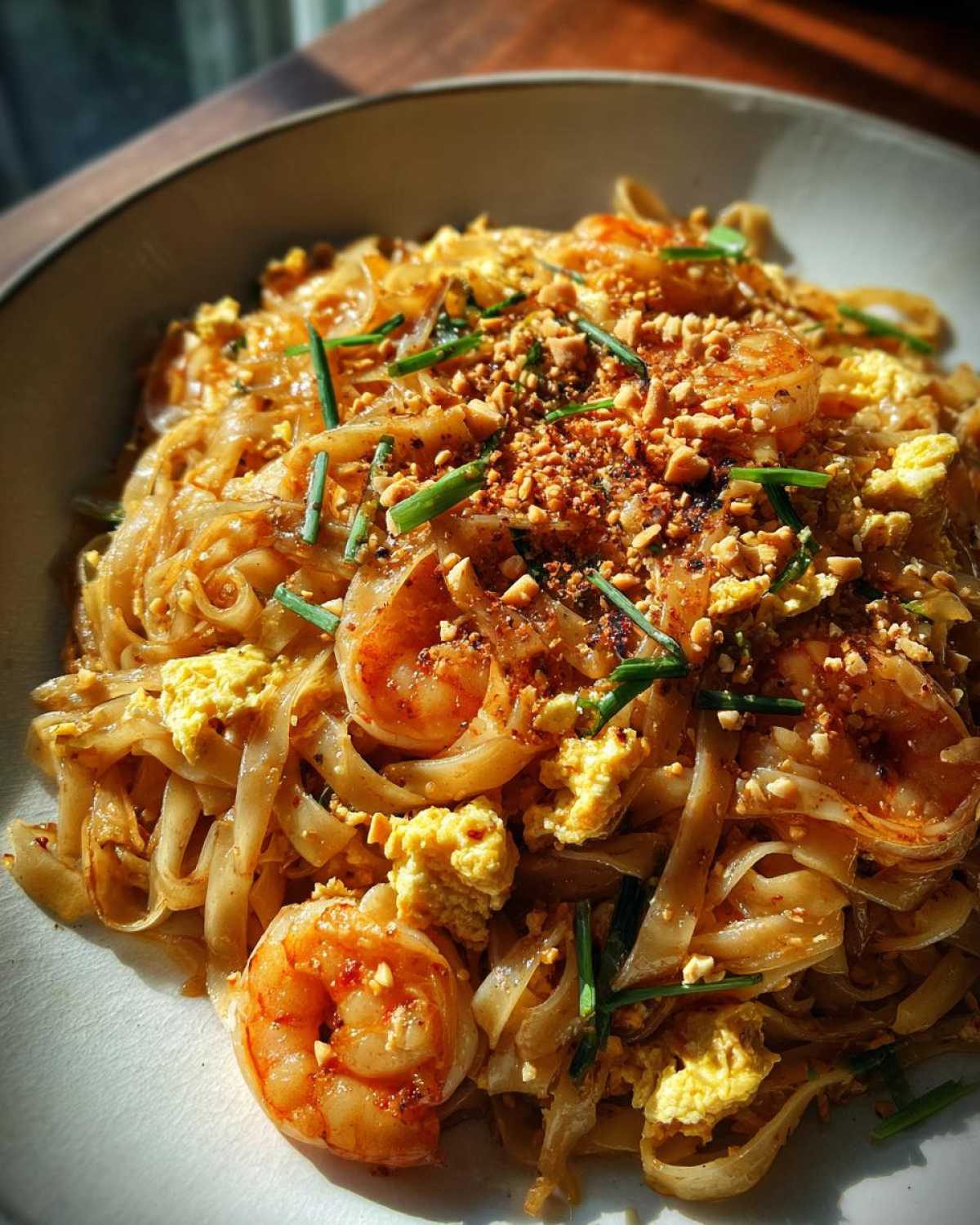
Tips for Homemade Pad Thai Sauce Consistency
The goal with this sauce viscosity is coating, not drowning! When you first make it, it might seem a little thin, but remember, the noodles are still soaking wet when they go in, and the sauce will thicken slightly as it cools down on the side. The main mistake people make is adding too much extra liquid, which results in soupy noodles. You want it thick enough that when you pour a little onto a spoon, it leaves a clear sheen behind, and it coats the back of that spoon nicely.
If, by some accident, you end up with a sauce that seems watery, just put that saucepan back on the lowest heat setting for literally one minute, stirring constantly. You’ll see it tighten right up. If you accidentally reduce it too much and it gets gloppy, just whisk in a teaspoon of hot water at a time until you get that perfect, pourable consistency. This perfect sauce is documented beautifully in my little tutorial on making homemade tamarind sauce, so check that out if you want visual guidance!
Step-by-Step Instructions for Pad Thai with Tamarind Sauce
Alright, deep breaths! This is where we bring everything together. If you have your soaking noodles ready and that amazing sauce sitting on the counter, the actual cooking goes lightning fast. This is why high heat is your best friend here—we are stir-frying, which means cooking quickly so everything stays crisp and vibrant. Remember what I said about the noodles? You absolutely cannot skip that soaking step (Step 1). If they aren’t pliable but still a bit firm before they hit the wok, they’ll seize up or break apart. You want that perfect bite like you get in the best takeout spots, and that starts with properly prepared noodles for your **Pad Thai with Tamarind Sauce**.
When you’re ready to cook, try to keep one side of your wok clear for scrambling the egg—it helps keep the process moving smoothly. I’ve written out all the details in my comprehensive guide on how to make Pad Thai from scratch if you want to look ahead while you soak those noodles!
Stir Fry Noodle Technique for Perfect Texture
Get your wok screaming hot—medium-high is usually the max most home stoves can manage, so crank it up! Cook your protein first, like the shrimp or chicken, and pull it out. This prevents it from overcooking while the noodles absorb flavor. When you add the noodles (Step 6), pour only about half of that precious sauce over them first. You need to toss constantly, using big, sweeping motions so the noodles get coated evenly and start to soften quickly. If your wok feels crowded, seriously, split the recipe in half and cook two smaller batches. Overcrowding drops the temperature immediately, and instead of stir-frying, you end up steaming the noodles, which ruins that fantastic texture you want for your Sautéed Rice Noodles Thai Style.
Incorporating Protein and Vegetables in Pad Thai with Tamarind Sauce
Once the noodles are happy and saucy, toss the cooked protein back in. Now, for the egg (Step 5), push your sauced noodles to the side, drop that egg in the cleared space, and scramble it fast! Once it’s set, quickly combine it with the noodles and sauce. Finally, the vegetables—bean sprouts and chives go in last (Step 7). We only want these in the heat for about 60 seconds, tops. We want the sprouts crisp and refreshing, not wimpy and cooked through. Toss that final minute, turn off the heat, and plate it up immediately!
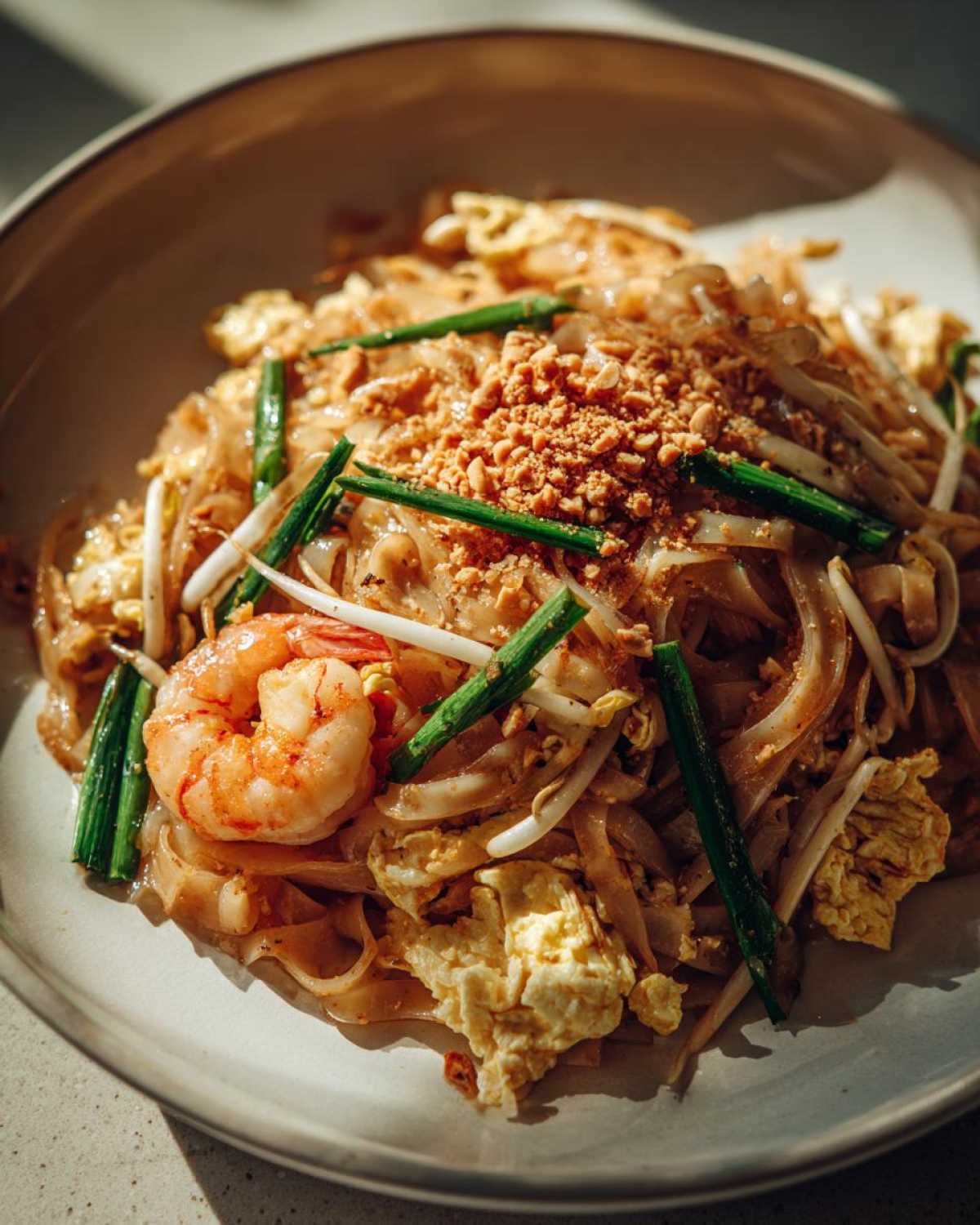
Protein Variations for Your Pad Thai with Tamarind Sauce
One of the best things about this **Pad Thai with Tamarind Sauce** recipe is how versatile it is! The sauce is the star, so it pairs beautifully with whatever you have on hand. Whether you’re craving classic seafood or sticking to plant-based ingredients, you just adjust the cooking time for the protein before you even get to the noodles.
If you’re making **Pad Thai with Shrimp**, make sure those shrimp are dry when they hit the wok. You want them to sear slightly, not steam in their own moisture. Cook them just until they turn pink and opaque, then pull them out right away so they don’t get rubbery later when you toss them back in with the final mixture.
For chicken lovers, thin slices of boneless, skinless chicken work best so they cook through quickly alongside those aromatics. You can even give your chicken a little flavor boost beforehand! If you’re looking for ideas, I shared some of my favorite ways to prep poultry over at my marinade tips page.
Making a Vegetarian Pad Thai with Tamarind Sauce
If you are making a **Vegetarian Pad Thai Recipe**, the tofu needs a little extra love upfront. Always press your extra-firm tofu for at least 30 minutes to get out as much water as possible. I like to cube it and then toss it in a little cornstarch before frying. This helps it get that lovely crispy exterior that holds up to the sauce.
Now, for the sauce substitution—this is vital for the **Tofu Pad Thai Instructions**! Toss that fish sauce and skip the optional dried shrimp. Replace the savory depth with an equal amount of light soy sauce or, if you can find it, vegetarian fish sauce. This substitution keeps the overall flavor profile wonderfully close to the original while staying completely plant-based. The key takeaway on the Homemade Pad Thai Sauce? Make sure you taste it before adding it to the noodles—that flavor needs to be bold!
Serving and Garnishing Your Classic Thai Street Food Recipe
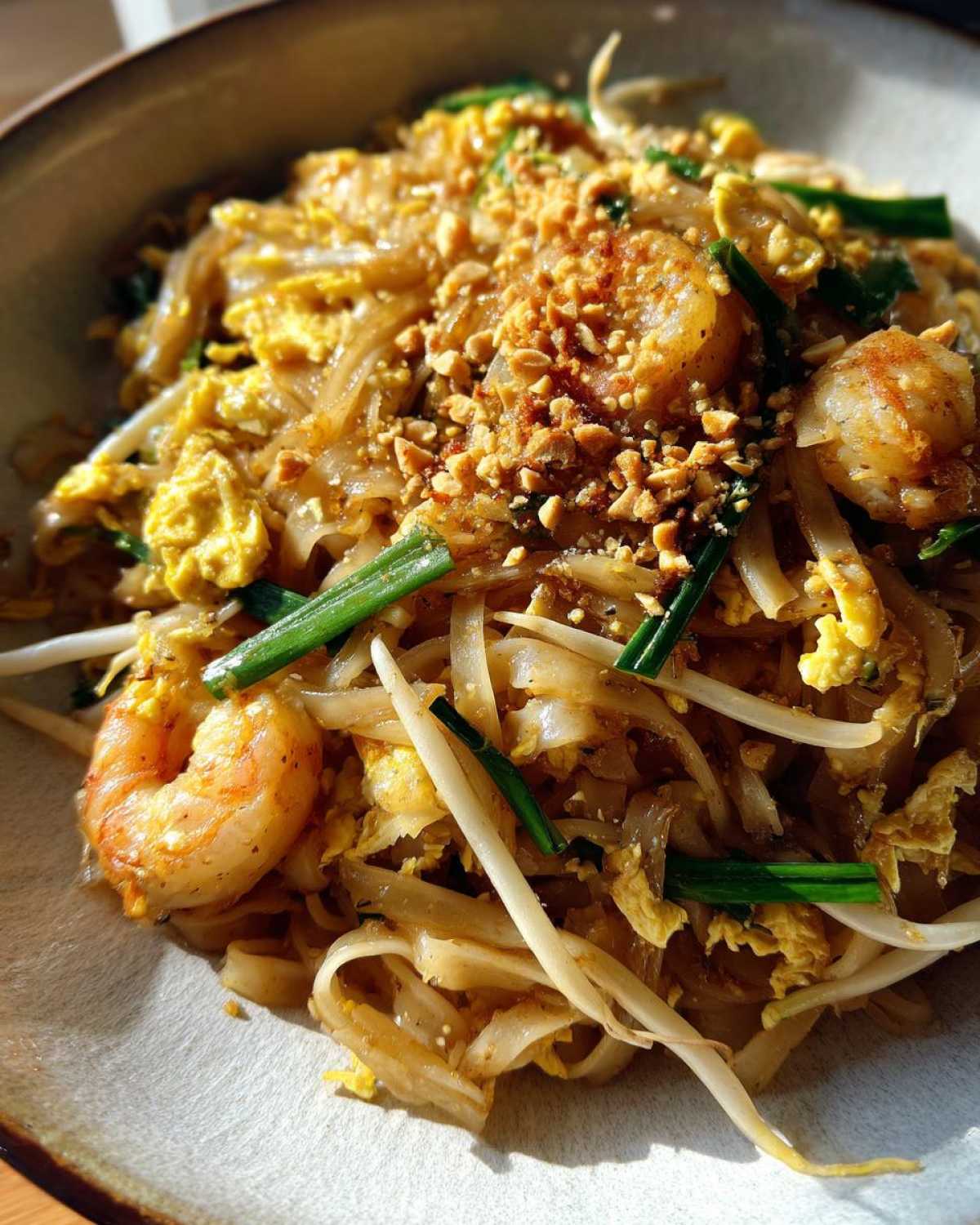
The cooking is done, but the presentation is what truly elevates this into a fantastic **Classic Thai Street Food Recipe**! Don’t just shove it on a plate; those garnishes aren’t just for looks, they are essential final flavor components. You need that little bit of fresh crunch and acidity.
Right before you serve, make sure every portion gets a shower of those crushed roasted peanuts. They add necessary texture against the soft noodles. Then, you absolutely must serve it with a fresh lime wedge. A final squeeze of lime juice right before eating cuts through the richness and brightens up that Savory Sour Sweet Noodles! It’s amazing how much difference that fresh acidic pop makes.
Storage and Reheating Instructions
So, fingers crossed you have leftovers because even the next day, this Pad Thai is pretty darn good—provided you store it right! The biggest issue with noodle dishes like this, especially when they’re sauced well like our Pad Thai with Tamarind Sauce, is that the rice noodles soak up all the remaining moisture as they chill. When you open the container the next day, it looks like an overly dense, sticky brick. Don’t panic; it’s fixable!
For storage, put your leftovers into an airtight container. I like to use glass containers because they help prevent lingering smells. You can keep this in the fridge for about three days, max. I always make sure the noodles are relatively cool before sealing the container, just to prevent condensation buildup.
Now, the reheating part is where you need a game plan, or you’ll end up with tough noodles. The microwave is fine, but you can’t just blast it dry. You need to reintroduce moisture! I always add a tiny splash of water—maybe a teaspoon or two for a single serving—right over the noodles before I microwave it for a minute. If you have some extra sauce left over, even better! Use that instead of plain water; it reinforces that amazing sweet and sour flavor blend.
Alternatively, if you have patience, you can reheat it in a skillet. Get a teaspoon of oil or a tablespoon of your reserved sauce in a non-stick pan over medium heat. Add the cold noodles and toss constantly until they loosen up. It takes just a few minutes, and the high heat revives that slightly smoky quality we worked so hard to achieve. You can peek at my thoughts on digital privacy, though it has nothing to do with noodles, over on the full privacy policy page—but seriously, focus on the water trick for reviving those leftovers!
Frequently Asked Questions About Pad Thai with Tamarind Sauce
This recipe is pretty straightforward, but I know everyone has those little sticking points when trying something new, especially when dealing with a technique like this. You want that restaurant quality, right? Here are some of the things I get asked most often about nailing the texture and flavor in my **Pad Thai with Tamarind Sauce**.
Can I make this Pad Thai with Tamarind Sauce gluten-free?
Oh, that’s an easy yes! Rice noodles are naturally gluten-free, so the main noodle component is perfectly safe. The trickiest part for someone avoiding wheat is the sauce, like always. If you are using fish sauce, double-checking the label is a must, as some brands sneak in wheat stabilizers. If you are going vegetarian and using soy sauce instead of fish sauce, you absolutely need to make sure you are buying Tamari or a certified gluten-free soy sauce. Get those ingredients right, and you’ve got a fantastic, naturally **Gluten Free Pad Thai Option** that tastes amazing!
What is the best way to achieve the ‘wok hei’ flavor?
‘Wok hei’—that beautiful, smoky flavor that comes from super-hot woks—is tough to get on a regular home stove, but we can get close! The key is managing heat and space. You must cook in small batches, like we talked about in the instructions. Never let your pan get crowded when you add the noodles! If you feel the temperature drop when you toss, pull everything out for a quick second and let the heat recover before tossing again. High heat and constant fast movement are the closest you’ll get on an electric range to that authentic smoky kiss when making your Savory Sour Sweet Noodles.
If you have questions about any of the tricky swaps, feel free to swing by the contact page; I love hearing about everyone’s cooking adventures!
Estimated Nutritional Data
Okay, now for the part that might make you think twice, but honestly, these noodles are packed with energy! I always feel good eating this because we’re using fresh ingredients—even if we are using a fair bit of sugar to balance that tangy tamarind. Please remember, though, this information is just an estimate. Since we are making the **Pad Thai with Tamarind Sauce** entirely from scratch and you might use chicken instead of shrimp, proportions can change wildly! This data is based on the ingredients listed for a standard serving size, assuming shrimp.
For the breakdown, based on the ingredients noted in the recipe, here’s what the numbers look like. You can find more detail on how we calculate these things over on the site disclaimer page, but this gives you a good general idea of what you’re digging into:
- Serving Size: 1 serving
- Calories: Roughly 550
- Total Fat: Around 15g (most of this is healthy fat from peanuts/cooking oil)
- Saturated Fat: About 3g
- Carbohydrates: About 85g (that’s the noodles doing the heavy lifting!)
- Sugars: Hang on—about 25g. This is where the palm sugar and the natural sugars in the tamarind add up, but remember, it’s balanced by the sour flavors!
- Protein: A solid 25g, especially if you load up on the shrimp or chicken.
- Sodium: This one is higher, around 1100mg, thanks mostly to the fish sauce. That’s why you don’t need to add extra salt during cooking!
See? Not bad for a flavor explosion that rivals any roadside stall! It’s a full meal in one bowl when you make this **Stir Fry Noodle Recipe with Tamarind**!

Pad Thai with Tamarind Sauce
Make authentic Pad Thai using a homemade tamarind sauce for the perfect balance of sweet, sour, and savory flavors.
- Prep Time: 20 min
- Cook Time: 15 min
- Total Time: 35 min
- Yield: 2 servings
- Category: Dinner
- Method: Stir Fry
- Cuisine: Thai
- Diet: Vegetarian
Ingredients
- 8 oz dried flat rice noodles (about 1/4 inch wide)
- 4 tablespoons tamarind paste or concentrate
- 4 tablespoons fish sauce
- 4 tablespoons palm sugar or brown sugar, packed
- 2 tablespoons water
- 1 tablespoon rice vinegar
- 1 tablespoon vegetable oil
- 8 oz shrimp, peeled and deveined, or sliced chicken breast, or firm tofu, cubed
- 2 cloves garlic, minced
- 1 shallot, thinly sliced
- 1 large egg
- 1 cup fresh bean sprouts
- 1/2 cup chopped fresh chives or green onions
- 1/4 cup crushed roasted peanuts, for garnish
- 1 lime, cut into wedges, for serving
- 1 tablespoon dried shrimp (optional)
- 1 tablespoon preserved salted radish, chopped (optional)
Instructions
- Soak the rice noodles in warm water for 30 to 45 minutes until they are pliable but still firm (al dente). Drain well and set aside.
- Prepare the sauce: In a small saucepan, combine the tamarind paste, fish sauce, palm sugar, water, and rice vinegar. Heat over medium-low heat, stirring until the sugar dissolves completely. Remove from heat and set aside.
- Heat the vegetable oil in a wok or large skillet over medium-high heat. Add the protein (shrimp, chicken, or tofu) and cook until done. Remove the protein from the wok and set aside.
- Add the minced garlic and sliced shallot to the wok. Stir fry for about 30 seconds until fragrant. If using, add the dried shrimp and salted radish and cook for another 30 seconds.
- Push the aromatics to one side of the wok. Crack the egg into the empty space and scramble quickly until just set. Break it up with your spatula.
- Add the drained noodles to the wok. Pour half of the prepared tamarind sauce over the noodles. Toss constantly for 2 to 3 minutes until the noodles absorb the sauce and soften slightly. Add more sauce as needed to coat the noodles evenly.
- Return the cooked protein to the wok. Add the bean sprouts and chives. Toss everything together quickly for about 1 minute until the sprouts are slightly wilted but still crisp.
- Serve immediately. Top each portion with crushed peanuts and serve with a lime wedge on the side.
Notes
- If you cannot find tamarind paste, you can use 3 tablespoons of tamarind concentrate mixed with 1 tablespoon of hot water.
- For a vegetarian version, substitute the fish sauce with an equal amount of light soy sauce or vegetarian fish sauce, and omit the dried shrimp.
- To achieve the best texture, cook the noodles quickly over high heat, tossing constantly to prevent sticking.
Nutrition
- Serving Size: 1 serving
- Calories: 550
- Sugar: 25
- Sodium: 1100
- Fat: 15
- Saturated Fat: 3
- Unsaturated Fat: 12
- Trans Fat: 0
- Carbohydrates: 85
- Fiber: 4
- Protein: 25
- Cholesterol: 150