

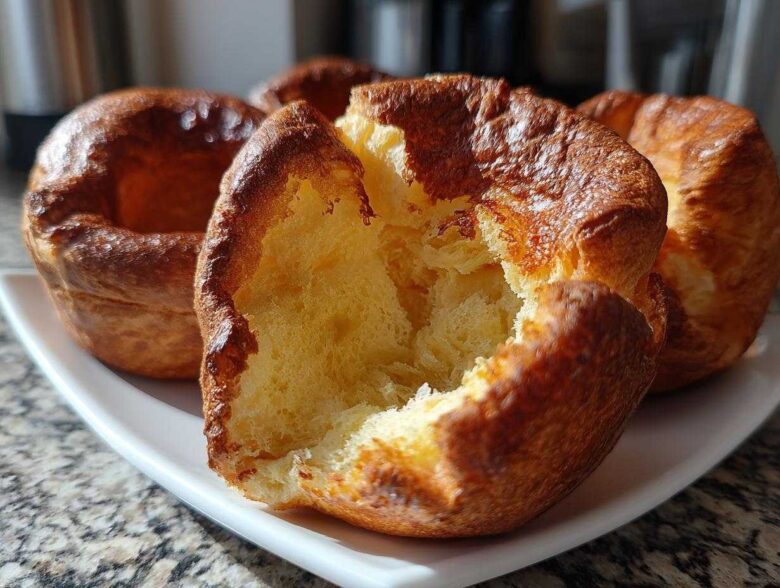
Oh, the tragedy of the flat pudding! If you’ve ever stood proudly over your Sunday roast, only to see those supposed towering, golden British delights have sunk into sad little flat discs, you know the pain. Don’t let that happen again, my friends! When I first started trying to master this Traditional British Side Dish, I nearly gave up completely. But I promise you, after years of testing in my kitchen, I cracked the code. This is my Perfect Foolproof yorkshire pudding recipe. It guarantees the crispy outside and impossibly fluffy inside every single time. Trust me, this is the one you need for your best Roast Dinner Accompaniments yet!
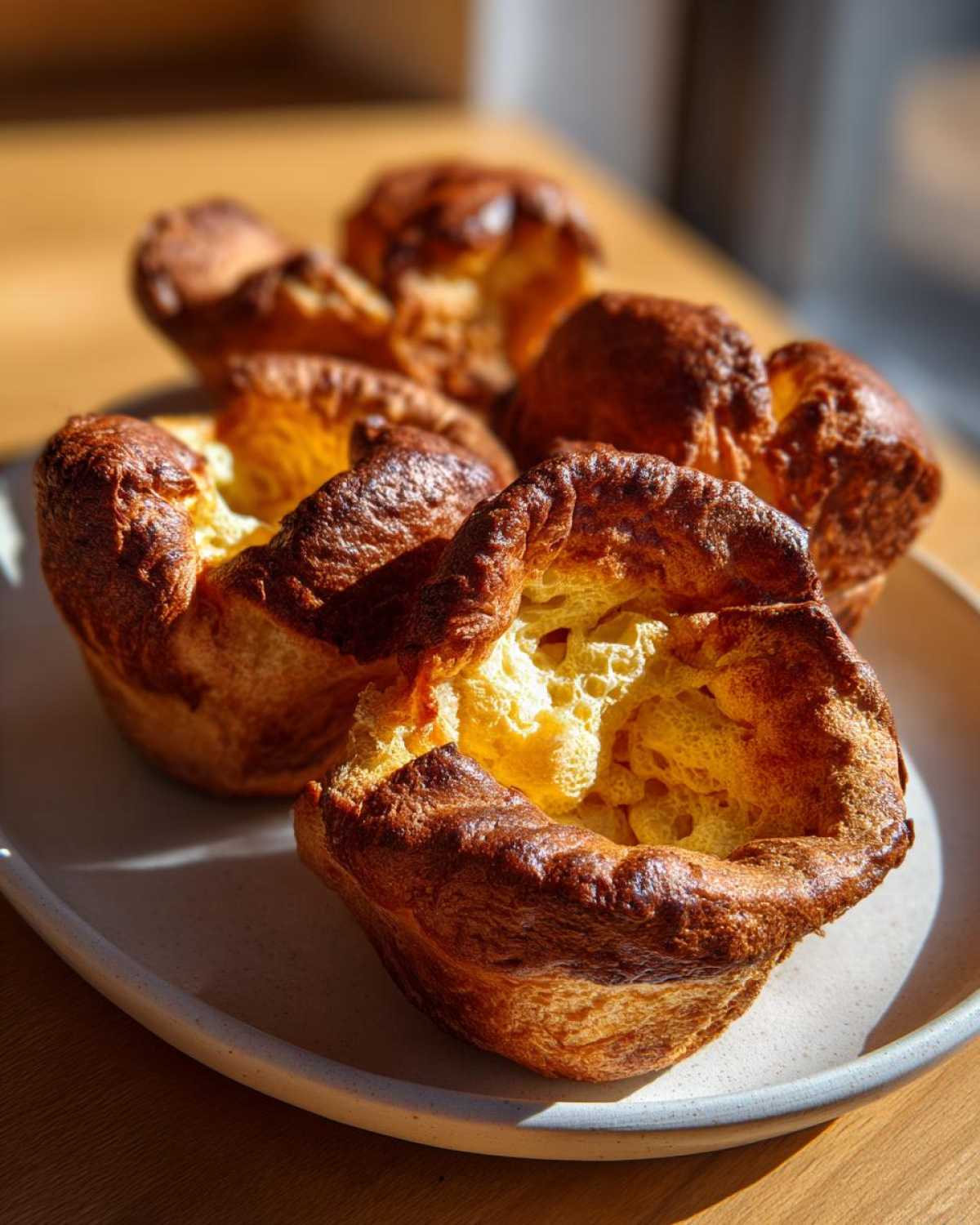
Why This yorkshire pudding Recipe Guarantees a Perfect Rise
I’m going to share the trifecta here, because making Foolproof Yorkshire Puddings isn’t about luck; it’s pure, reliable science. It boils down to three non-negotiable things: make the batter ahead of time, let it rest, and make sure your fat is screaming hot before the cold batter ever touches it. That last part was my breakthrough! My first few attempts were disasters until I realized I wasn’t heating the beef dripping nearly long enough. The “aha” moment came during a Christmas dinner prep when I let the tray sit in the oven for an extra ten minutes before pouring. The resulting rise was so dramatic, my husband thought the oven door had blown open! These Pudding Batter Secrets are what separates crispy perfection from sad, flat dough. If you want more golden results, check out my main guide on how to make Yorkshire Puddings go perfectly.
The Non-Negotiable Temperature Rule for yorkshire pudding
Listen closely, because this is where most people fail. Your oven must be blasting hot—we’re talking 450°F (230°C). Not only that, but your oil or dripping needs to be in the tin, in that hot oven, until it is shimmering and smoking lightly. That initial blast of high heat vaporizes the liquid instantly, creating steam that forces the puff! Don’t you dare open that door for the first 20 minutes, or they will collapse on you faster than you can say “gravy.”
Why Resting the Easy Yorkshire Pudding Batter Matters
We talk about cold batter hitting hot fat, but the overnight rest is just as important for those wonderfully Fluffy Yorkshire Puddings. Resting the batter lets all those little starch granules in the flour have a good long drink of milk. It also relaxes the gluten we developed while whisking. This means when they hit that smoking hot fat, they puff lighter and rise higher without fighting against tight gluten strands. This key step is central to my yorkshire pudding recipe.
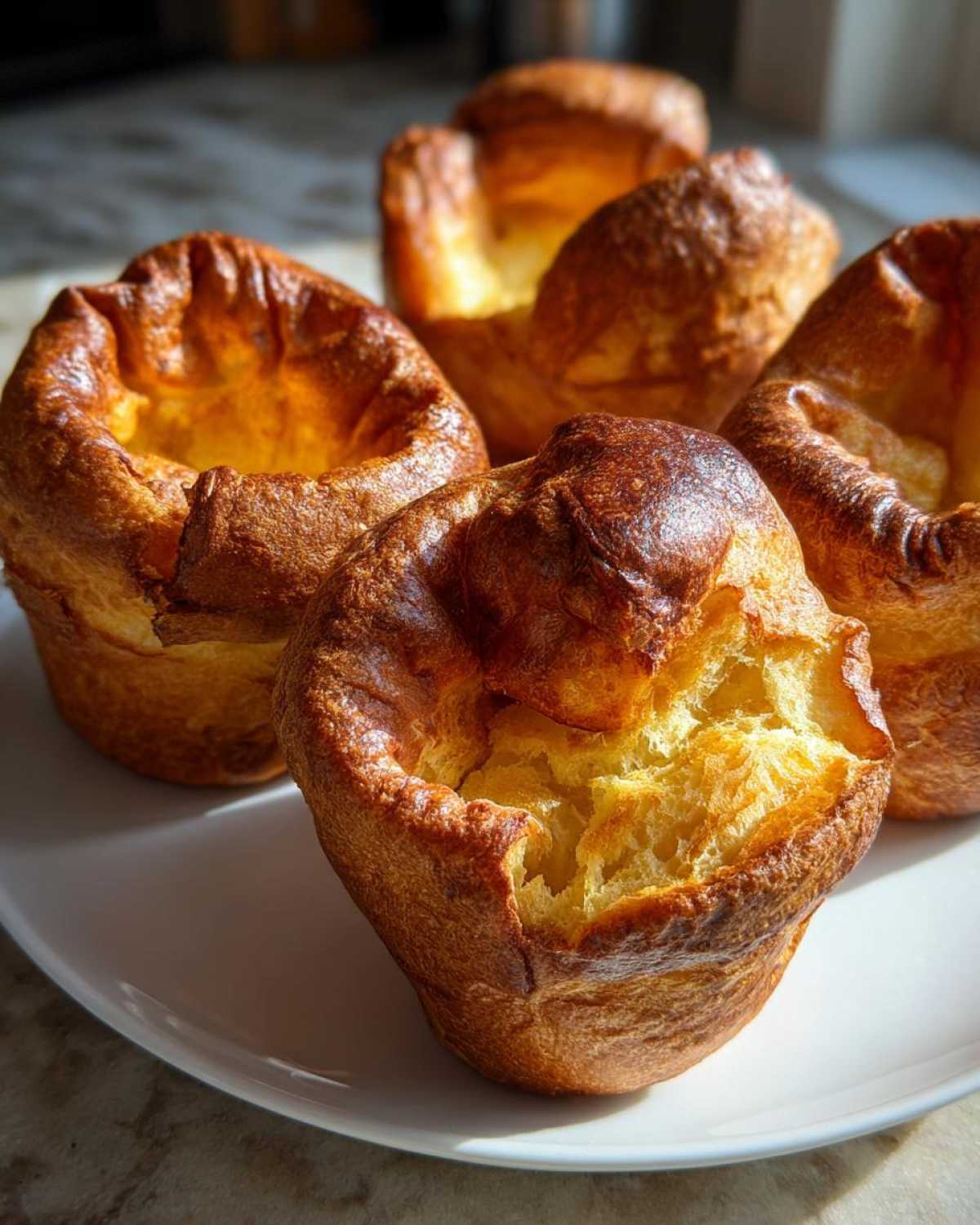
Ingredients for Your Traditional British Side Dish yorkshire pudding
Okay, let’s talk about what goes into these beauties. Honestly, the magic of a proper Yorkshire pudding is how simple the ingredients are! You likely have everything gathering dust in your pantry right now. For twelve individual puddings, you will need four large eggs, one cup of all-purpose flour, and one cup of whole milk. Don’t forget half a teaspoon of salt for seasoning. Now for my favorite bit: the fat! Traditionally, we absolutely have to use beef dripping—that rendered beef fat—because it has a smoke point that laughs in the face of high heat. That’s the authenticity speaking!
Ingredient Notes and Substitutions
While beef dripping gives you that unbeatable savory flavor that makes these puddings the ultimate Homemade British Comfort Food, I know not everyone keeps it on hand. If you must substitute, please use a neutral oil with a high smoke point, like canola or sunflower oil. Do not use olive oil; it burns too fast! Whole milk is best because the fat content helps with texture, but 2% will work in a pinch. The best part about these puddings? They are so wonderfully cheap to make, so you can whip up a massive batch for your Sunday Roast Recipes without feeling guilty at all!
How to Prepare Foolproof yorkshire puddings Step-by-Step
Alright, here is where the magic happens, and trust me, if you follow these steps exactly, you’ll be rewarded with those incredible, soaring Crispy Yorkshire Puddings. We are moving from batter creation right into that scorching oven. I’ve broken it down so you can move with confidence. If there’s one thing I learned from my early attempts, it’s that precision matters when you’re aiming for Puffy Popovers. Need a refresher on the whole process? I put together a quick guide on the Spoonful Snap blog archives, but let’s get these baked!
Mixing the Best yorkshire pudding Batter
First things first: dry ingredients into the bowl—that’s your flour and salt. Make a little volcano crater in the middle. Crack your eggs right in there. Now, grab that whisk and start incorporating the flour slowly from the sides as you beat the eggs. You want to pour the milk in bit by bit, whisking constantly until it looks perfectly silky—no lumps allowed! For the ultimate smooth finish, I always pour the whole mixture through a fine-mesh sieve right into a jug. It catches the stubborn lumps and ensures the smoothest possible batter.
Baking for Maximum Puffy Popovers
This step requires speed and nerves of steel! Before you even start mixing, that muffin tin with the beef dripping inside needs to be heating up in the 450°F oven—it needs to be ripping hot. When the oven dings, you must work fast. Carefully pull the tin out, and quickly pour the cold batter into the smoking hot fat. You’ll hear a satisfying sizzle! Immediately pop that tray back in the center rack. Seriously, don’t even peek for a full 20 minutes! If you check early, the puff will deflate, and all our hard work getting that initial steam is wasted. Patience equals puff here, or you can check out more crispy tips over at Craft Meats’ guide.
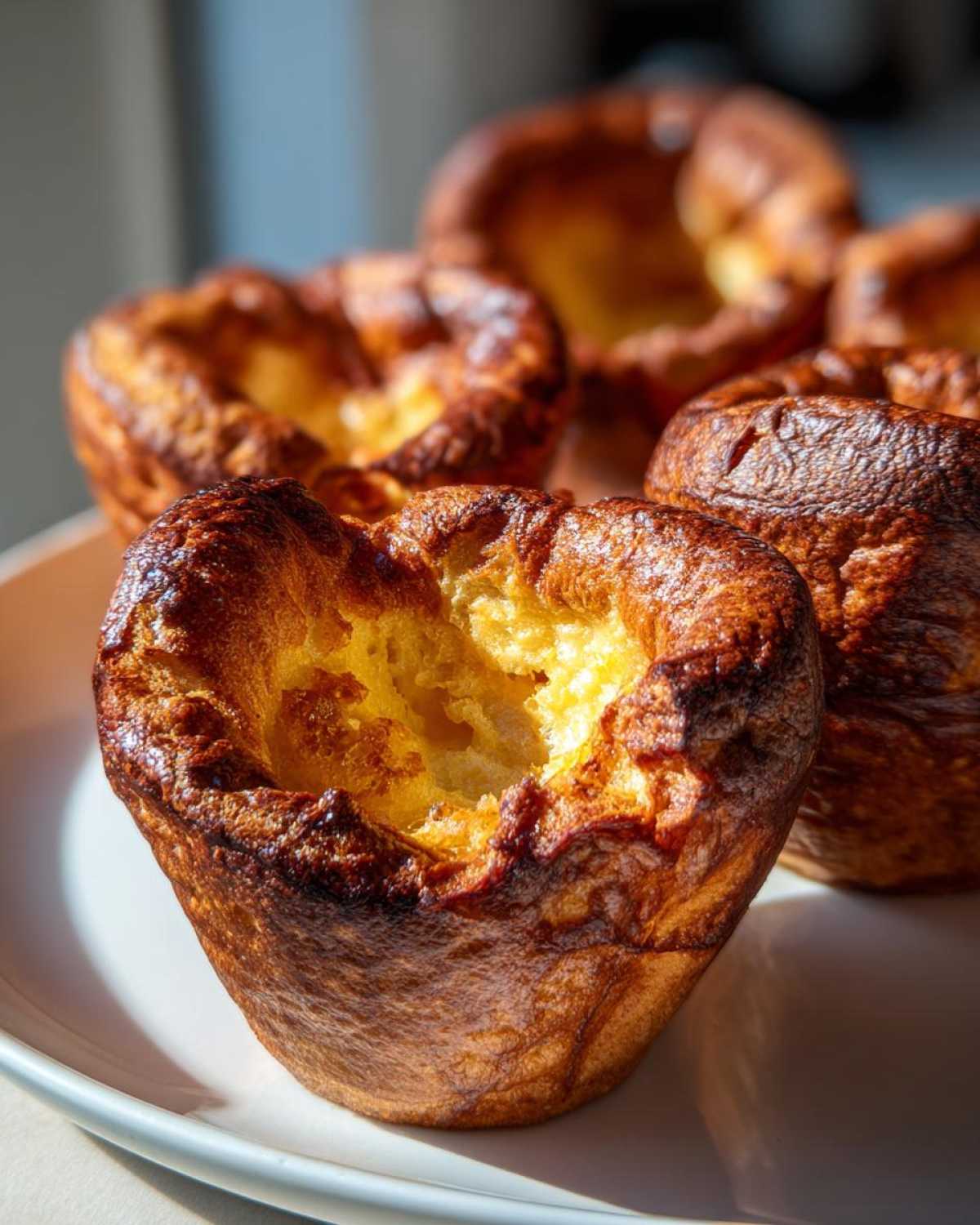
Serving Suggestions for your yorkshire pudding
Now that you have these magnificent, towering beauties, what do you do with them? Well, in my household, they are the absolute crowning jewel of any Sunday Roast Recipes! My husband, David, insists that perfectly cooked Golden Brown Puddings are non-negotiable when he makes his roast beef—it’s a classic pairing for a reason. That amazing hollow center? It’s basically a built-in gravy boat begging to be filled! Don’t skimp on the juices; these puddings are legendary for how beautifully they soak up rich, savory sauces. They elevate even the simplest meal into a proper feast. If you’re looking for another amazing side, check out my recipe for Baked Potato Casserole!
yorkshire pudding Tips and Tricks for Next Time
Even with my foolproof recipe, sometimes a little gremlin sneaks into the oven, and your beautiful puddings decide to sink right at the end. Don’t panic! These are common issues, and I want to share some of my best Yorkshire Pudding Tips and Tricks so you never have to suffer through a flat batch again. The biggest thing I notice when readers email me pictures of sad puddings is that they often try to check them too early, or they didn’t use enough fat. My grandmother always said if you see the fat barely shimmering, it’s lying to you—it needs to look like moving, liquid gold!
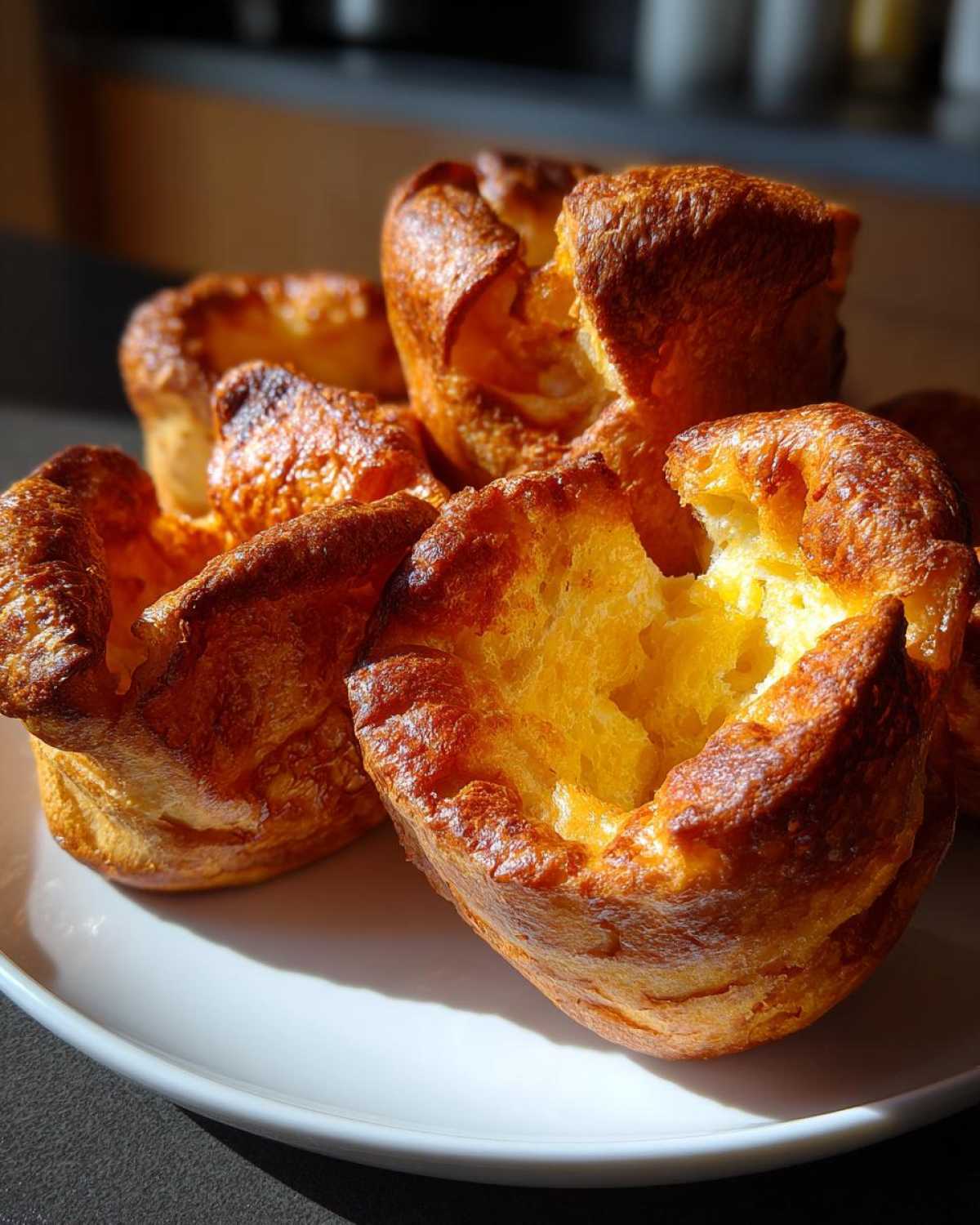
When I finally mastered the heat, things changed entirely. If your puddings aren’t browning enough, try adding a tiny splash of milk back into the batter right before you pour it—it seems backwards, but it helps achieve those lovely Golden Brown Puddings without burning the outside too quickly. If you need another great bake to try after mastering these, you must have a look at my Easy Classic Apple Cobbler Recipe! For more troubleshooting wisdom, have a peek at this great guide for perfect Yorkshire puddings every time.
Handling Variations: Individual Yorkshire Puddings vs. Large
When it comes to pan size, the science is the same, but the timing changes. For Individual Yorkshire Puddings in a muffin tin, we use about 1 teaspoon of fat per hole. If you decide to make that one giant, show-stopping Yorkshire pudding for the center of the table, you’ll need a larger tin—a 9×13 inch dish works well—and you must increase the fat to cover the entire bottom surface evenly. Remember, the more surface area, the more delicious crispy edges you get!
Addressing yorkshire pudding Variations and Dietary Needs
One of the things I love about cooking is how a classic recipe can adapt to fit everyone at the table. While my heart belongs to the traditional version using all-purpose flour, I know many of you are looking for ways to make them for family members with restrictions. If you need a Gluten Free Yorkshire Pudding version, the process is almost identical! You just need to swap out regular flour for a good quality 1:1 gluten-free flour blend. I’ve seen some great results with that substitution; just make sure you still rest that batter!
Speaking of adaptations, I always get asked if you should try following famous chefs. Yes, I’ve definitely peeked at how people like Gordon Ramsay Yorkshire Pudding recipes work! His often emphasize extremely high heat and very thin batter, which aligns with what we already know. But honestly, my grandmother’s method, which relies on that crucial resting time, feels the most like true, comforting homemade baking to me. If you’re already feeling bold, perhaps try my Cranberry Crumble Bars next!
For anyone needing that gluten-free guarantee, I highly recommend looking at the detailed tips shared over at The Scatty Mum’s guide; they really nail the texture when flour is swapped out.
Frequently Asked Questions About yorkshire pudding
I know that when you’re aiming for perfection, you always have a few lingering questions. It’s okay! We’ve all been there trying to figure out exactly How to make Yorkshire Puddings just right. I’ve pulled together some of the questions I get most often about ensuring my puddings come out towering and Crispy Yorkshire Puddings every time.
Can I use cold batter for my yorkshire pudding?
Yes, you absolutely must! I can’t stress this enough: the contrast between the cold batter hitting that smoking hot fat is the single most important factor for that dramatic, initial puff. If your batter is warm, you lose that explosive steam reaction, and they just won’t rise properly. Always chill that batter while you’re getting everything else ready for your roast!
What is the best flour for yorkshire pudding?
For this classic recipe, I stick to standard all-purpose flour. It gives the perfect balance of structure and fluff. Now, if you are obsessed with making them ultra-light—almost like a cloud—you *could* try swapping it for cake flour, which is lower in protein, but honestly, that’s getting into advanced baker territory. For simple, reliable results, just use the AP flour you have on hand. If you want another comforting dessert recipe while your puddings bake, check out my easy homemade chocolate cake!
Storage and Reheating for Leftover yorkshire pudding
What? You have leftovers? I’m honestly impressed, because these usually disappear faster than gravy at the table! If, by some small miracle, you find yourself with a few extra, don’t just toss them. Let them cool completely on a rack first—we don’t want any trapped steam making them soggy. Once cool, pop them into an airtight container. They keep beautifully for a couple of days. When it’s time to eat them again, forget the microwave! The microwave kills all crispness faster than David can eat all the leftovers. You must reheat them in a hot oven—about 375°F (190°C)—for about five to seven minutes until they are piping hot and crunchy again. Perfect for dunking into thick crockpot cowboy soup!
Estimated Nutrition for thisyorkshire pudding Recipe
Even though Yorkshire puddings feel like pure indulgence, they are actually made from very basic, humble ingredients! Here is a little breakdown of what you can expect per pudding, based on the recipe above. Remember these are estimates, because if you use beef dripping instead of oil, the numbers shift a tiny bit!
- Serving Size: 1 pudding
- Calories: 150
- Fat: 8g
- Carbohydrates: 15g
- Protein: 6g
I always tell people not to stress too much over these numbers when it comes to Roast Dinner Accompaniments—the joy they bring to the table is worth far more than the calories! These figures are estimates, so your final count might vary slightly based on your exact ingredients.
PrintThe Perfect Foolproof Yorkshire Pudding: Crispy Outside, Fluffy Inside

Make light, airy, and perfectly crisp Yorkshire puddings every time. This traditional British side dish is simple to prepare and ideal for your Sunday roast or holiday dinner.
- Prep Time: 10 min
- Cook Time: 25 min
- Total Time: 35 min
- Yield: 12 individual puddings
- Category: Side Dish
- Method: Baking
- Cuisine: British
- Diet: Vegetarian
Ingredients
- 4 large eggs
- 1 cup all-purpose flour
- 1 cup whole milk
- 1/2 teaspoon salt
- 1/4 cup beef dripping or vegetable oil (for the tin)
Instructions
- Combine the flour and salt in a large bowl. Make a well in the center.
- Crack the eggs into the well. Begin whisking the eggs, gradually incorporating the flour from the sides.
- Slowly pour in the milk while continuously whisking until you have a smooth, lump-free batter, similar in consistency to thin cream.
- Pour the batter through a fine-mesh sieve into a jug or bowl to remove any remaining lumps. This step helps create a smoother texture.
- Cover the batter and let it rest in the refrigerator for at least 30 minutes, or up to several hours. Resting is key for a good rise.
- Preheat your oven to 450°F (230°C). Place a 12-hole muffin tin or a large roasting tin into the oven while it preheats.
- Once the oven is hot, carefully remove the hot tin. Add about 1 teaspoon of beef dripping or oil into each cup. The fat must be smoking hot.
- Quickly and carefully pour the cold batter into the hot fat, filling each cup about one-third full. Work fast to keep the heat in the tin.
- Immediately place the tin back into the center of the hot oven. Do not open the oven door for at least 20 minutes.
- Bake for 20 to 25 minutes, or until the puddings are deeply golden brown, very crisp, and dramatically puffed up.
- Serve immediately with your roast dinner and gravy.
Notes
- The secret to tall Yorkshire puddings is very hot fat and a cold batter. Do not skip the resting time for the batter.
- If you are making one large Yorkshire pudding, use a 9×13 inch baking dish and increase the fat slightly.
- For the best flavor, use beef dripping (tallow) instead of vegetable oil.
- If you want individual Yorkshire puddings, use a standard 12-hole muffin tin.
Nutrition
- Serving Size: 1 pudding
- Calories: 150
- Sugar: 2
- Sodium: 150
- Fat: 8
- Saturated Fat: 3
- Unsaturated Fat: 5
- Trans Fat: 0
- Carbohydrates: 15
- Fiber: 1
- Protein: 6
- Cholesterol: 75