

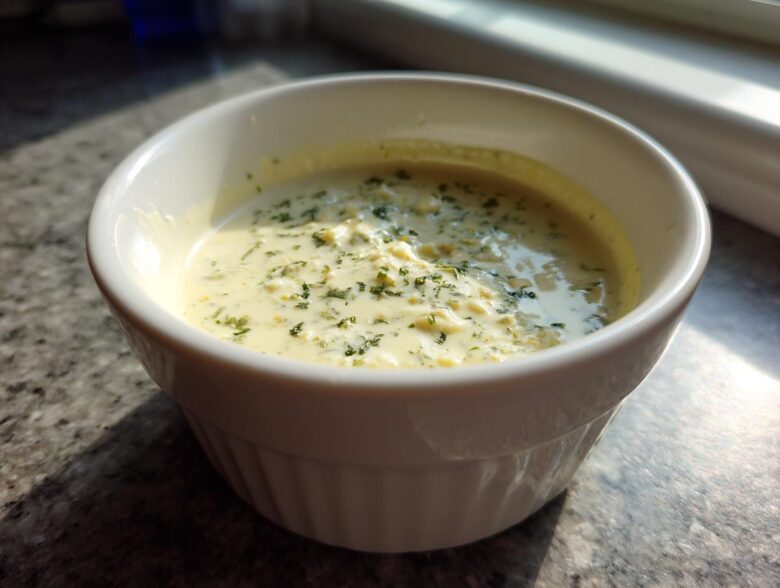
Oh my gosh, you know that feeling? You’re sitting at home, maybe making spaghetti, and suddenly you just NEED that iconic, creamy, zesty salad that comes before every meal at Olive Garden? I’ve been chasing that perfect zing for ages, and trust me, I’ve finally nailed it. Stop buying bottles off the shelf! We are making the definitive Copycat Olive Garden Salad Dressing right here, right now. I spent an entire weekend testing vinegar ratios until my husband finally stopped pointing at the bowl and just sighed contentedly. This version is spot on, and it’s shockingly simple once you know the secret combination of tang and herb dust.
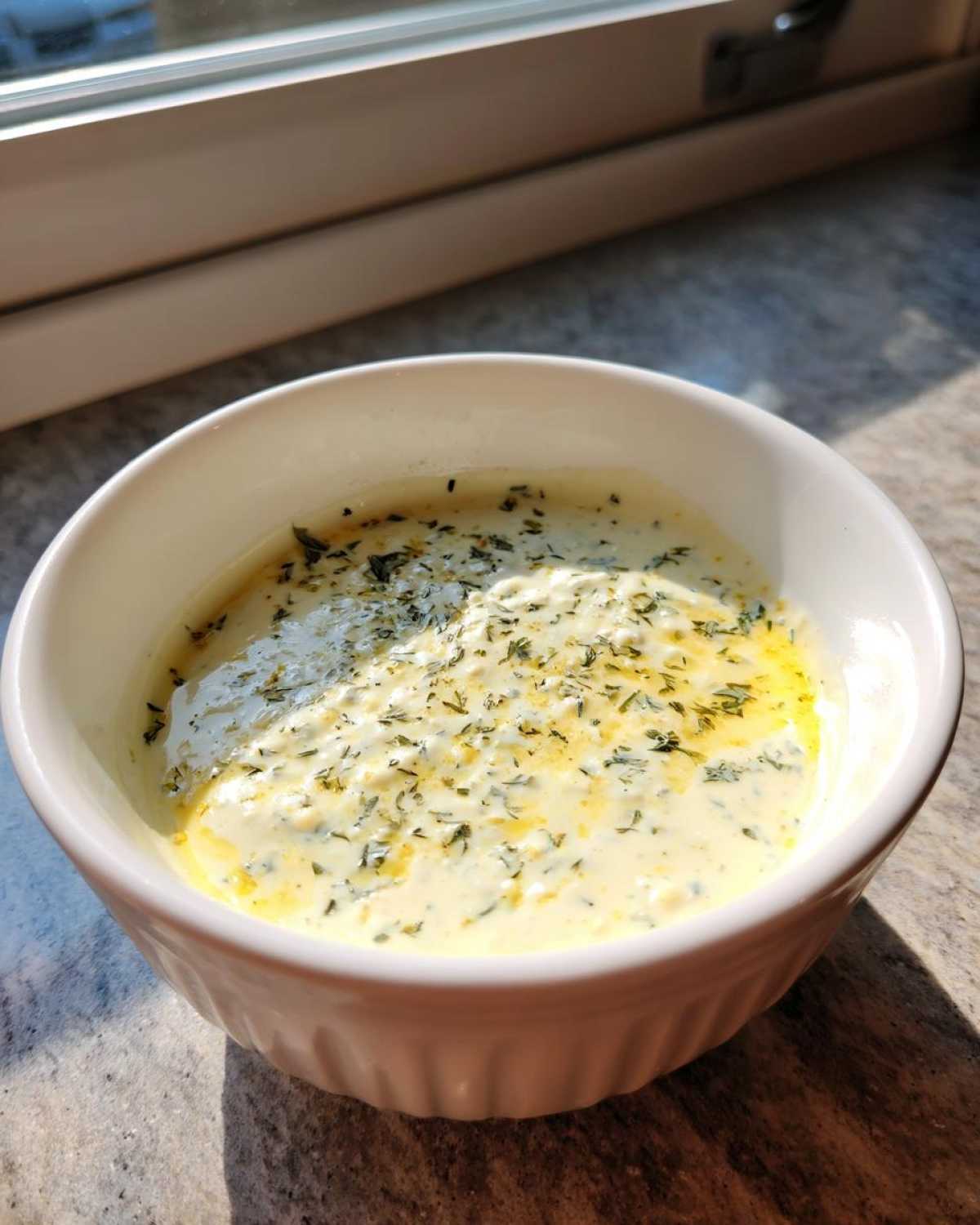
If you’re also obsessed with making the whole menu at home, you absolutely must check out how I make the alfredo sauce next; it really completes the experience! Grab the creamy alfredo recipe here.
Why This Copycat Olive Garden Salad Dressing Tastes Authentic
It’s not just a creamy Italian dressing; it’s an *experience*, right? That huge bowl of iceberg lettuce suddenly tastes gourmet because of the dressing. What makes this Copycat Olive Garden Salad Dressing so spot-on is how we balance the sweet, the sour, and the savory. Every restaurant has a trick, and ours is all about respecting the simple building blocks.
- The perfect creamy emulsion that doesn’t break the second you look at it.
- A punch of herbs that tastes fresh, even when dried.
- That distinct, slight savory background note that keeps you coming back for seconds.
The Role of Vinegar and Sugar in the Tangy Salad Dressing Base
You cannot fake the tang in this dressing! It’s the white wine vinegar that provides that sharp, clean note that cuts through the oil. But if you just used vinegar, it would be too harsh. We balance it perfectly with just a tiny bit of sugar. This combination creates the signature tangy salad dressing base that makes the whole thing sing. Don’t skimp on the sugar, seriously—it’s there to temper the power of the vinegar!
Achieving Authentic Flavor in Your Copycat Olive Garden Salad Dressing
Okay, now for the real secret weapon for that Authentic Olive Garden flavor: MSG. I know, I know, but trust me here. Just a tiny pinch of Monosodium Glutamate amplifies the savory notes of the oregano and garlic powder in a way that salt just can’t replicate. If you absolutely refuse, you can skip it, but understand the flavor profile will lean more toward standard Italian. The dried herbs need time to rehydrate in the oils and vinegar, which brings me to the next vital step—patience!
Gathering Ingredients for the Best Copycat Salad Dressing
I love recipes where I look in my pantry and realize I have everything already! That’s the beauty of making this Copycat Olive Garden Salad Dressing at home. We don’t need fancy specialty store items, just a few pantry staples and some good dried herbs. Once you see this list, you’re going to want to make a double batch, I promise, especially since you can use the base mix for other things, just like the folks over at Snap Spoonful do with their Caesar dressing if you ever need a different salad fix. Keep reading for the exact measurements!
Ingredient Clarity for Perfect Copycat Olive Garden Salad Dressing
Precision matters when you are chasing a famous flavor. You need exactly this amount of oil and water to hit that perfect balance between creamy and pourable. Remember, the Parmesan has to be grated—not the powdery stuff from the green can, please! We need the real deal for that sharp, salty hit we all look for in our Salad dressing with Parmesan cheese.
- 1/2 cup vegetable oil
- 1/2 cup water
- 1/4 cup white wine vinegar
- 1 tablespoon sugar
- 1 teaspoon dried oregano
- 1 teaspoon dried basil
- 1/2 teaspoon salt
- 1/4 teaspoon black pepper
- 1/4 teaspoon garlic powder
- 1/4 teaspoon onion powder
- 1/4 teaspoon MSG (optional, but that’s the magic dust!)
- 1/4 cup grated Parmesan cheese
How to Make Olive Garden Dressing Recipe Homemade Step-by-Step
Alright, this is the execution phase, and it couldn’t be easier. Forget complicated whisking over a double boiler or reaching for specialized equipment. To get the Olive Garden dressing recipe homemade perfected, we’re using the good old-fashioned jar method. It takes less than five minutes of active work, but where you put the effort is what counts!
First, get all those dry flavors—the oregano, basil, garlic, onion powder, salt, pepper, and the sneaky MSG if you’re using it—into your jar. Then, top it off with the liquids: water, white wine vinegar, sugar, and the vegetable oil. Now, here’s my pro tip for getting a real emulsion every time, just like those amazing garlic aiolis I love making: I always put the oil in *last*. This seems to help the jar seal and mix a tiny bit better when I really put my shoulder into it.
Mixing and Emulsifying Your Creamy Italian Dressing Recipe
Put the lid on super tight—we don’t want splashes on the ceiling! Now, shake, shake, shake! You need to shake it like you mean it for a solid minute until everything looks uniform and creamy, not like oil floating on top of vinegar. You’re looking for a stable mixture that stays combined for a few seconds after you stop moving it. If you use a bowl, whisk relentlessly! It’s all about forcing that water and oil to be friends for a little while.
Resting Time for Maximum Flavor in Your Copycat Olive Garden Salad Dressing
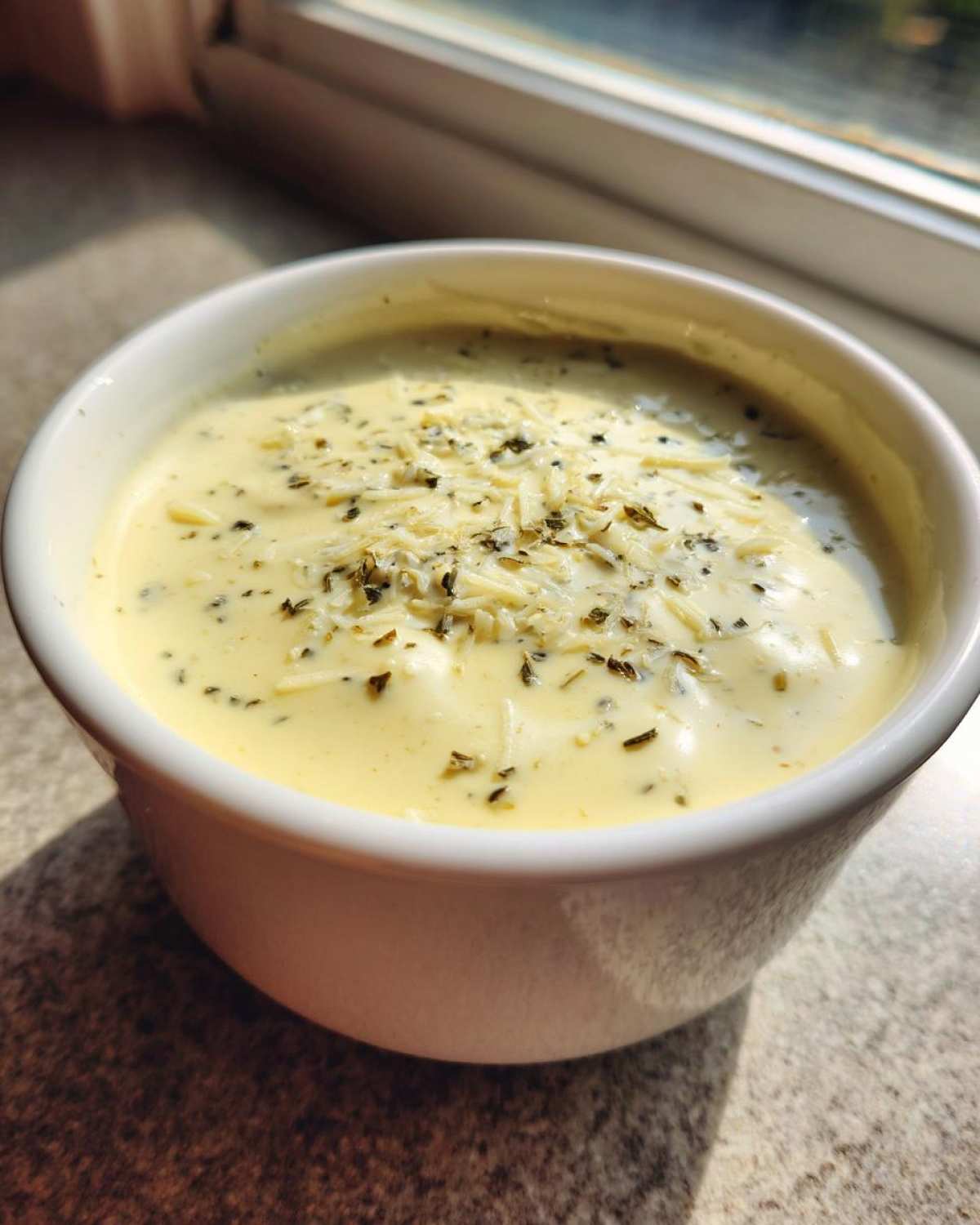
Once it looks beautiful and emulsified, you stir in that grated Parmesan cheese. Then, you have to walk away. This is the hardest part of making Copycat Olive Garden Salad Dressing, I swear! The recipe notes say chilling for at least 30 minutes before serving, but honestly, I find it tastes a million times better if it chills alongside the rest of my dinner prep—say, three or four hours. That slow-down time lets those dried herbs really plump up and share all their lovely flavor goodness with the oil and vinegar base.
Tips for Success with Homemade Restaurant Style Dressing
Even though this is the Homemade restaurant style dressing you’ve been craving, you still have room to tweak it to your liking! I found that the water ratio is the biggest variable depending on what you’re serving it with. If you want something super thick that clings perfectly to those famous breadsticks, try cutting the water back to just ¼ cup. It makes a difference!
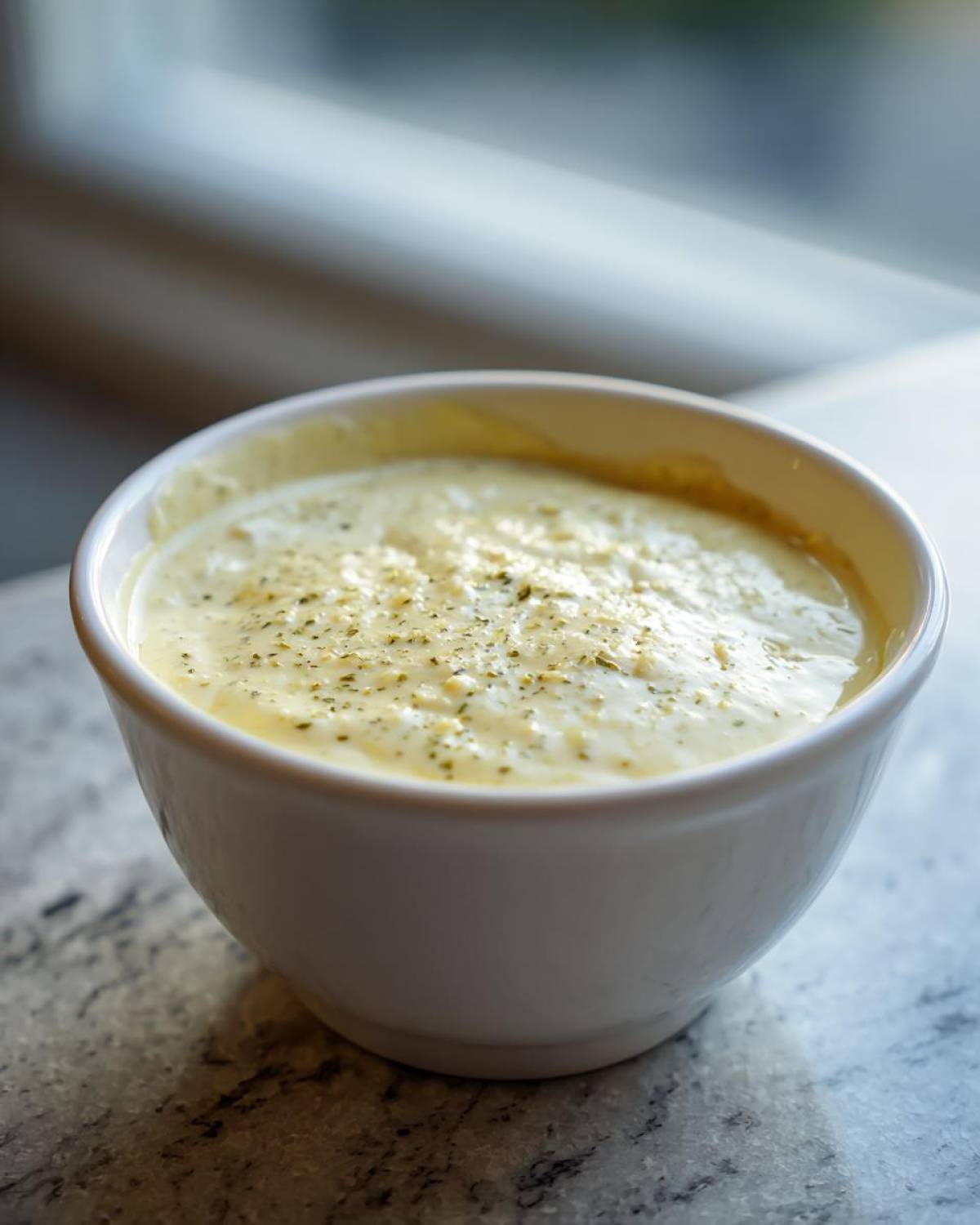
Also, let’s talk vinegar swaps. I built this specific recipe around the bright flavor of white wine vinegar. If you only have apple cider vinegar on hand, go ahead and use it, but definitely taste it first. Cider vinegar is usually a bit fruitier and less sharp than wine vinegar, so your dressing might end up tasting slightly sweeter. Or, you could use less sugar to compensate. It’s all about learning to taste and adjust!
If you’re looking for other easy shortcuts for your kitchen staples, I have a rundown on how I mix up my favorite dry dressings that you might love for things other than just lettuce. Trust me, having a great dry mix ready to go saves so much time later.
Storage and Serving Suggestions for Copycat Olive Garden Salad Dressing
Now that you’ve made this phenomenal batch of Copycat Olive Garden Salad Dressing, you’re going to want to guard it with your life! Since this is a vinaigrette that uses water and oil, we absolutely have to keep it refrigerated. Pop that jar right back into the fridge. It lasts really well, usually about two weeks if you’re diligent about keeping it cool. Seriously, give it a good shake before every use because the oil and vinegar will separate when it sits—that’s totally normal for this homemade version.
Of course, pairing this with lettuce is the classic move, but honestly, I find myself using this dressing for everything! It’s amazing drizzled over roasted potatoes or used as a marinade for chicken. The best suggestion, though? Use it generously on your side salad when you devour homemade Italian breadsticks! That’s when you really feel like you’re sitting in the restaurant. This is definitely the star of the show when serving up your Salad dressing for Italian breadsticks.
Variations: Making a Low Carb Olive Garden Dressing Version
I get asked all the time how to modify great recipes for different diets, and since this dressing is so simple, adapting it for a Low carb Olive Garden dressing version is shockingly easy! The main hurdle here is that teaspoon of sugar we added to balance the acidity of the white wine vinegar. If you are cutting carbs or sugar, that’s the first thing to tackle.
My best advice is to simply *omit* the sugar entirely. Taste it first—sometimes the robust flavor of the herbs and the salt is enough to satisfy you, especially when paired with some of the great lasagna recipes out there, like this one I found that keeps things low-carb.
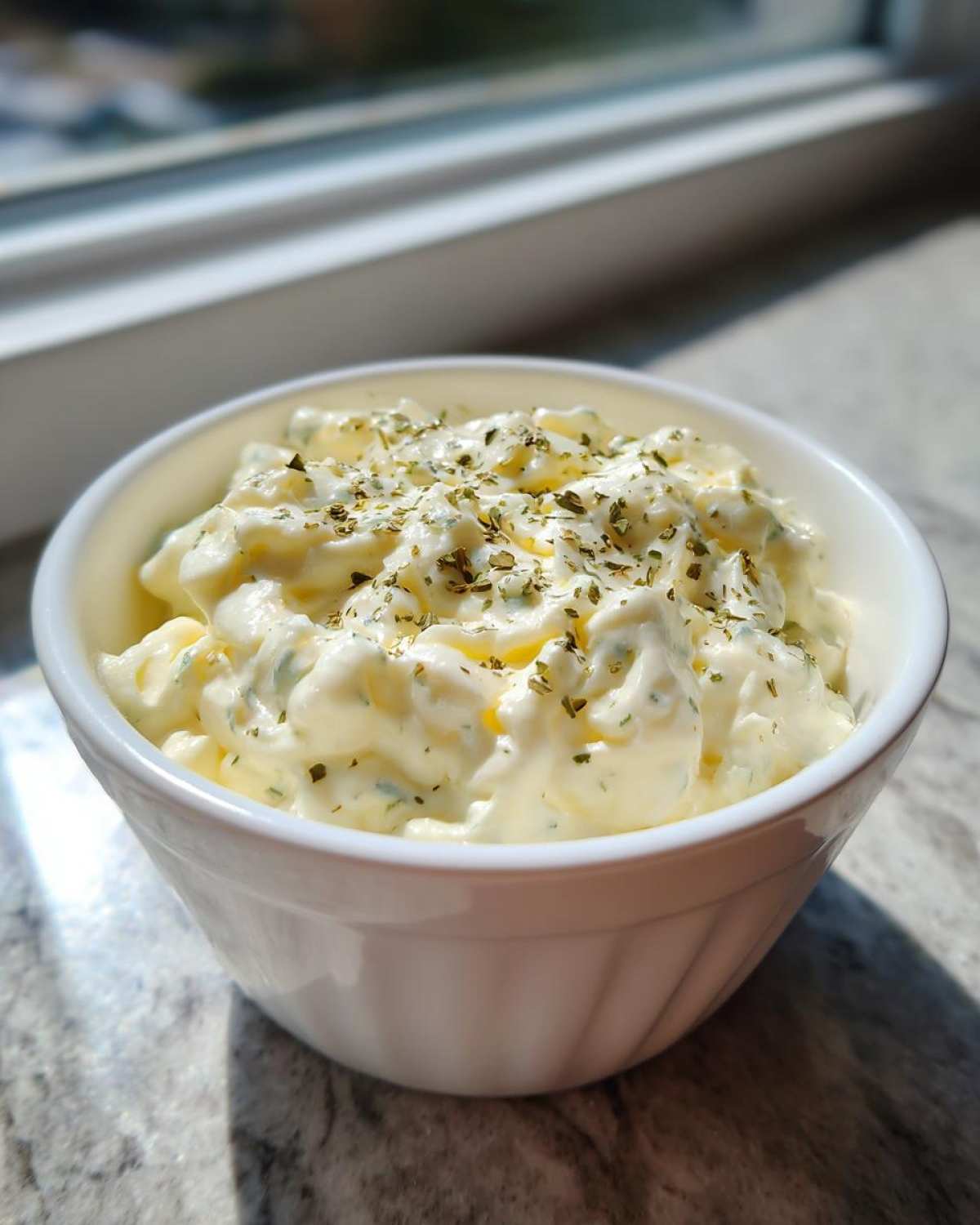
If you just can’t handle that sharp vinegar hit without the sugar, try substituting it with a non-caloric sweetener like monk fruit or stevia, just a tiny pinch to start. You might also slightly increase the amount of grated Parmesan cheese, as the fat and salt will help mask any perceived sharpness in the vinaigrette. It might not be 100% exactly Restaurant style, but it will still be tangy and delicious!
Frequently Asked Questions About This Zesty Vinaigrette Recipe
It’s funny how many questions pop up once you start messing with a classic recipe! Even though this is a super simple Zesty vinaigrette recipe, people always want reassurance on a few key points. I’ve gathered the questions I get most often from friends who are trying to make famous salad dressing at home for the first time. And look, if you’re ever looking for ways to incorporate those great flavors into a main dish instead of just dressing, you might want to check out this amazing low-sugar dish I found!
Can I make this dressing without MSG?
Yes, absolutely! You can definitely make this dressing without it—it’s just optional for that extra layer of savory depth. If you skip the MSG, the flavor will still be fantastic because the dried oregano and basil really shine through. You might just find it leans a little harder toward a traditional Creamy Italian dressing recipe, but it will still be way better than anything bottled!
How long does this homemade dressing stay fresh?
Since this recipe contains water and no extra preservatives, we have to keep it chilled. Stored tightly sealed in the fridge, I find this dressing stays absolutely perfect for about two weeks. After that, it’s not that it goes bad instantly, but the oil can start to separate weirdly, and the herbs might lose some of their punch. Always give it a good hard shake before serving it on your greens!
What is the best way to make this a thicker dressing?
That’s an easy fix right from the recipe notes! If you want that thick, creamy quality, you simply need to reduce the water content slightly. Instead of the full ½ cup of water listed, try starting with just ⅓ cup. That will make the mixture naturally cling more to your lettuce leaves. Alternatively, a little extra oil helps smooth it out without affecting the tang too much, especially if you are preparing it for those amazing breadsticks!
Nutritional Estimates for This Tangy Salad Dressing
So, you’re worried about what’s really in your homemade magic sauce? I totally get it. Since we are controlling every single ingredient that goes into this gorgeous tangy salad dressing, we know exactly what we’re dealing with! These numbers are just an estimate, mind you—your brand of oil or the type of Parmesan you use can shift things a little bit.
But for a standard two-tablespoon serving size, here is what you are looking at:
- Calories: About 110
- Fat: 11g
- Carbohydrates: 2g
- Protein: 1g
- Sugar: 2g
- Sodium: 250mg
Because we aren’t loading it up with commercial stabilizers and emulsifiers, these homemade figures are usually much easier to measure and understand. Enjoy your guilt-free drizzle!
Share Your Homemade Restaurant Style Dressing Creations
Making the Copycat restaurant favorites this good deserves a round of applause! Seriously, I want to hear from you. Did this bring you right back to your last dinner at the OG? Please take a second to leave a rating below—five stars if you’re dreaming about it tonight! And don’t forget to pop into the comments and tell me what you served it with. I’m always looking for new ways to use this amazing sauce!
If you loved learning how I torture myself to get the right flavor profile, feel free to learn a little more about me and my kitchen adventures over at the About Us page!
PrintCopycat Olive Garden Salad Dressing
Make a creamy, tangy dressing at home that tastes just like the signature Olive Garden salad dressing.
- Prep Time: 5 min
- Cook Time: 0 min
- Total Time: 35 min
- Yield: About 1 1/4 cups
- Category: Condiment
- Method: Shaking/Mixing
- Cuisine: American
- Diet: Vegetarian
Ingredients
- 1/2 cup vegetable oil
- 1/2 cup water
- 1/4 cup white wine vinegar
- 1 tablespoon sugar
- 1 teaspoon dried oregano
- 1 teaspoon dried basil
- 1/2 teaspoon salt
- 1/4 teaspoon black pepper
- 1/4 teaspoon garlic powder
- 1/4 teaspoon onion powder
- 1/4 teaspoon MSG (optional, for authentic flavor)
- 1/4 cup grated Parmesan cheese
Instructions
- Combine the vegetable oil, water, white wine vinegar, sugar, oregano, basil, salt, pepper, garlic powder, onion powder, and MSG (if using) in a jar or bowl.
- Secure the lid tightly on the jar or cover the bowl.
- Shake or whisk the mixture vigorously until it is well combined and emulsified.
- Stir in the grated Parmesan cheese.
- Refrigerate the dressing for at least 30 minutes before serving to allow the flavors to blend.
- Shake or whisk again before using.
Notes
- For a thicker dressing, reduce the amount of water slightly.
- You can substitute apple cider vinegar for white wine vinegar if needed, but the flavor will change slightly.
- This dressing tastes best after it has chilled for several hours.
Nutrition
- Serving Size: 2 tablespoons
- Calories: 110
- Sugar: 2
- Sodium: 250
- Fat: 11
- Saturated Fat: 2
- Unsaturated Fat: 9
- Trans Fat: 0
- Carbohydrates: 2
- Fiber: 0
- Protein: 1
- Cholesterol: 5