

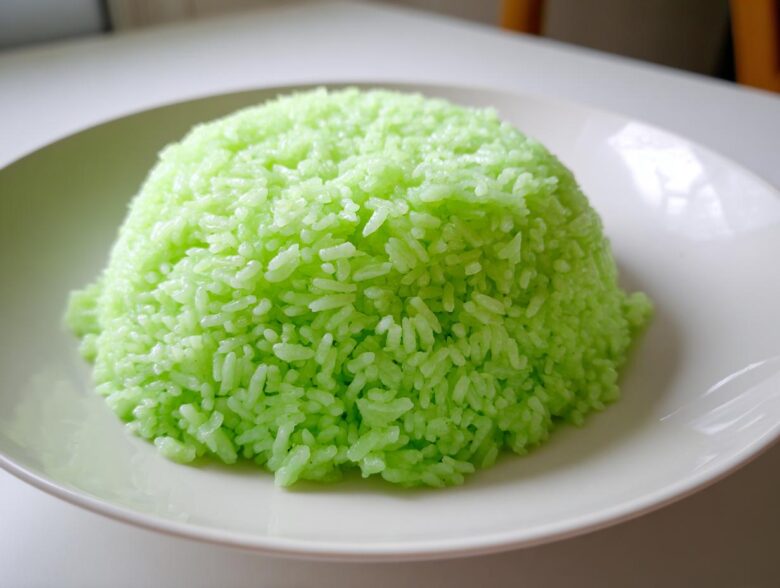
Oh my gosh, you have to smell my kitchen right now! There’s nothing quite like that sweet, grassy perfume hitting you when you’re cooking Southeast Asian food, right? If you’re tired of plain white rice boring up your amazing curries, then you are in the right place. This recipe for **Pandan Coconut Rice** is my secret weapon for taking any dinner from zero to tropical paradise! Trust me, getting the ratio of that creamy coconut milk just right is key to keeping it perfectly fluffy—not sticky—so it soaks up every drop of sauce from your favorite smothered chicken. Rinsing the rice properly is non-negotiable, but I promise, it’s so easy!
Why This Pandan Coconut Rice Recipe Works So Well
Listen, I’ve messed this up plenty of times, ending up with either gummy mush or crunchy centers. But this combination? It’s foolproof! This particular **Pandan Coconut Rice** is designed to be used as a savory side, so we nail the fluffy texture every single time.
- Consistent, vibrant green color thanks to the extract/paste measurement.
- The aroma is beautifully subtle, never overpowering the main dish.
- It holds its shape perfectly for stacking or serving on a platter.
Achieving the Perfect Texture for Pandan Coconut Rice
The secret to making this the best coconut rice variation isn’t just the pandan; it’s the liquid ratio! For a fluffy, savory side dish—not a sweet dessert—you need less milk than you might think. We use a combination of full-fat coconut milk and water.
This two-to-one liquid-to-rice ratio ensures the starches cook evenly. The fat from the coconut milk coats the grains just enough to keep them separate when fluffed, which is exactly what you want when serving this alongside spicy curries!
Ingredients for Authentic Pandan Coconut Rice
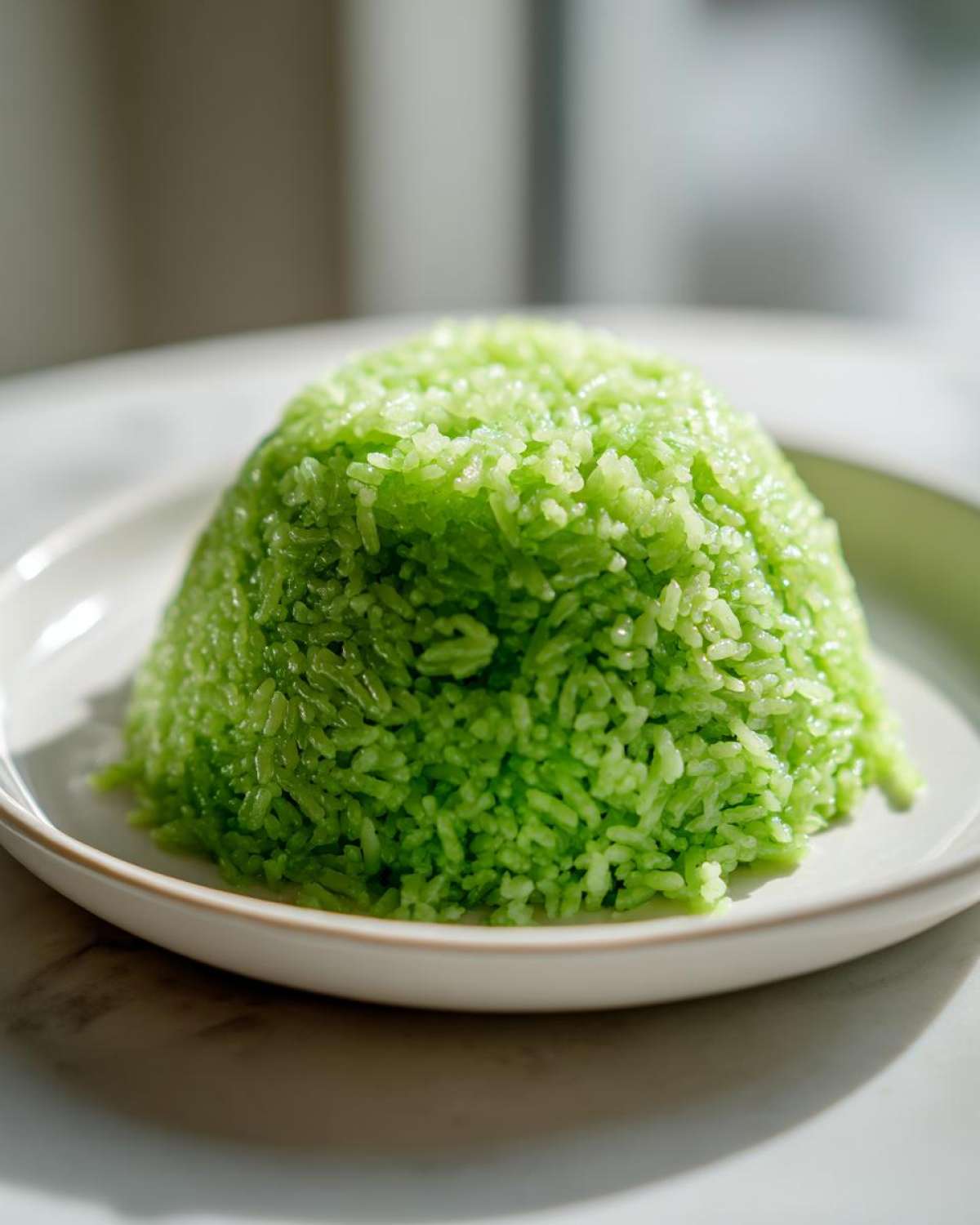
Okay, gather your bits and pieces! Since this is designed to be an Easy Pandan Rice Recipe for Beginners, I keep the ingredient list short and sweet, but the quality matters. You absolutely need jasmine rice—it holds the liquid beautifully. Don’t skimp on the full-fat coconut milk, either; that’s where all the richness comes from! We use two cups of rice, which gets us about four substantial servings of this delicious, fragrant rice. Remember to grab your salt and sugar too; they balance out the coconut!
- 2 cups long-grain white rice (jasmine recommended)
- 1 (13.5 oz) can full-fat coconut milk
- 1 cup water
- 1 teaspoon salt
- 1 tablespoon granulated sugar
- 2 teaspoons pandan extract or paste (adjust for desired color intensity)
- 4 pandan leaves, knotted (optional, for extra aroma)
If you’re planning on whipping up my moist coconut cake later, you’ll see that using high-quality coconut makes a huge difference there too!
Choosing Your Pandan Flavor Source
This is a big decision for your Pandan Coconut Rice! If you want bright green, consistent color quickly, go for the extract or paste. It’s super convenient. But, if you want that deep, incredible, authentic aroma that fills the whole house, use fresh pandan juice—you make it by blending the leaves with a little water and straining it. I usually use extract for weeknight meals but pull out the fresh leaves for company because nothing beats that homemade aroma!
Step-by-Step Instructions for Easy Pandan Rice Recipe for Beginners
This is where the magic happens, and honestly, if you can cook rice, you can nail this Pandan Coconut Rice. It’s really that straightforward! The first thing I absolutely insist you do is rinse your jasmine rice under cold water until it runs totally clear. No cloudy water allowed! That gets rid of extra starchiness which is essential for fluffy grains.
- First things first: Rinse that rice under cold running water until the water looks clear, then drain it really well.
- Grab your pot—either a saucepan for the stovetop or your trusty rice cooker pot. Toss in the drained rice, your can of full-fat coconut milk, water, salt, and that sugar we talked about.
- Now for the color! Stir in the pandan extract or paste until the entire liquid bath is one lovely, even shade of green.
- If you’re using the knotted pandan leaves for extra aroma, drop those in now, too!
- Cook it however you usually cook rice until all that gorgeous liquid is gone and the rice is tender.
- This next part is crucial, don’t cheat! Once it’s done, leave the lid on and let it rest for a full 10 minutes. This steaming time finishes the cooking process.
- Finally, pull out those aromatic leaves and gently fluff the rice with a fork. You’ve done it! If you want to read up on how I manage this for my rice pudding recipe, check out my tips there!
Cooking Method Variations for Pandan Coconut Rice
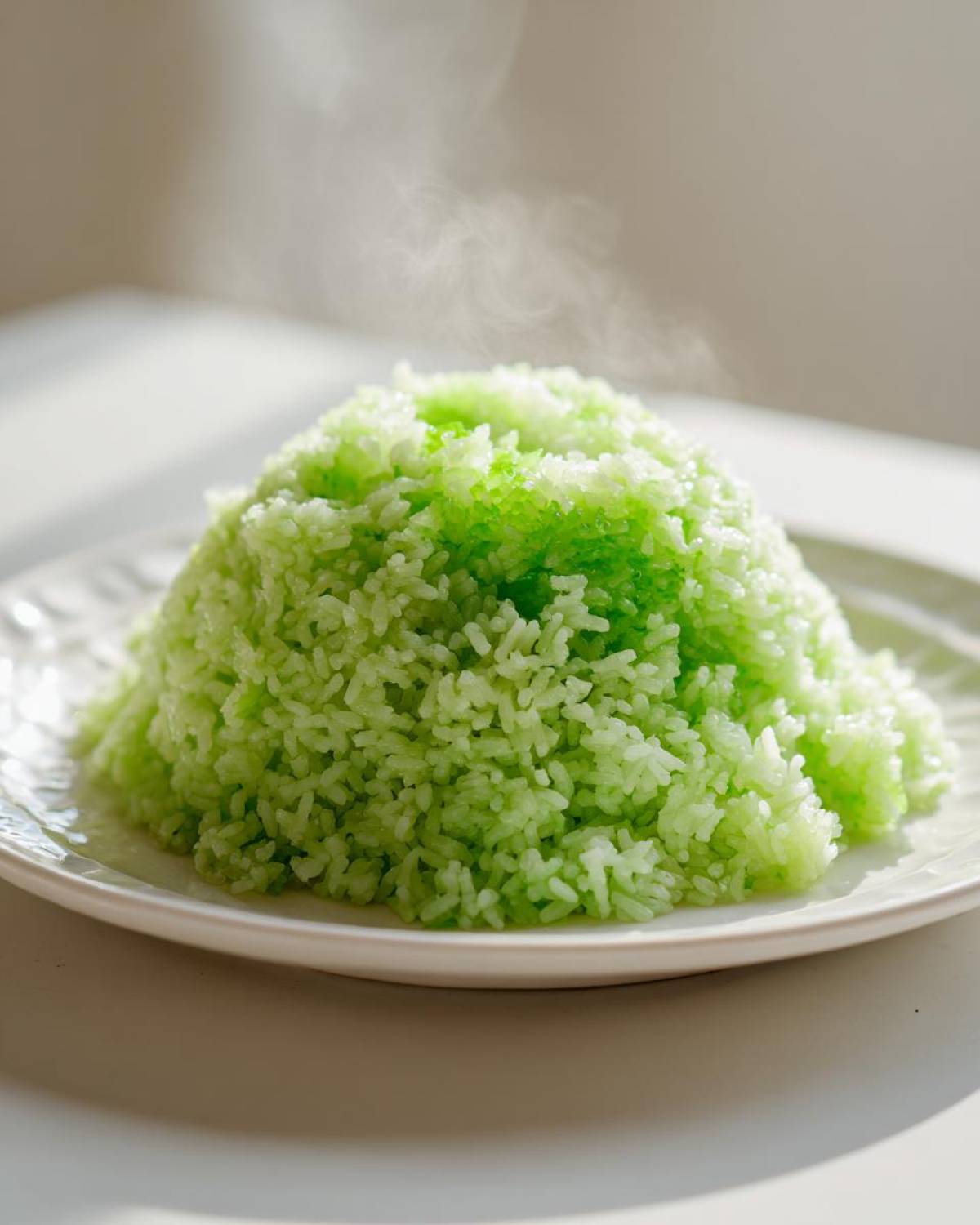
Whether you use a stovetop or a rice cooker, the important part of making this Pandan Coconut Rice stays the same: rinsing the rice and getting that liquid ratio right. If you use a rice cooker, just dump everything in, press the button, and walk away—it’s built for you! On the stovetop, you bring it to a simmer, then immediately drop the heat down to the absolute lowest setting, cover tightly, and let that steam do the work.
Tips for Success When Making Aromatic Rice Recipes Southeast Asian Style
Making Pandan Coconut Rice is easy, but making it *perfect* requires just a couple of little tricks I’ve learned through trial and error. The absolute biggest mistake people make is skipping the resting time after cooking. Seriously, don’t lift that lid for the full ten minutes! That trapped steam finishes cooking the core of the grain and guarantees fluffy rice, not that weird crunchy-on-the-bottom mess.
Another thing I always do, and my grandmother taught me this for *all* her rice dishes, is to check the texture right before fluffing. If it seems just a bit tight, add a splash of hot water—not cold!—and cover it again for five more minutes. It steams it perfectly back to life. If you struggle with one-pot meals in general, you might look at my tips for one-pot beans and rice for general technique ideas!
Savory Pandan Rice Side Dish Ideas and Serving Suggestions
So, what do you eat with this gorgeous green fluff?
Since this is my savory version of the Pandan Coconut Rice, it begs to be paired with strong, flavorful mains. Seriously, this rice is the perfect foil for something rich and spicy. I absolutely love serving it alongside a creamy, vibrant curry—like a good Thai green curry or maybe even my Jamaican Curry Chicken.
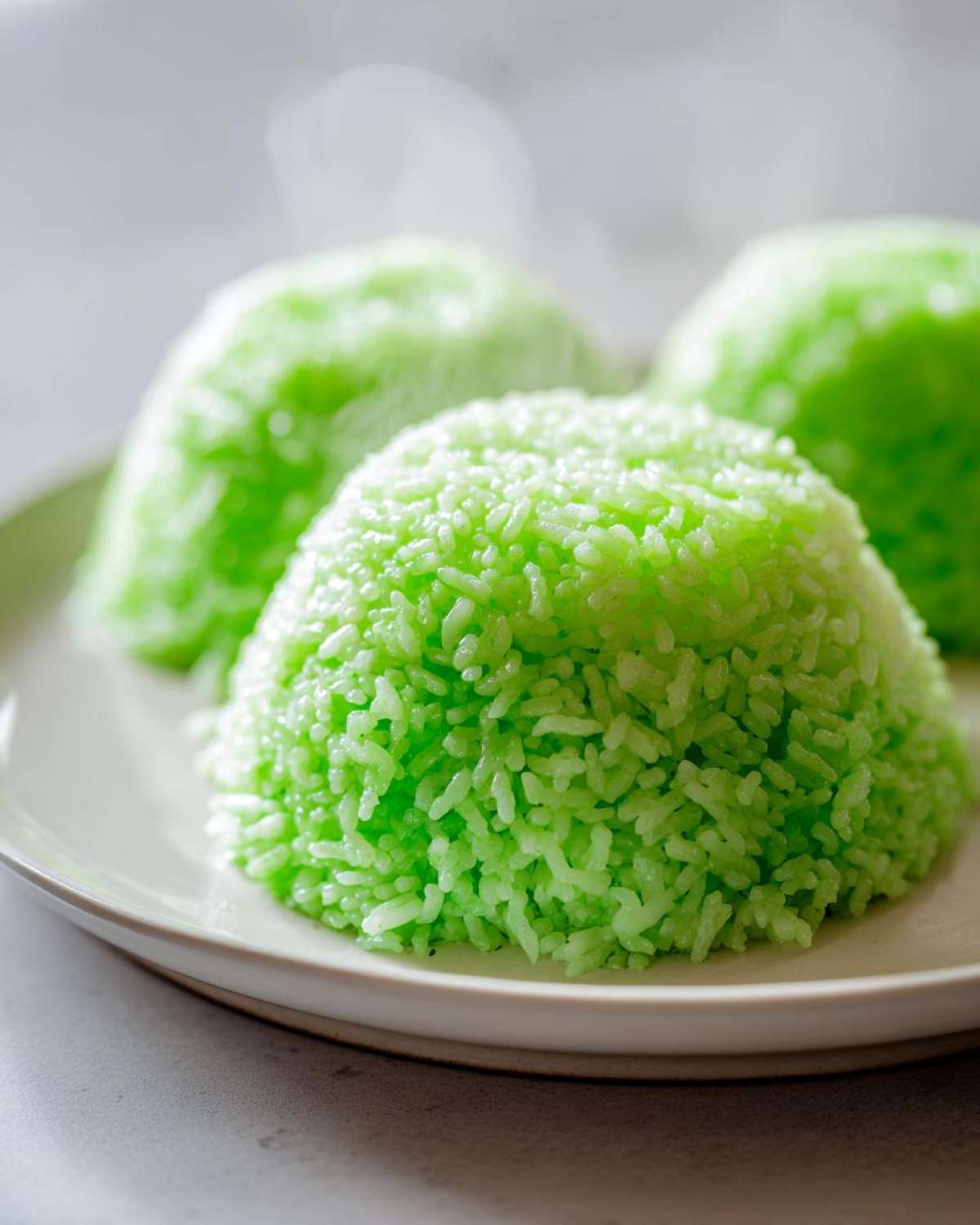
It’s also phenomenal paired with simply grilled fish or chicken where the lime and char contrast the sweet aroma of the pandan. Trust me, it elevates everything!
Storage and Reheating Instructions for Leftover Coconut Milk Rice
The great thing about this Coconut Milk Rice is that it actually tastes even better the next day, once those flavors have really settled in! Pop any leftovers into an airtight container as soon as they cool down a bit—don’t leave cooked rice sitting out for hours, you know the drill.
When you reheat it, the trick is moisture. Microwave a serving with a tiny splash of water added right on top, then cover it tightly with a damp paper towel. This steams the rice back to life so it’s not dry and sad. It warms up perfectly in about 45 seconds!
Frequently Asked Questions About Pandan Coconut Rice
I know when you start cooking with new ingredients like pandan, you end up with a hundred little questions buzzing in your head! I’ve pulled together the most common ones about this Aromatic Rice Recipes Southeast Asian dish to make sure your first batch is perfect.
Can I use Glutinous Rice with Pandan and Coconut Milk Recipe?
You totally can, but you’ll get a very different result! If you use glutinous rice, you are making the sticky version, which leans more toward being a dessert or a very different kind of Nasi Lemak rice. For this specific Savory Pandan Rice Side Dish, stick to jasmine rice for that fluffy texture that separates nicely after cooking.
How to Make Green Flavored Rice Without Artificial Dye?
That gorgeous color is entirely natural, thank goodness! We achieve it using pandan extract or paste, which is concentrated pandan flavor and color, sold in most Asian markets. If you want to skip that completely, the best way to Make Green Colored Rice Naturally is by blending fresh pandan leaves with a tiny bit of water and straining that liquid through cheesecloth before adding it to your saucepan.
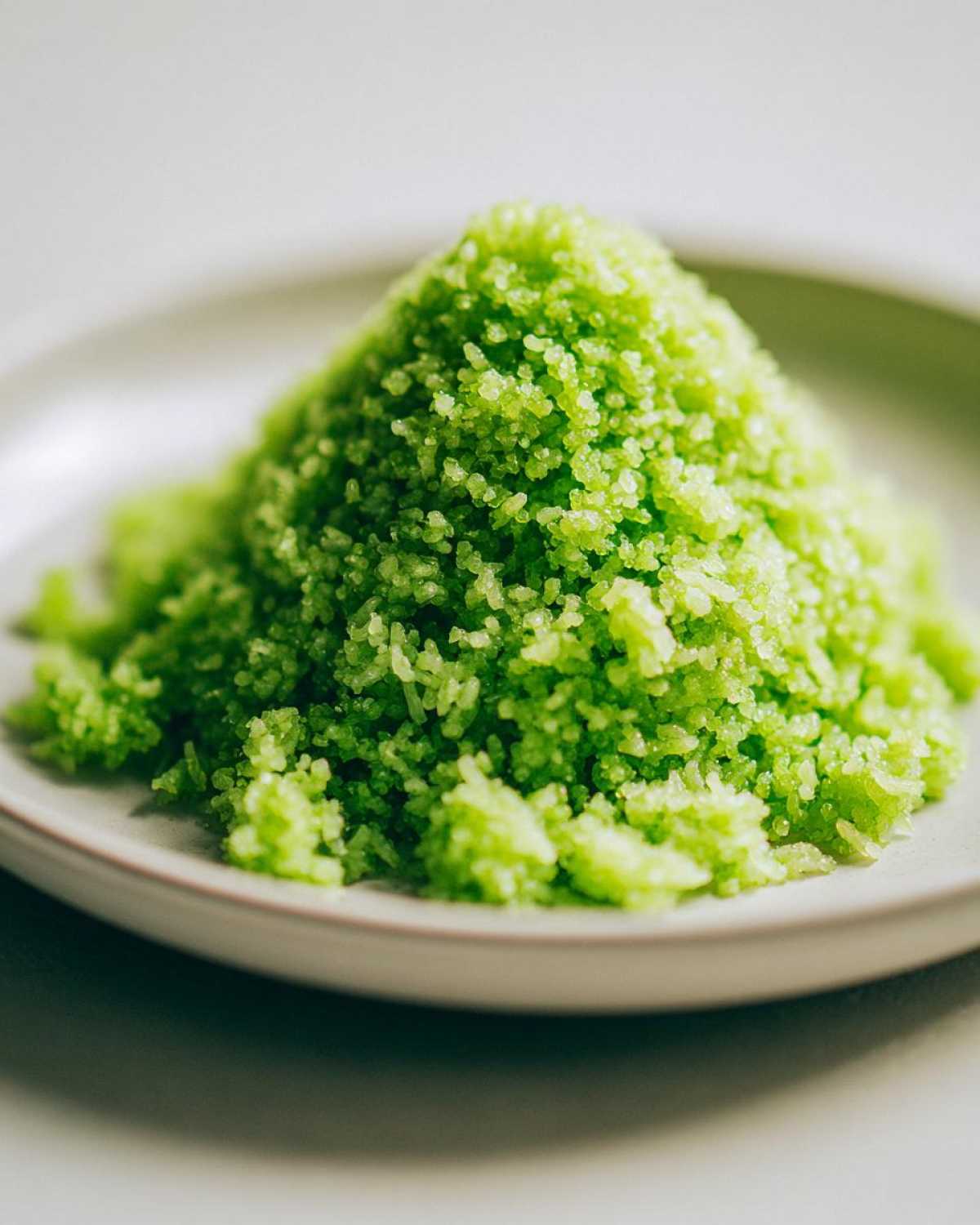
It’s a little more work, but the resulting Homemade Pandan Rice Aroma is unbelievable. If you’re trying to figure out other baking tips, check out my main recipe index!
Estimated Nutritional Data for Pandan Coconut Rice
Okay, so because we are using full-fat coconut milk and sugar, this isn’t exactly a diet food, but wow, is it worth it! These numbers are just *estimates* based on the ingredients list, and they can swing a little depending on the brand of coconut milk you grab. Generally, one cup of this savory rice will run about 350 calories, giving you around 15 grams of fat and 48 grams of carbs. Remember, this is meant to be a side dish, so enjoy it!
Share Your Tropical Flavored Rice Dishes Experience
Now, the best part! I absolutely live to hear how you all get on with my recipes. Have you made this Pandan Coconut Rice for a special meal yet?
Did you use fresh pandan juice or the extract? Tell me if you paired it with grilled shrimp or maybe a rich beef rendang—I need new ideas for next week!
Jump into the comments below and leave a rating if you loved how fluffy this green rice turned out! I’m always checking in to offer advice or just cheer you on. If you need to ask me a specific question about the process, you can always get in touch over at my contact page. Can’t wait to see your beautiful bowls of tropical flavored rice!
PrintAromatic Pandan Coconut Rice
Prepare fluffy, fragrant rice infused with the distinct aroma and green color of pandan leaves, perfect as a side dish for savory Southeast Asian meals.
- Prep Time: 10 min
- Cook Time: 25 min
- Total Time: 35 min
- Yield: 4 servings
- Category: Side Dish
- Method: Stovetop or Rice Cooker
- Cuisine: Southeast Asian
- Diet: Vegetarian
Ingredients
- 2 cups long-grain white rice (jasmine recommended)
- 1 (13.5 oz) can full-fat coconut milk
- 1 cup water
- 1 teaspoon salt
- 1 tablespoon granulated sugar
- 2 teaspoons pandan extract or paste (adjust for desired color intensity)
- 4 pandan leaves, knotted (optional, for extra aroma)
Instructions
- Rinse the rice under cold running water until the water runs clear. Drain well.
- In a medium saucepan or rice cooker pot, combine the rinsed rice, coconut milk, water, salt, and sugar.
- Stir in the pandan extract or paste until the liquid is evenly colored green.
- If using, add the knotted pandan leaves to the liquid.
- Cook the rice using your preferred method (stovetop or rice cooker) according to standard rice cooking instructions until all liquid is absorbed and the rice is tender.
- Once cooked, let the rice rest, covered, for 10 minutes without lifting the lid.
- Remove the knotted pandan leaves before serving. Fluff the rice gently with a fork.
Notes
- For a stronger, more natural aroma, use fresh pandan juice instead of extract; blend 6-8 fresh leaves with 1/4 cup water and strain.
- If the rice seems too dry after resting, add one tablespoon of hot water and let it sit for five more minutes before fluffing.
- This rice pairs well with grilled chicken, fish curries, or as the base for Nasi Lemak.
Nutrition
- Serving Size: 1 cup cooked
- Calories: 350
- Sugar: 3
- Sodium: 300
- Fat: 15
- Saturated Fat: 13
- Unsaturated Fat: 2
- Trans Fat: 0
- Carbohydrates: 48
- Fiber: 1
- Protein: 5
- Cholesterol: 0