

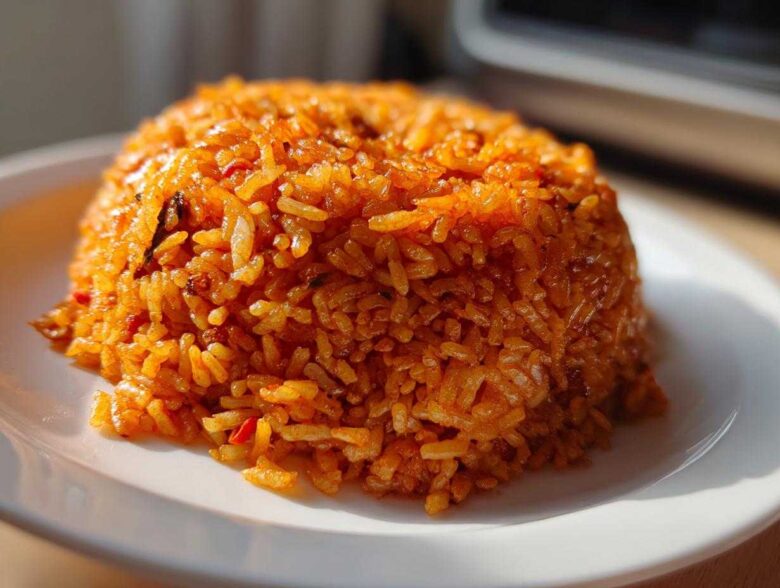
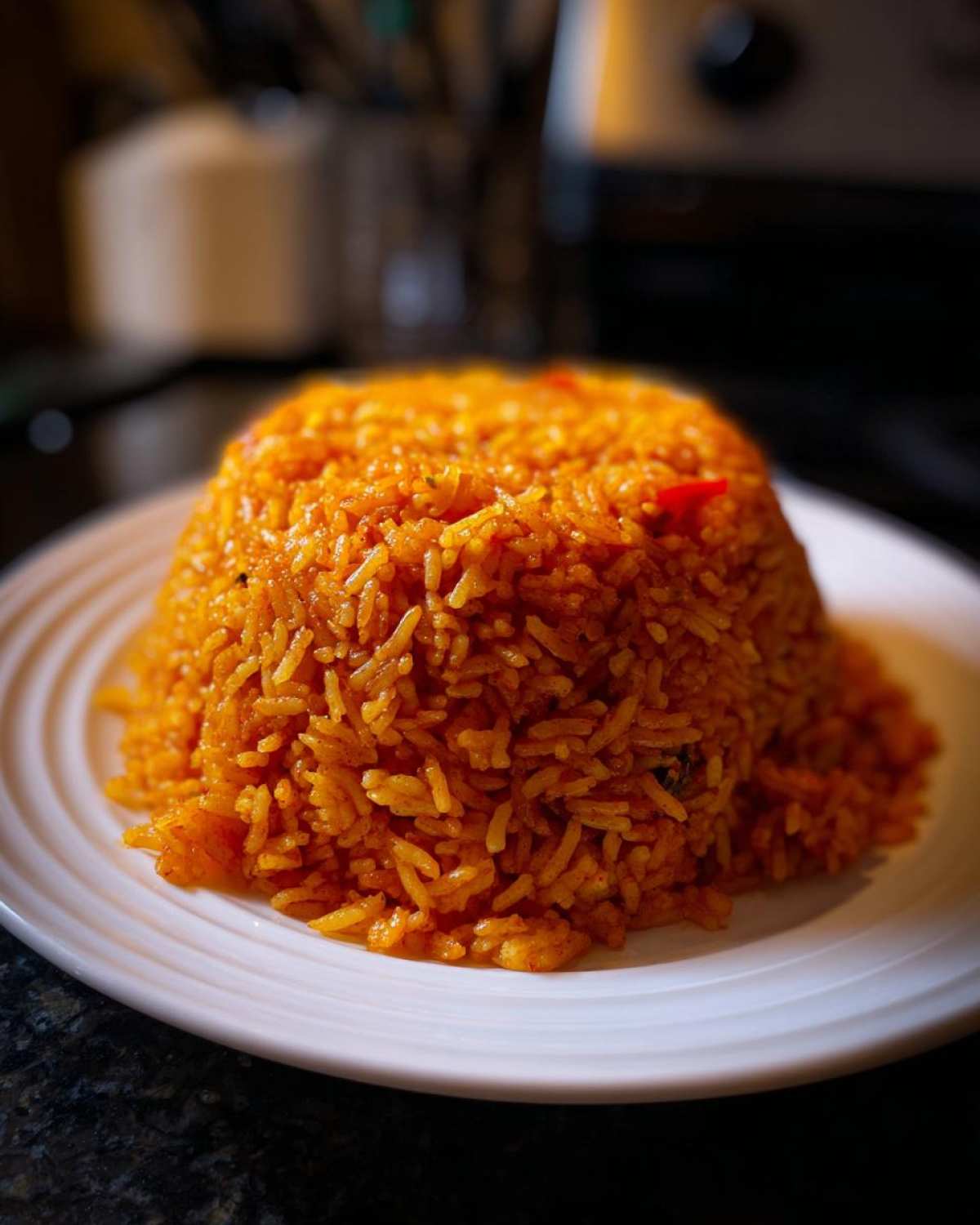
Forget everything you think you know about simple rice dishes, because we are diving headfirst into the most iconic, glorious, and downright essential creation to come out of West Africa: jollof rice! If you’ve ever been to a celebration in Nigeria, you know that the party doesn’t officially start until that bright red, deeply flavorful pot hits the table. I spent years chasing that perfect, smoky, deep-orange hue, tasting batch after batch until I finally cracked the code.
This isn’t just any recipe; this is my tried-and-true method for the Ultimate Smoky Nigerian Party Jollof Rice, designed to give you that unmistakable flavor of a massive, perfectly cooked outdoor rice pot, right on your stovetop. Trust me, once you master this technique, you’re going to be the MVP of every potluck!
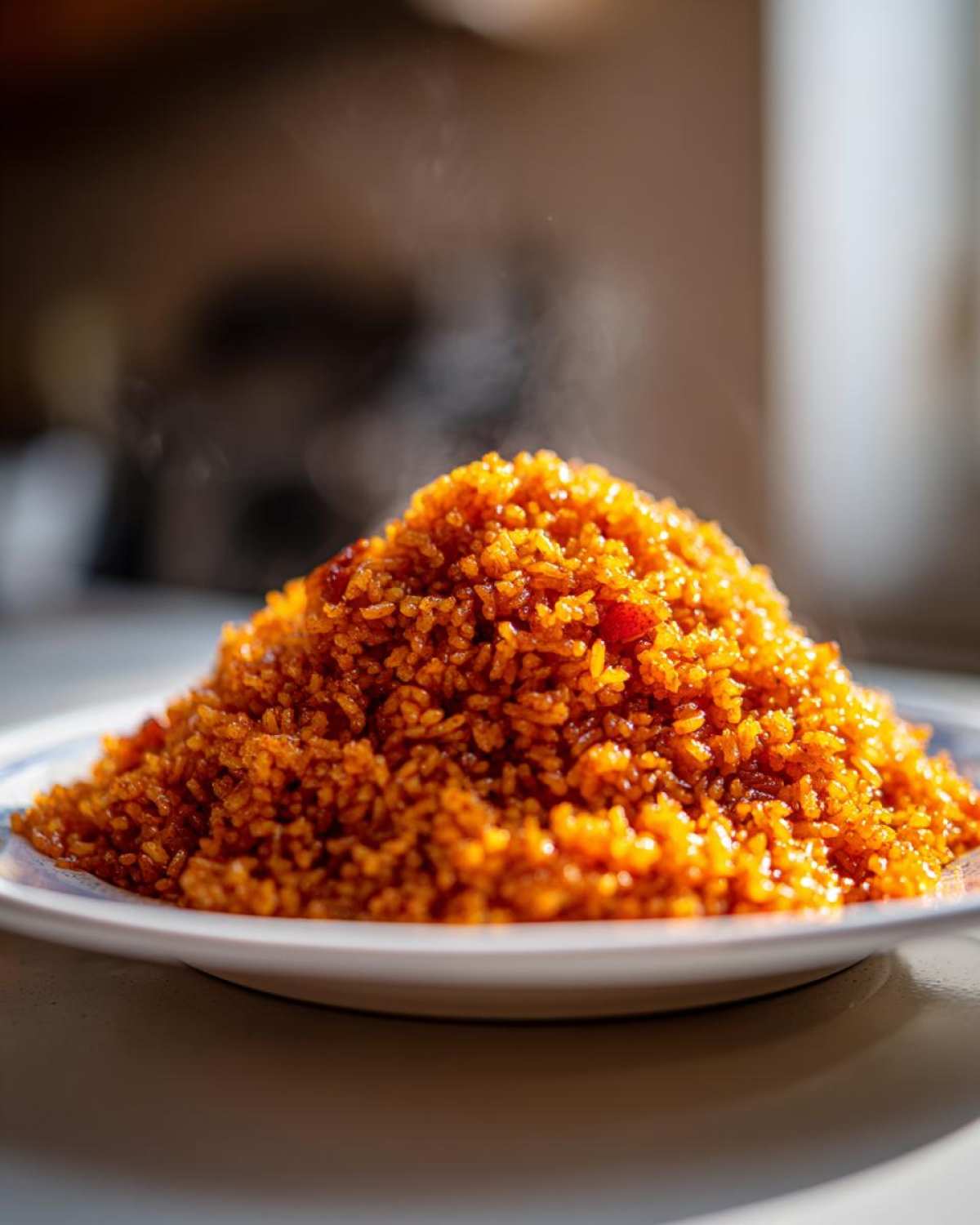
Why This Ultimate Smoky Nigerian Party Jollof Rice Recipe Works
You can’t just dump ingredients in a pot and call it Authentic Jollof Rice, oh no. This recipe bypasses the watery, bland versions you sometimes end up with because we respect the base layer and we respect the steam! It’s all about building deep flavor before the rice even hits the pot. I’ve put a lot of work into perfecting this system, which you can read more about over on my main cooking philosophy page.
Here’s why this method consistently delivers that crave-worthy, Smoky Jollof Rice:
- It prioritizes getting the sauce aggressively flavorful before we add the rice.
- We use a tight seal technique to steam the rice perfectly, ensuring it’s fluffy and cooked through.
Achieving Authentic Party Jollof Rice Flavor
The absolute non-negotiable step that separates good jollof from legendary jollof is frying the tomato paste. You need to cook it down with the blended peppers until it turns a deep, almost brick-red color and you can smell that slightly bitter, caramelized scent. That means you’ve cooked out the raw sourness. Then, we simmer that entire pepper base until it’s super thick. Any extra liquid left at this stage is just going to turn your rice into a mess later, so don’t rush this part!
The Secret to Fluffy Jollof Rice Texture
Texture is everything in this West African Rice Dish! That’s why I insist on long-grain parboiled rice. It holds its structure so much better than regular long-grain rice. Make sure you rinse it until the water runs totally clear—that washes off excess starch that makes the final dish gummy. Then, when setting it on the stove, covering the pot tightly with aluminum foil beneath the lid traps every single bit of steam. That steam cooks the rice evenly without you having to stir it and break up those precious grains!
Essential Ingredients for Flavorful jollof rice
To make sure you get that deep, rich color and authentic taste, transparency is key! I’ve listed absolutely everything you need below, and I want you to measure these things carefully until you get comfortable with the process. Once you see how gorgeous the ingredients look together, you’ll be hooked on making this One Pot Rice Meal forever.
We’re using premium ingredients here, not shortcuts. I highly recommend having a good stock on hand—whether chicken or beef—because the flavor of that liquid matters so much more than plain water ever could for this Flavorful Tomato Rice.
The Pepper Base Components
This is where the magic color and the heat foundation come from, so pay attention! You need four large, ripe tomatoes—they need to be fully ripe for sweetness. We’re blending those with two whole red bell peppers, which Nigerians sweetly call *tatashe*. Then comes the fire: one fiery scotch bonnet pepper. You absolutely control the heat here; don’t feel pressured to use it all if you prefer milder spice! Don’t forget a small piece of fresh ginger, peeled, and about four cloves of garlic. Blend all those beautiful aromatics together until they are as smooth as silk.
Rice and Liquid Ratios for Perfect jollof rice
For this exact recipe, we are locking in at three full cups of long-grain parboiled rice. Trust me on the parboiled—it just refuses to turn to mush! You need four cups of that prepared stock. When we get to the cooking stage, I always tell people to be cautious with adding more liquid than that. The sauce base will reduce a lot, but you only want the liquid to just barely cover the rice when you first add it. Too much liquid means you end up with something closer to soup than that beautiful fluffy texture we want for our Nigerian Jollof Rice!
How to Prepare Smoky Nigerian jollof rice Step-by-Step
Okay, brace yourself because the active cooking part is so rewarding, though it requires a tiny bit of focused attention. We follow the steps religiously because that guarantees we hit that perfect ‘party’ standard for our jollof rice. It’s a process of building intensity, step by exciting step!
Creating the Flavor-Packed Tomato Base
Start by whipping up that pepper base we talked about. Blender time! Get the tomatoes, the peppers, the scotch bonnet, ginger, and that first bit of onion completely smooth. Don’t leave chunks floating around now.
Grab a big, heavy pot or a Dutch oven—the thicker the better for regulating heat. Pour in your oil and heat it over medium. When it’s shimmering, toss in the remaining chopped onion and soften it for about three minutes. It should smell sweet, not scorched.
Here’s the flavor architect moment: Add the tomato paste. You need to fry this paste for a full five minutes, stirring constantly. Yep, five minutes! It will darken to a deep mahogany color. That’s the signal that all the raw sourness has cooked out, which is essential for next-level flavor. Then, pour in your blended pepper mix, toss in all your seasonings—thyme, curry, bouillon cube, bay leaves, salt, and pepper—and let that sauce boil down. Cook it until it’s nice and thick, which takes about 15 to 20 minutes if you stir it now and then.
Cooking the jollof rice Until Tender
While the sauce is simmering, rinse your parboiled rice like crazy until the water goes completely clear. Drain it really well. Now, add that clean rice to your thick sauce and stir like you mean it! You need every single grain coated in that glorious orange mix; it’s like giving the rice a colorful bath.
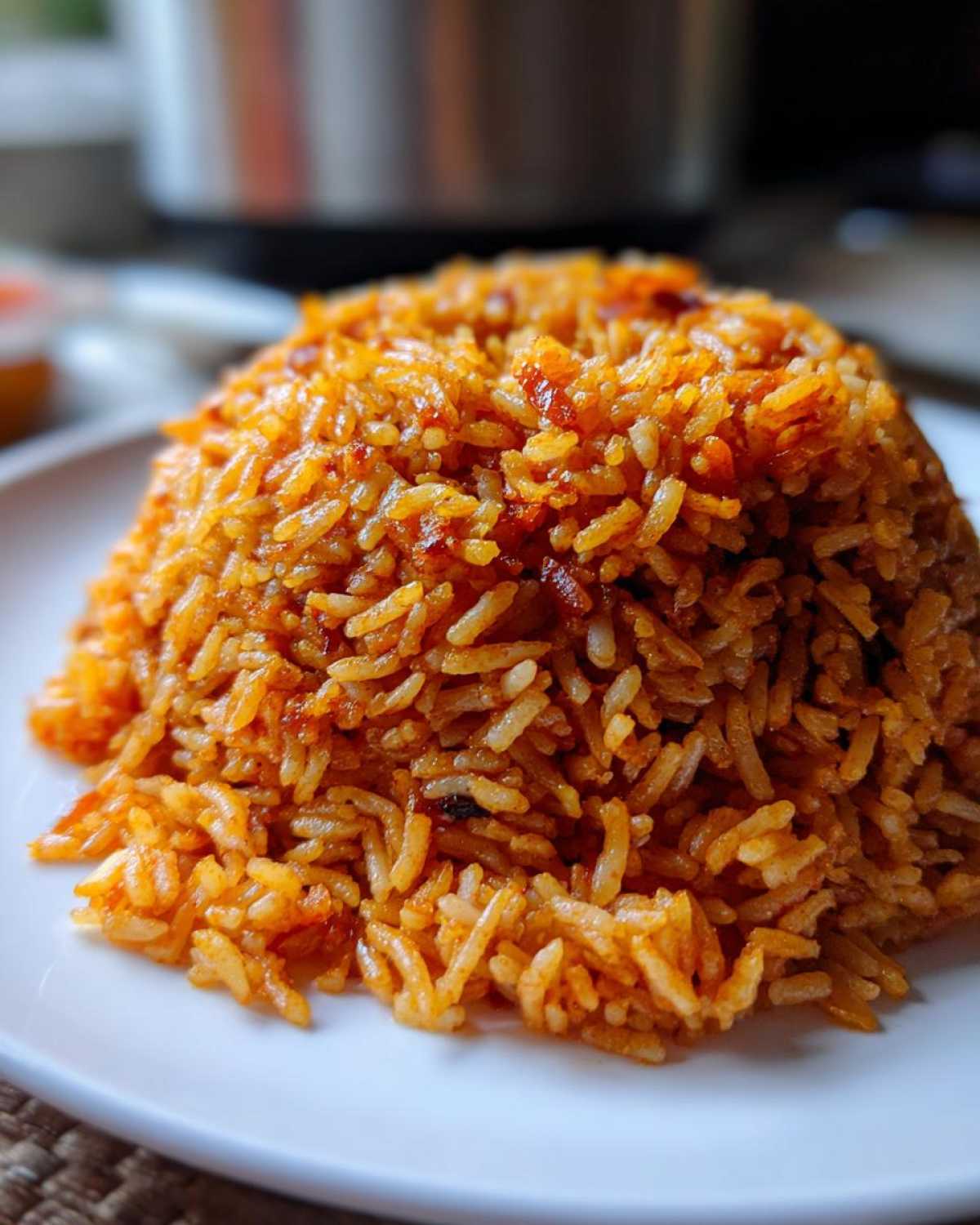
Measure in your stock—remember, just enough to cover the rice, barely! Stir this mixture only once or twice, max. Then, take a big sheet of aluminum foil, cover the top of the pot tightly, and clamp the lid right down over the foil. This traps the steam, which is how we avoid mushy rice—this method is similar to what I use for my one-pot beans and rice, just much more intense!
Reduce the heat to the absolute lowest setting. Let it steam for about 25 to 35 minutes. The cardinal rule? Do NOT open it and stir! You interrupt the steam, and the bottom won’t scorch correctly, which ruins the party flavor. Once you check it, if it needs a tiny splash more water, add it, re-seal immediately, and keep steaming. If you want to use this intense flavor base for other dishes, like my smothered chicken and rice, you can save some of the sauce aside!
Tips for Achieving Next-Level Smoky jollof rice
Okay, this is where we go from ‘good’ to ‘unforgettable.’ That signature ‘party’ taste in the Party Jollof Rice isn’t accidental; it comes from a controlled bit of charring at the bottom of the pot! It’s thrilling, a little scary, but totally worth it when you want that real depth of flavor in your jollof rice.
Managing the Heat for the Perfect Burn
To get that authentic smoky flavor, you need to let the very bottom layer of rice sit undisturbed on low heat long enough to toast ever so slightly, almost scorching. We’re talking a light, flavorful burn, not a disaster area! For the last five minutes of cooking, keep that heat set to its absolute lowest point and resist the urge to lift that foil lid.
But look, if you are genuinely worried about burning the whole batch—and I totally get it if you’re using a thin pot—there’s a brilliant cheat. You can cook the rice almost done, and then quickly put that pot on top of a metal cooling rack set over a medium flame for just three or four minutes. That indirect heat transfers that lovely smoky flavor without you having to worry about stirring the bottom layer!
Stock Quality and Rice Choice for jollof rice
I cannot stress this enough: the quality of your liquid base dictates the quality of your final dish. If you can swing it, use homemade chicken or beef stock instead of water or even store-bought cubes. That homemade depth just can’t be beaten in an Authentic Jollof Rice recipe. Think of the stock as the silent partner doing heavy lifting on the flavor profile!
And we are still sticking with parboiled rice here, folks! It’s the best insurance policy against mushy rice because, even if the bottom layer is getting smoky, the grains higher up stay separate and fluffy. If you use regular white rice, you’ll lose that lovely separation. Stick to parboiled for this incredible Spicy Rice Recipe!
Serving Suggestions for this West African Rice Dish
Now that you have this massive, deeply flavored pot of jollof rice, what are you serving it with? Honestly, it could stand alone as African Comfort Food, but we never do that, right?
For that true party experience, you absolutely need some fried plantain, crispy on the outside and sweet on the inside. That sweet-savory combo is unbeatable alongside this Flavorful Tomato Rice. If you’re having it as a main dinner, pair it with some perfectly grilled chicken or stewed goat meat. I also love serving it with a simple, crisp coleslaw on the side to cut through all that richness—feels lighter, you know? If you’re looking for other great rice companions, check out my ideas for chicken fried rice some other night!
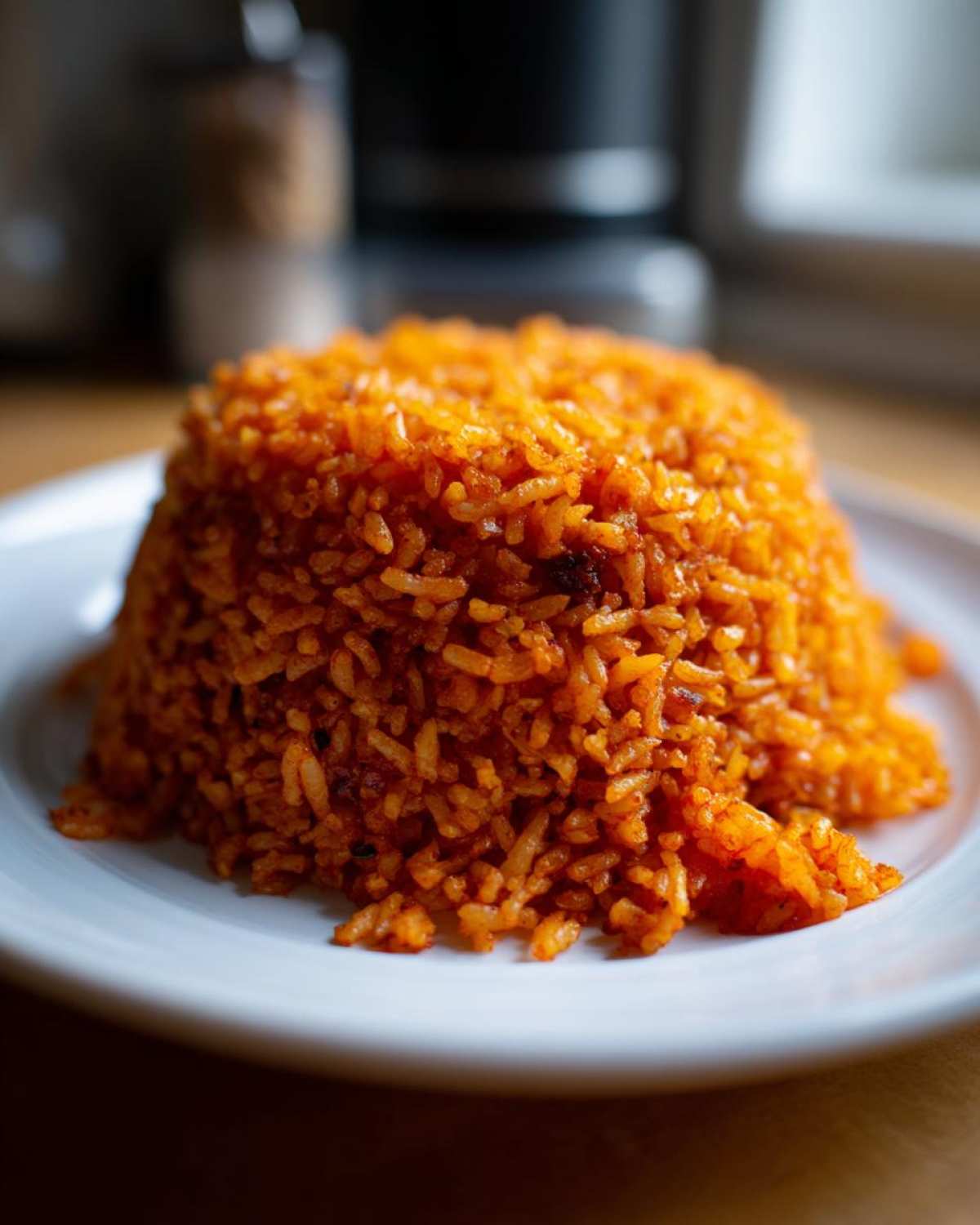
Storage and Reheating Instructions for Leftover jollof rice
Even though this pot of jollof rice probably won’t last long—because who can stop eating it?—you might end up with some leftovers, and that’s a win! Always let the rice cool down slightly before storing it. Then, you want to transfer it to a really good airtight container. Don’t just leave it open in the fridge; it’ll dry out fast. It keeps beautifully for about three to four days in the refrigerator.
Reheating is where people mess up and end up with hard or mushy grains. The secret to reviving that wonderful texture is moisture! When you reheat it, whether in the microwave or on the stove, splash in just a tablespoon or two of water or stock per serving. Cover it tightly again—that steam is your friend! That little bit of added liquid brings back the fluffiness. It works just like the steaming process for my similar one-pot rice preparations. If you skip the water, you’re going to end up with dry, sad kernels, and we absolutely can’t let that happen to our beautiful Nigerian Jollof Rice!
Frequently Asked Questions About Authentic jollof rice
I know you might still have some burning questions about mastering this West African Rice Dish—that’s totally normal! Getting the right texture and flavor for jollof rice takes a little insider knowledge. Here are a few things I hear most often when people are trying to nail their first batch.
What is the difference between Nigerian and Ghanaian jollof rice?
Oh, this is the big one! It sparks friendly debate across the continent! Generally speaking, Nigerian jollof tends to stick to parboiled rice and focuses heavily on that deep, smoky base we just talked about. Ghanaian jollof often uses Basmati rice and sometimes incorporates a slightly sweeter, lighter tomato base, although both styles aim for incredible flavor. Honestly, both are amazing! We’re focused on the Nigerian Dinner Ideas flavor profile here, but both are fantastic examples of Authentic West African Cuisine.
Can I make this jollof rice recipe vegetarian?
Absolutely, you can! You don’t need meat or fish stock to get huge flavor in this Spicy Rice Recipe. The key is making sure your stock is vegetable-based instead of chicken or beef. And remember that little bouillon cube? Make sure you swap that out for a vegetable stock cube or just skip it entirely. Since our base sauce is loaded with peppers, onions, and thyme, you’ll still get tons of depth even in this Beginner African Recipes version!
My jollof rice is too watery. How can I fix it?
If your rice ends up looking like soup, it usually means one of two things: you added too much liquid at the beginning, or you peeked too soon while it was steaming! If it’s still actively cooking, try removing the lid (but *not* the foil) for five or ten minutes on low heat to let some steam escape before resealing. If it’s completely done and still wet, you can try spreading it thinly on a baking sheet and putting it under a broiler for just a few minutes to dry out the top layer—just watch it like a hawk so it doesn’t burn!
Nutritional Estimate for this jollof rice Recipe
Now, I know some of you might be counting calories or macros, and I respect that! But remember, this is hearty, glorious African Comfort Food we’re talking about, so we eat it with joy! These numbers are just an estimation based on the ingredients used, especially since the final sodium can change depending on your stock and bouillon cube. If you’re making this for a big crowd, just think of these as starting points.
We made sure to use reasonable measurements for a six-serving yield, but honestly, who ever stops at just one serving of perfect Fluffy Jollof Rice?
- Serving Size: 1 cup cooked
- Calories: 450
- Fat: 15g (with 3g Saturated Fat)
- Carbohydrates: 70g (with 4g Fiber)
- Protein: 12g
- Sodium: 550mg (This can vary a lot based on your stock choice!)
- Cholesterol: 5mg
Take these figures as a fun guide, not a strict rulebook. The most important thing about this incredibly Flavorful Tomato Rice is the joy it brings to the table!
Share Your Nigerian jollof rice Success
Whew! You’ve done it! You’ve managed to create that magnificent, smoky, perfectly cooked jollof rice that tastes just like the best party you ever attended. Tell me everything!
When you make this recipe, I truly want to hear about your results. Did you get that beautiful scorch on the bottom? Did your family ask for seconds immediately? Drop a rating down below using those five little stars—it helps other cooks know this recipe is the real deal. And if you have any lingering questions about balancing spices or making sure your One Pot Rice Meal isn’t sticky, please ask in the comments!
I love seeing your kitchen triumphs, so snap a picture and share it on social media! Tag me so I can celebrate with you. If you want to send me your thoughts directly or need quick support on any of my other recipes, you can always reach out through my contact page. Happy cooking, and enjoy this ultimate taste of home!
PrintUltimate Smoky Nigerian Party Jollof Rice

A recipe for rich, flavorful Nigerian Jollof Rice that achieves the desired smoky taste typical of party servings.
- Prep Time: 20 min
- Cook Time: 55 min
- Total Time: 75 min
- Yield: 6 servings
- Category: Main Dish
- Method: Stovetop Simmering
- Cuisine: Nigerian
- Diet: Vegetarian
Ingredients
- 3 cups long-grain parboiled rice
- 1 large onion, chopped
- 4 large ripe tomatoes
- 2 red bell peppers (tatashe)
- 1 scotch bonnet pepper (adjust to heat preference)
- 1 inch ginger, peeled
- 4 cloves garlic
- 1/2 cup vegetable oil
- 1/4 cup tomato paste
- 4 cups chicken or beef stock
- 2 teaspoons curry powder
- 1 teaspoon dried thyme
- 2 bay leaves
- 1 teaspoon salt, or to taste
- 1/2 teaspoon white pepper
- 1 bouillon cube (Maggi or Knorr)
- 1 small onion, sliced (for steaming)
Instructions
- Prepare the pepper base: Blend the tomatoes, red bell peppers, scotch bonnet, ginger, and the first portion of onion until smooth.
- Heat the vegetable oil in a large, heavy-bottomed pot or Dutch oven over medium heat. Add the remaining chopped onion and sauté until softened, about 3 minutes.
- Stir in the tomato paste and fry for 5 minutes, stirring constantly, until it darkens slightly. This step builds flavor.
- Pour in the blended pepper mix. Add curry powder, thyme, bay leaves, salt, white pepper, and the bouillon cube. Stir well.
- Bring the sauce to a boil, then reduce heat and simmer uncovered for 15 to 20 minutes, stirring occasionally, until the sauce has reduced and thickened significantly.
- Rinse the parboiled rice thoroughly under cold water until the water runs clear. Drain well.
- Add the rinsed rice to the reduced pepper sauce. Stir until every grain of rice is coated with the sauce.
- Pour in the chicken or beef stock. The liquid should just cover the rice; add a little water if necessary, but avoid too much liquid. Stir once.
- Cover the pot tightly with aluminum foil before placing the lid on top. This traps the steam needed for cooking.
- Reduce the heat to the lowest setting. Let the rice steam for 25 to 35 minutes. Do not stir during this time.
- After 25 minutes, check the rice. If it is still hard, add a tiny splash of water, cover tightly again, and continue steaming.
- To achieve the smoky flavor, allow the bottom layer of rice to slightly scorch (burn lightly) for the last 5 minutes of cooking.
- Once the rice is tender, turn off the heat. Remove the foil and bay leaves. Add the sliced onion on top of the rice, cover the pot, and let it sit for 10 minutes off the heat to finish steaming and absorb the onion flavor.
- Fluff the rice with a fork before serving.
Notes
- Use long-grain parboiled rice for the best texture; Basmati can also work but may require less liquid.
- For a richer flavor, use homemade stock instead of water or store-bought stock.
- If you do not want to scorch the bottom, you can achieve a smoky flavor by placing a metal rack between the pot and the heat source, or by briefly grilling the cooked rice in a shallow pan over high heat after it is mostly done.
Nutrition
- Serving Size: 1 cup cooked
- Calories: 450
- Sugar: 8
- Sodium: 550
- Fat: 15
- Saturated Fat: 3
- Unsaturated Fat: 12
- Trans Fat: 0
- Carbohydrates: 70
- Fiber: 4
- Protein: 12
- Cholesterol: 5