

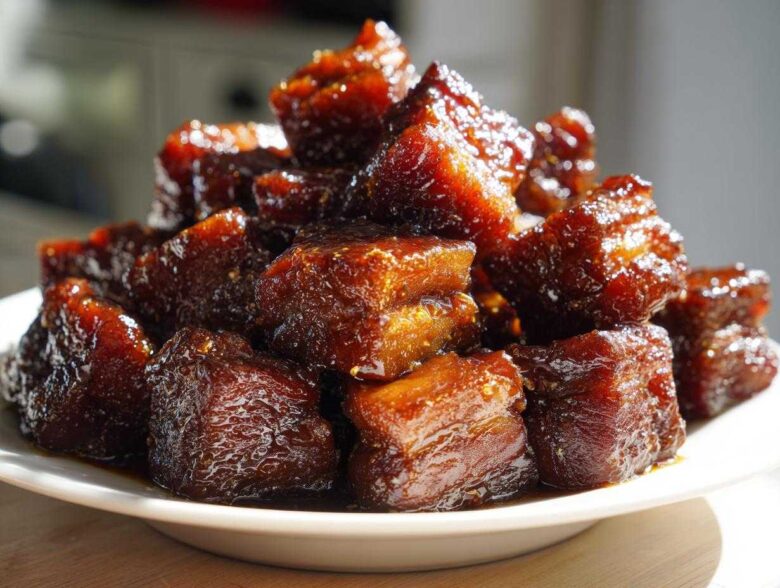
When people ask me for the ultimate comfort food that tastes like a warm hug from Southeast Asia, I immediately point them to this recipe. Forget those super light, watery braises you might have tried elsewhere. We are digging deep into the rich, glossy goodness that is true Vietnamese Caramel Pork, or Thit Kho To! This isn’t just pork; it’s history bubbling away in a pot. I’ve spent years perfecting the caramel step—the key to that signature dark color—so trust me when I say you want to watch that sugar like a hawk. Get ready, because this authentic braise is going to change your dinner game forever. Check out more of my favorite kitchen stories over at my blog!
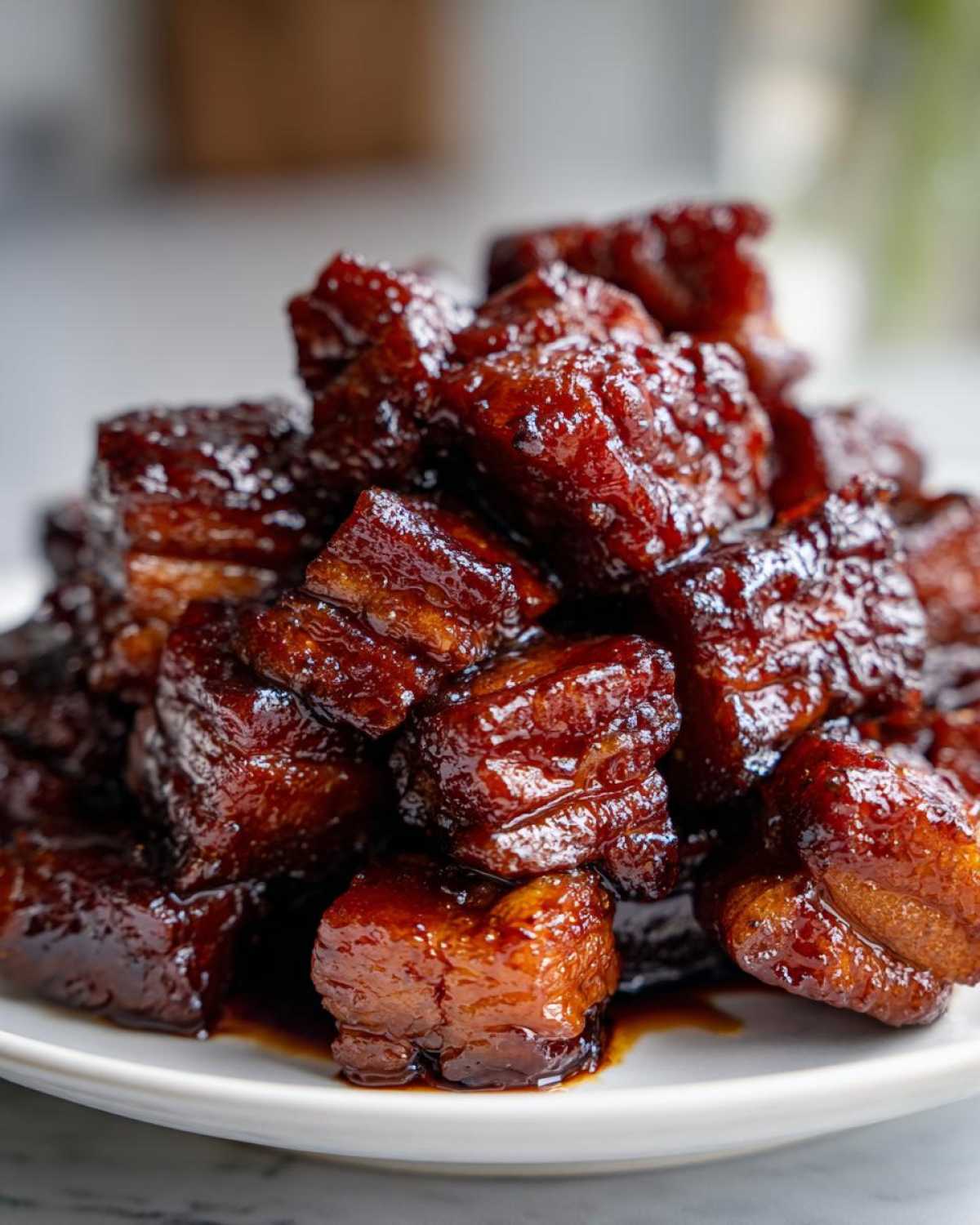
Why This Authentic Vietnamese Caramel Pork Recipe Works (Thit Kho To)
So, what makes this particular Vietnamese Caramel Pork recipe the one you need in your life? It really comes down to texture and depth. Most recipes rush the process, but we don’t! This ensures we end up with that fall-apart tenderness you dream about. The way the fish sauce marries with the deep caramel creates a flavor profile that is impossible to beat. It’s truly the definition of Classic Vietnamese comfort food.
- The pork belly renders perfectly, becoming rich without being greasy.
- That dark, complex caramel adds sweetness balanced by salty fish sauce.
- We skip unnecessary steps, keeping the focus on the essential braising technique.
If you want to explore how deep flavors work with pork, you should check out my guide on zesty pork marinade secrets—though for Thit Kho To, we rely on time, not acid, to tenderize!
Essential Ingredients for Vietnamese Caramel Pork
Okay, you can’t make good Vietnamese Caramel Pork recipe without hitting the essentials perfectly. This dish relies on just a few powerhouse items, so don’t skimp on quality, especially that fish sauce! We’re talking about rich pork belly here, which gives us the best texture when it finally melts down during the braise. You’ll need about 2 pounds of it.
Pork and Aromatics
First up, make sure you grab good quality pork belly—you want the skin on if you can get it! We chop that up into nice, neat 1.5-inch cubes. That size holds up well through a long simmer. Then, we just need the basics: about four cloves of garlic and one shallot, both minced super fine. These are going to brown up nice and quick in our caramel later, so prep them before you even touch the stove!
The Caramel and Braising Liquids for Thit Kho To
This is where the magic starts for your Vietnamese Caramel Pork! You need 1/4 cup of standard granulated sugar for the caramel base. Then, the backbone of the flavor: 1/4 cup of good quality fish sauce—the kind that smells salty and strong, you know the one! For liquid, 1/2 cup of coconut water is traditional; it adds a subtle background sweetness. If you can’t find it, regular water works fine for this amazing Thit Kho To. Oh, and if you’re making this for a real feast, grab four hard-boiled eggs to toss in during the braise!
If you’re looking for marinade inspiration for other cuts while you gather these, check out my tips on citrus garlic pork marinade, but for this stew, simplicity wins!
How to Make Thit Kho To: Mastering the Caramelization
Learning how to make Thit Kho To really boils down to one crucial, slightly scary step: making the caramel. If you mess this up, the whole dish tastes burnt, but if you get it right? Wow. It’s deep, smoky, glossy perfection. I always use a heavy, thick-bottomed pot for this because you need even heat distribution. Trust me on this one; thinner pans make hot spots, and hot spots mean bitter caramel!
Creating the Glossy Caramelized Fish Sauce Pork Belly Base
Take your granulated sugar and that tiny bit of water—just two tablespoons—and put it in your dry pot over medium heat. Now here is my golden rule: DO NOT STIR. You can gently swirl the pot if you must, but otherwise, leave it alone! Watch it intently. It will melt, then it will start to bubble, and then it will start turning colors. You want it to hit a deep, dark amber—almost the color of dark mahogany. The second it hits that perfect shade, yank it off the heat immediately. That rich color is what gives your Vietnamese Caramel Pork its signature look.
Right when it’s dark enough, pour in your coconut water. It will seize up and bubble like a volcano, so stand back! Whisk quickly until that hardened candy dissolves back into the liquid. If it gets too hard to dissolve, just pop it back on super low heat for a second.
Building the Braise for Authentic Vietnamese Braised Pork
Once your gorgeous caramel liquid is smooth again, add your oil, and then toss in that minced garlic and shallot. Let them sizzle for just a minute until they smell heavenly. Now, dump in all your pork belly cubes and stir them around really well so that every piece gets coated in that dark caramel mixture. That is how we build flavor!
After coating, pour in the fish sauce and pepper. Stir again. Finally, add enough extra water to just cover the meat—don’t drown it! If you’re using those optional eggs, tuck them in now. Bring it all up to a rolling boil, and then—and this is vital for that tender result—reduce the heat down immediately to the absolute lowest setting, cover it up tight, and let that Authentic Vietnamese braised pork just relax for at least an hour and a half.
I highly recommend looking at my guide for foolproof homemade caramel if you ever need a different application for this skill, like for caramel apples—the principles are similar!
Braising Time and Reducing the Sauce for Glossy Caramelized Pork
So, you’ve got your beautiful pork cubes simmering away under a lid, smelling unbelievably rich? Fantastic! Now comes the part that tests your patience, because great Vietnamese Caramel Pork requires time. We are not rushing this tenderizing process. I generally plan for anywhere between 1.5 to maybe 2 hours on a really low simmer. Check it every 30 minutes or so just to give it a gentle stir—we don’t want the pork sticking to the bottom of that heavy pot.
You’ll know it’s getting close when the meat starts giving way easily under the slightest pressure. You should be able to pierce a piece with a chopstick without much effort. That’s the goal for that amazing texture!
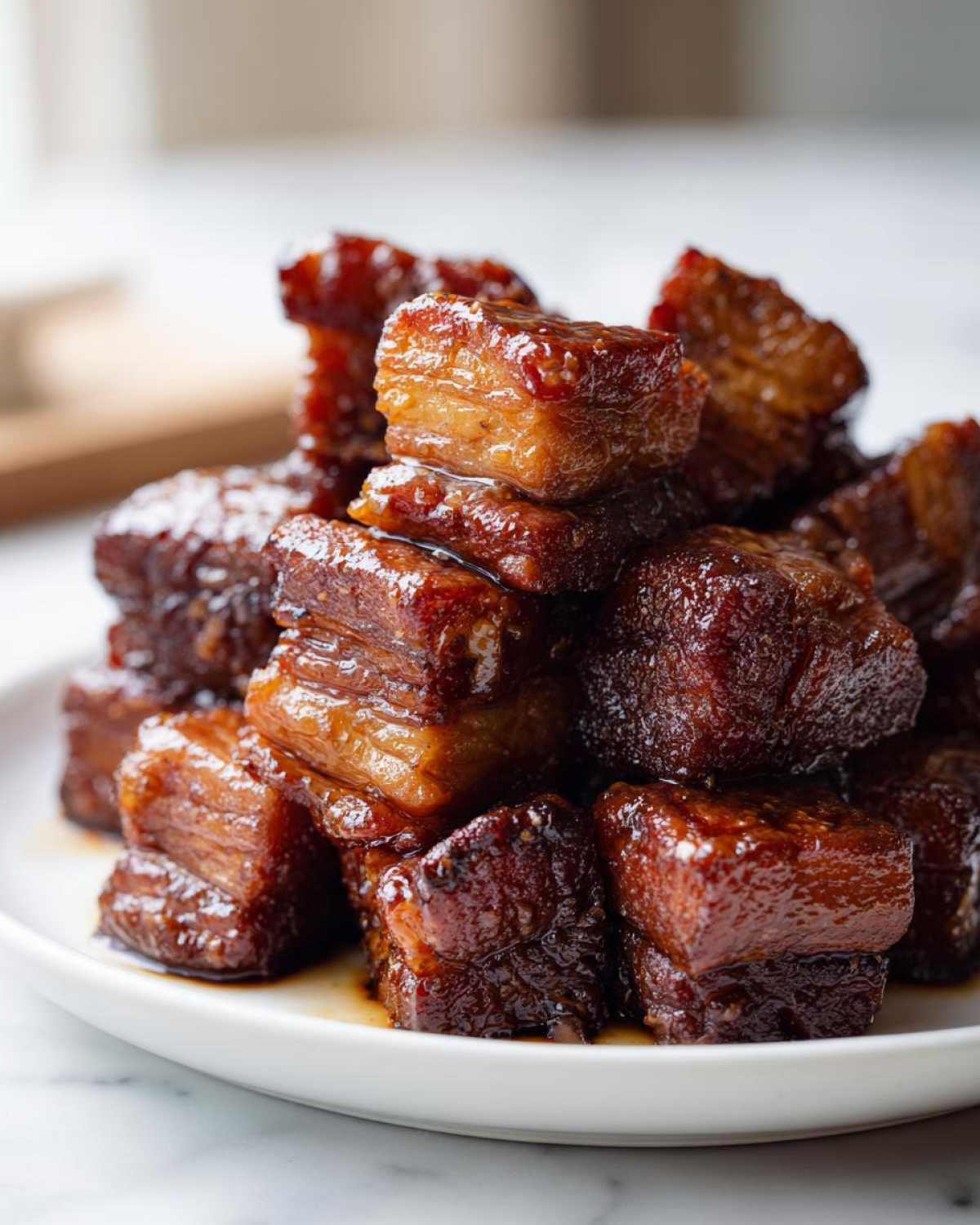
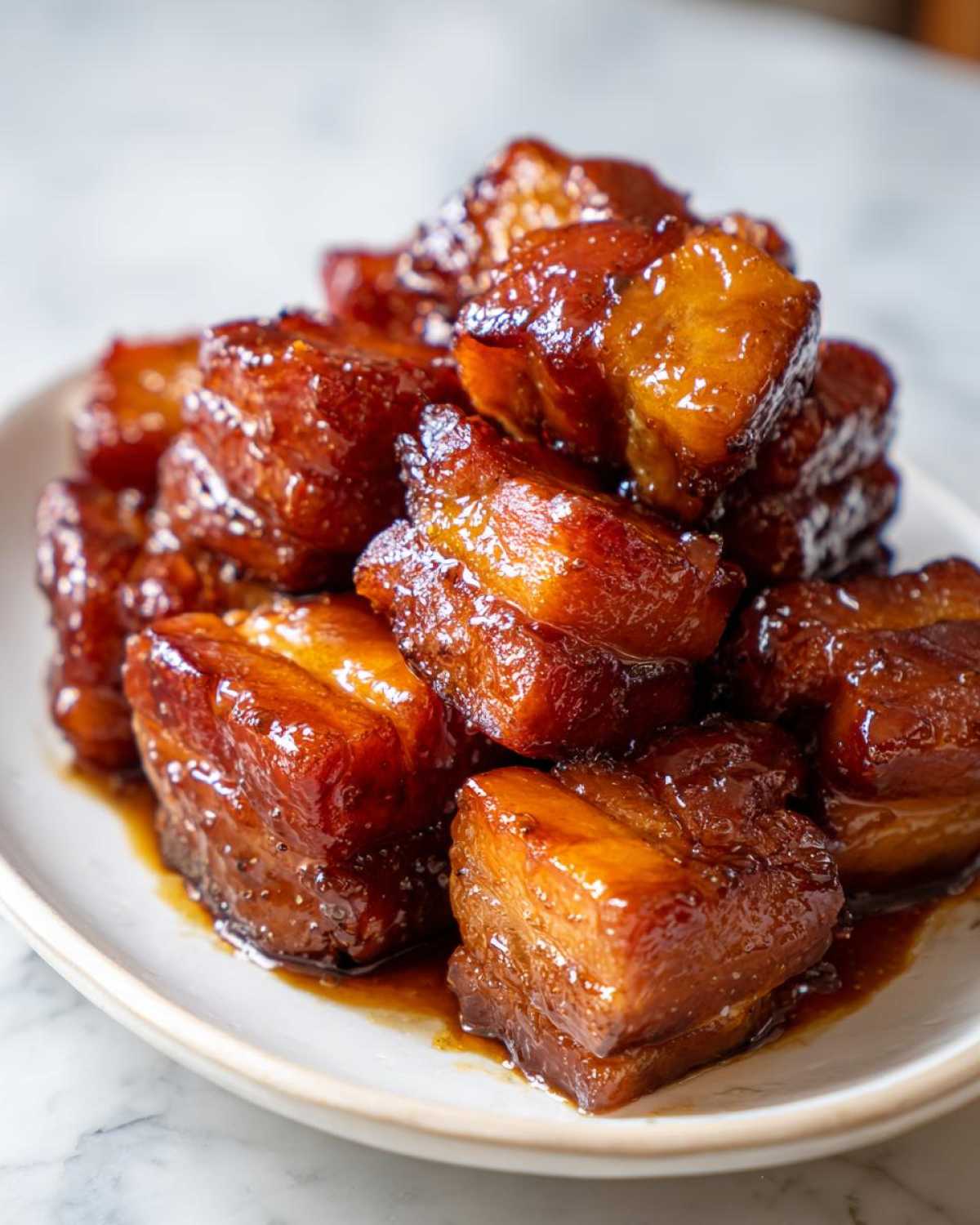
But here’s the secret to getting that signature shine that makes the dish famous: the final reduction. Once the pork is super tender—and only then—you need to take that lid off. Turn the heat up just a touch, maybe to medium-low. Let that extra braising liquid boil down slowly. As it evaporates, the sauce thickens up beautifully, coating every piece of meat in that dark, savory glaze. We want it thick enough to cling, not watery at all. This final 15 to 20 minutes of simmering without the lid is what delivers that professional-looking, glossy caramelized pork finish that makes everyone ask for your recipe!
If you’re looking for more inspiration on long, slow simmers, you might enjoy my hearty slow-cooker pork stew guide—the principle of low-and-slow is key there too!
Tips for the Best Pork Belly Braise Asian Style
Look, I’ve made this Vietnamese Caramel Pork so many times that I’ve picked up a few tricks over the years that aren’t explicitly written in the steps but make a world of difference. These little secrets are what turn a good dish into one that people rave about for months.
First and foremost, if you have the willpower, you absolutely must refrigerate your pork after it’s finished cooking. Wait, what? I know! But seriously, cooling it down overnight lets all that rich caramel and fish sauce flavor really sink deep into the meat fibers. When you reheat it the next day, it’s exponentially better. It goes from being delicious to being spectacular. It’s my go-to method for making any Best pork belly braise Asian style.
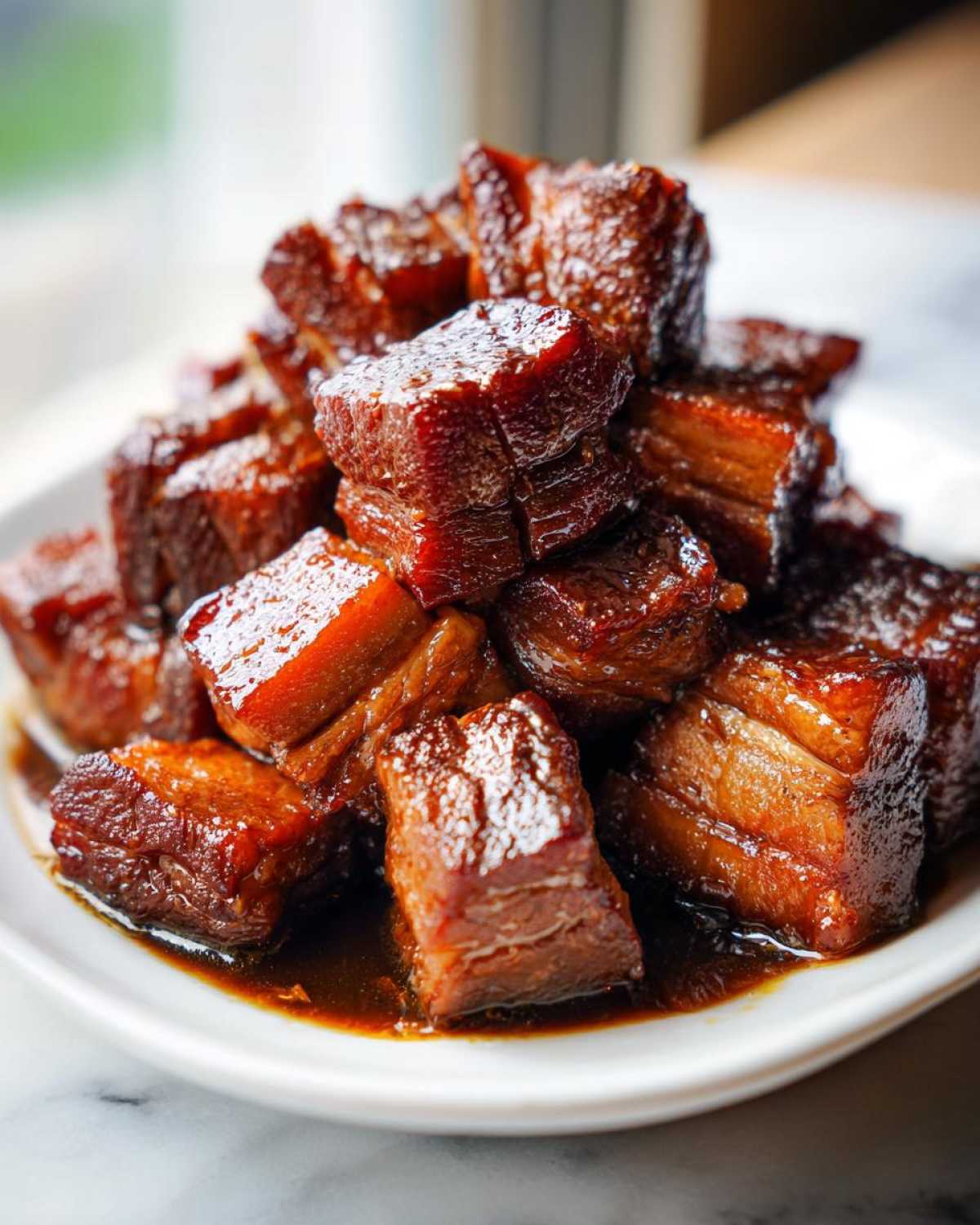
Now, let’s talk about fish sauce intensity. Not all fish sauces are created equal; some are saltier than others. Taste the sauce right before you add the final water layer. Is it tasting a little too sharp or overpowering? Don’t panic! Just add an extra tablespoon or two of plain water to mellow that initial punch. Remember, the sauce reduces, so you can always add more, but you can’t take it out!
If you happen to be trying this with a slightly leaner cut of pork than belly—maybe pork shoulder—you might need to add a teaspoon of oil halfway through the braise just to keep things lubricated. Pork belly works great because of its fat, but lean cuts need a little help to stay tender. For another deeply flavorful sauce technique, you really need to try my recipe for crazy good caramelized onion dip; learning how to coax flavor out of simple ingredients is half the battle in the kitchen!
Serving Suggestions for Your Vietnamese Caramel Pork
You did it! You’ve got this incredible, dark, sticky, and tender Vietnamese Caramel Pork shimmering in the pot. Now, how do we serve this beautiful masterpiece? While you could just eat it straight out of the bowl with a spoon (I won’t judge!), this dish is traditionally served as the star of a larger family meal, which really makes it shine. We aren’t just plonking it on a plate; we are building an experience!
The absolute, non-negotiable foundation of serving Thit Kho To is hot, fluffy steamed white rice—or cơm, as we call it. That plain rice is the perfect canvas. It soaks up every last drop of that glorious, reduced caramel sauce, balancing the richness beautifully. Seriously, you need that rice.
If you want to elevate your presentation and flavor profile further—especially if you skipped adding eggs to the braise—you need some fresh, bright sides to cut through the richness. This is where the green stuff comes in handy!
- Scallion Oil (Mỡ Hành): This is my favorite simple addition. Just quickly wilt some sliced green onions in hot oil until they are fragrant and slightly softened. Drizzle this right over the top of the pork before serving. The fresh aroma is totally addictive.
- Pickled Vegetables (Đồ Chua): A side of crunchy, sweet-and-sour pickled carrots and daikon radish is essential on the table. It provides the necessary acidic crunch that cleanses your palate between bites of the rich pork. It pairs perfectly with the savory caramel.
- Fresh Herbs: Don’t overcomplicate it! A small plate of fresh cilantro or mint leaves on the side often does the trick for that pop of freshness.
This all comes together to make a complete meal. If you love the idea of serving something amazing over rice, you might want to check out my recipe for a sticky garlic chicken rice bowl for some weeknight inspiration. But for now, grab that rice, scoop generously, and enjoy the fruits of your slow-braising labor!
Ingredient Substitutions for Vietnamese Caramel Pork
Now, I know not everyone always has incredible pork belly hanging out in the fridge, or maybe you’re just looking to try something a little different! That’s totally fine by me. The beauty of this caramel-and-fish-sauce base is that it’s so robust it works wonders with other proteins too. While I will always argue that the fattiness of the belly makes the Vietnamese Caramel Pork what it is, we can certainly adapt this recipe for other things. It becomes a totally different, but equally delicious, meal!
The main thing you need to remember when swapping out the protein is that different ingredients handle heat and time differently. Pork belly needs a long, slow cook to become tender, but chicken or tofu certainly don’t need two hours simmering away!
Chicken Thighs: A Quicker Weeknight Option
If you swap the pork belly for bone-in, skin-on chicken thighs, you are in for a treat! The chicken soaks up that caramel wonderfully. Since chicken doesn’t need to break down connective tissue like pork, you can cut the braising time significantly. After you coat the chicken in the caramel and add liquid, bring it to a boil, cover it, and cook it on low for about 45 minutes to an hour. You’re basically looking for the internal temperature to hit safe levels and for the meat to be easily pulled from the bone, rather than melting away entirely.
Firm Tofu: A Great Vegetarian Twist
For a completely different take—and if you want a truly Simple Vietnamese pork dish alternative—try firm or extra-firm tofu. Before you start, slice your tofu into thick slabs or cubes and gently press out as much water as you can. You can even give them a shallow pan-fry first to give them a little crust, which helps them hold their shape in the braise. When you substitute tofu, you need to be much gentler with the heat and time. Just let the tofu simmer in the finished caramel sauce for about 20 to 30 minutes, uncovered or partially covered, just long enough for it to absorb all that sweet and salty goodness.
No matter which protein you choose, remember the final sauce reduction step is key for that glossy coating! If you’ve made a big batch of this and have some extra sauce, you can even use it over rice or noodles, sort of like a homemade shortcut similar to what you might find in an easy one-pot beans and rice recipe, but much richer!
Storage and Reheating Instructions
The most wonderful part about making truly deep, slow-braised dishes like this Vietnamese Caramel Pork is that they are practically engineered to be delicious leftovers! I always tell people that while this dish is fantastic the night you make it, it reaches its absolute peak on day two. Don’t skip the leftovers, seriously!
Once the pork has cooled down completely—and I mean completely—transfer it, along with all that rich sauce, into an airtight container. You want it totally sealed up before it hits the fridge. It keeps wonderfully for about three to four days. That rest time in the cold allows the fat to solidify a bit, which helps keep all that fish sauce and caramel flavor hugging onto the meat fibers overnight. It’s like the difference between a good stew and an amazing one.
When it comes time to reheat, you have options, but I steer you towards the stovetop every time. Why? Because we need to bring back that beautiful, glossy sauce texture we worked so hard to create when we took the lid off. Place the pork and sauce in a small, heavy-bottomed saucepan over medium-low heat. You want to warm it gently, stirring carefully so you don’t break up the tender pork pieces too much. Just let it come up to a happy, gentle simmer until it’s heated all the way through and the sauce looks lovely and dark again.
If you are in a huge rush and need to use the microwave, go for it, but use short, 45-second bursts instead of blasting it for two minutes straight. Microwaving can sometimes dry out the sauce quickly. Always stir between zaps!
If you are looking for other dishes that benefit from resting, check out my tips on making easy one-pot beans and rice—those taste better the next day too! But for this Thit Kho To, trust me, the flavor meld overnight is unmatched.
Frequently Asked Questions About Thit Kho To
I get so many great questions from folks when they try making this rich, incredible dish for the first time! It’s simple cooking, but those traditional steps can sometimes leave people scratching their heads. Don’t worry, I’m here to walk you through any confusion you might have about your Classic Vietnamese comfort food journey.
Can I use a slow cooker for this Vietnamese braised pork with eggs?
Yes, you absolutely can transition this to a Vietnamese slow cooker pork method once you’ve done the crucial first step on the stovetop! The slow cooker is amazing for keeping things at a consistent low temperature for hours, which tenderizes that pork belly beautifully. However, you MUST make the caramel on the stovetop first. You need that direct, high heat to achieve the deep amber color that gives the dish its flavor and color. Once the caramel is made and you’ve added the pork and liquids, then you can transfer the whole thing to your slow cooker and let it go on low for 6–8 hours. It’s a great hands-off way to execute this Traditional Vietnamese stew recipe!
What if my caramel turned bitter?
Oh, you burned it! It happens to the best of us, honestly. If that sugar turns black instead of a deep mahogany brown, it has crossed the threshold into bitterness, and no amount of fish sauce or coconut water will cover that up. Please, don’t try to salvage a burnt caramel! It’s harsh, and it will ruin the whole pot. My best advice for this Classic Vietnamese comfort food is simple: wash your pot out immediately and start the caramel step over from scratch. Watch it like a hawk this time—it goes from perfect to bitter in about five seconds flat!
Is this Thit Kho recipe no coconut milk required?
That’s a fantastic question touching on purity in the recipe! Traditionally, this is a Thit Kho recipe no coconut milk required—we use coconut water, which is much thinner and lighter than thick coconut milk. The coconut water adds a subtle, wonderful sweetness that complements the savory fish sauce and the caramel. If you absolutely cannot find coconut water, you can substitute regular tap water, and the dish will still be delicious, just slightly less complex in its background flavor. But try to grab the coconut water if you can; it really nudges the flavor toward authentic!
If you have any other cooking conundrums or just want to tell me how your caramel turned out, feel free to reach out via my contact page! I love hearing from my readers.
Rate This Simple Vietnamese Pork Dish
Seriously, I have given you all my secrets—from watching the caramel like a hawk to letting the pork rest overnight. Now it’s your turn to tell me how it went! This level of rich, deep flavor in a Simple Vietnamese pork dish is just too good not to share feedback on.
I’d be so thrilled if you could take a moment to rate your experience with this Vietnamese Caramel Pork below. Was the braise tender enough? Did you nail that deep brown color on your first try? Just give it a quick rating out of five stars!
And please, leave a comment! I love hearing about your kitchen triumphs, especially when you conquer tricky steps like creating the perfect caramel. Hearing from you really keeps my passion for sharing these recipes alive. If you’ve made this, I hope you’ve peeked at my About Us page too, because every recipe has a story!
PrintVietnamese Caramel Pork (Thit Kho To)
A recipe for traditional Vietnamese braised pork belly cooked in a rich, dark caramel and fish sauce mixture until tender.
- Prep Time: 15 min
- Cook Time: 2 hours
- Total Time: 2 hours 15 min
- Yield: 4 servings
- Category: Main Course
- Method: Braising
- Cuisine: Vietnamese
- Diet: Low Calorie
Ingredients
- 2 lbs pork belly, cut into 1.5-inch cubes
- 4 cloves garlic, minced
- 1 shallot, minced
- 1/4 cup fish sauce
- 1/4 cup granulated sugar
- 2 tablespoons water
- 1 tablespoon neutral oil
- 1/2 teaspoon black pepper
- 1/2 cup coconut water (or regular water)
- Optional: 4 hard-boiled eggs, peeled
Instructions
- Prepare the caramel: In a heavy-bottomed pot or Dutch oven, combine the sugar and 2 tablespoons of water over medium heat. Do not stir. Allow the sugar to melt and turn a deep amber or dark brown color. Watch carefully to prevent burning.
- Once the caramel reaches the desired dark color, immediately remove the pot from the heat. Carefully pour in 1/2 cup of coconut water (it will bubble vigorously). Stir until the caramel dissolves into the water. Return the pot to low heat if necessary to fully dissolve the hardened caramel.
- Add the oil, minced garlic, and minced shallot to the caramel mixture. Cook for 1 minute until fragrant.
- Add the pork belly cubes to the pot. Stir to coat the pork evenly with the caramel sauce.
- Pour in the fish sauce and add the black pepper. Stir everything together.
- Add enough water to just cover the pork. If using hard-boiled eggs, add them now.
- Bring the mixture to a boil, then immediately reduce the heat to low. Cover the pot and simmer slowly for 1.5 to 2 hours, or until the pork is very tender. Stir occasionally to prevent sticking.
- Remove the lid for the last 20 minutes of cooking to allow the sauce to reduce and thicken into a glossy glaze that coats the pork.
- Serve hot over steamed white rice.
Notes
- For the best color, aim for a dark amber caramel; if it burns, the dish will taste bitter, so start over.
- If you prefer a less intense flavor, you can substitute some of the fish sauce with regular water.
- This dish tastes better the next day after the flavors have fully melded.
Nutrition
- Serving Size: 1 serving
- Calories: 550
- Sugar: 12
- Sodium: 950
- Fat: 40
- Saturated Fat: 15
- Unsaturated Fat: 25
- Trans Fat: 0
- Carbohydrates: 15
- Fiber: 1
- Protein: 35
- Cholesterol: 120