

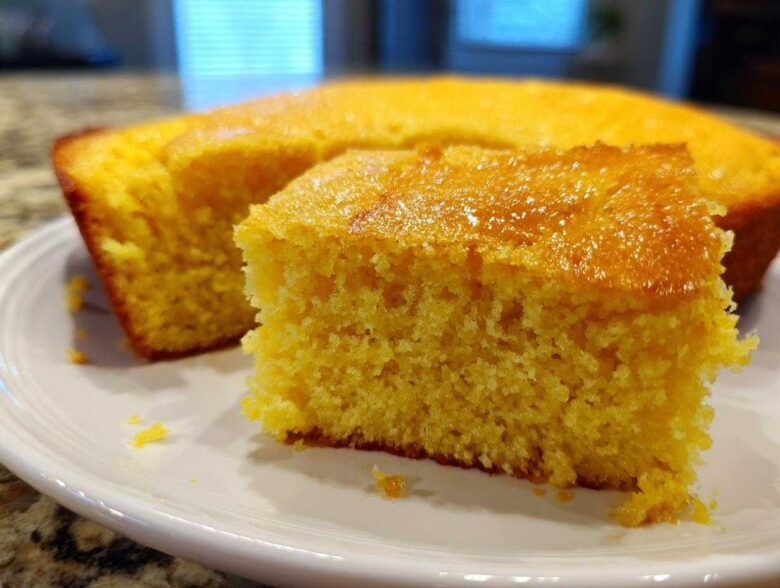
There is something so tremendously satisfying about taking that leftover starter—the stuff you were about to throw away—and turning it into something truly special. Amina has always emphasized that in our kitchen, we hate waste, but we love flavor even more! At Spoonful Snap, we live for those moments where tradition meets practicality. That’s where this Moist Sourdough Discard Cornbread comes in, my friends. It’s an absolute winner. This incredibly easy cornbread recipe mixes up fast and comes out fluffy, perfectly balancing the slight tang from the sourdough with just the right amount of sweetness. It’s the ultimate comfort food baking secret weapon we’ve been looking for.
Why This Moist Sourdough Cornbread Recipe Works So Well
When I first experimented with bringing sourdough into our quick bread recipes, I was worried it would turn out dense or overly sour. But with this cornbread, we hit pure gold. Seriously, this isn’t just some standard, dry square you serve alongside chili; this is a tender, fluffy experience. It’s proof that an Easy Cornbread Recipe can be elevated just by using what you already have in the fridge.
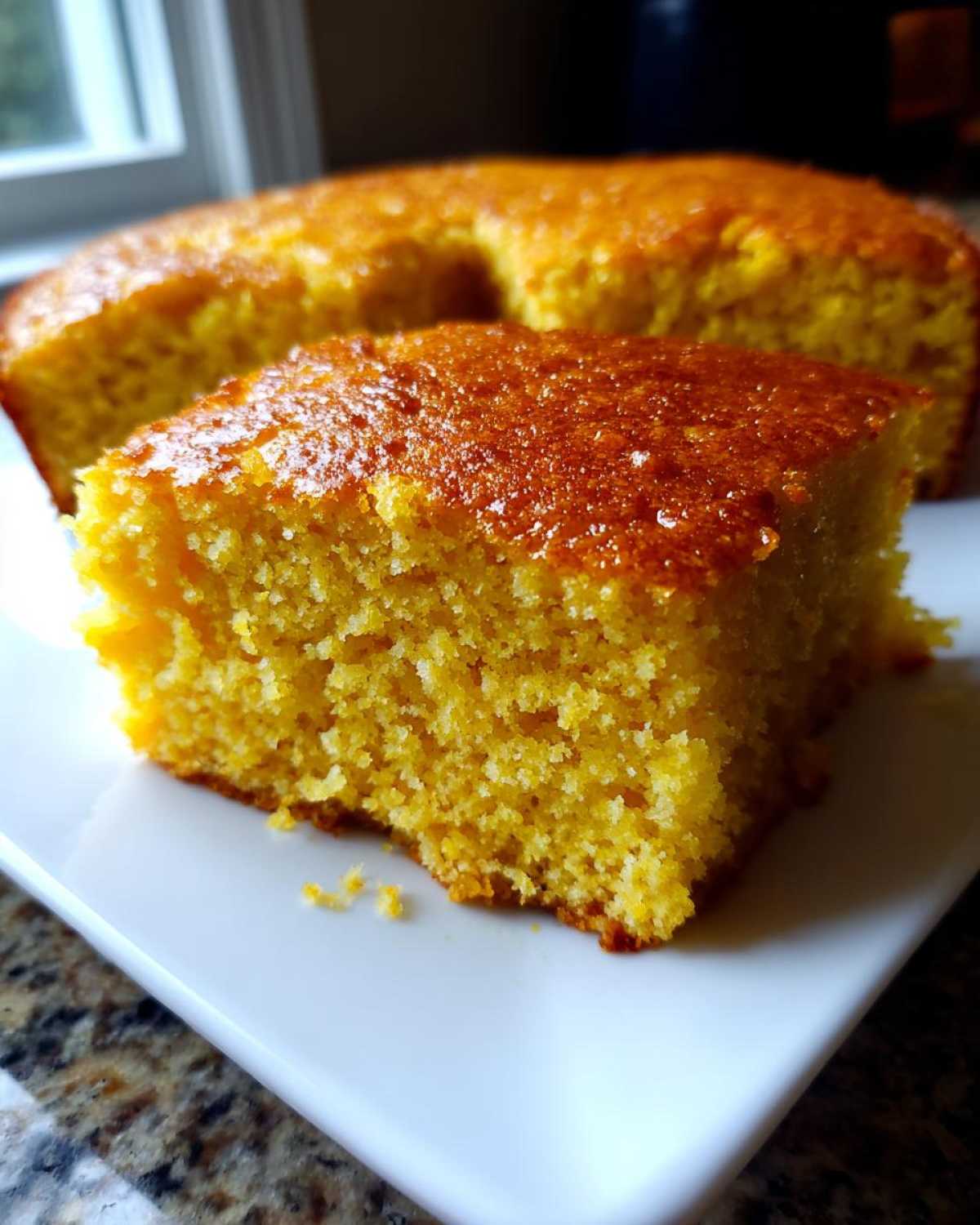
It excels because it’s built for maximum flavor and minimal fuss. If you’re hunting for a truly Moist Cornbread Recipe that doesn’t require much fuss, look no further:
- It provides that signature sourdough complexity—a slight, addictive tang—without you having to worry about feeding a starter or waiting for a large proof.
- The texture is famously light and fluffy because we keep the mixing time incredibly short. No gummy bread here!
- It’s incredibly forgiving. Even if your discard has been chilling in the fridge for a while, it brings wonderful moisture to the final bake.
- It comes together faster than most conventional breads, making it a perfect last-minute side dish when company shows up unexpectedly. You can check out how we sometimes make quick sides feel gourmet over at our apple cobbler post—same quick-fix energy here!
The Magic of Sourdough Discard Baking
This is where the real secret weapon comes out! When we talk about Sourdough Discard Baking, we are talking about efficiency. That unfed starter you pull out of the fridge? It’s already hydrated flour and water, full of natural acids. These acids tenderize the crumb structure in the cornbread batter, which keeps it moist for days. It also lends that gentle sour note that perfectly cuts through the sweetness of the cornmeal and sugar. It’s flavor without the extra work!
Gathering Ingredients for Your Sourdough Cornbread
Alright, let’s talk about what we need to bring this beauty to life. Because this is such a foundational, quick bread recipe, the ingredients should be simple, but paying attention to quality really makes a difference. Think about your cornmeal—if you can find a stone-ground variety, wow! That adds such a depth of flavor that the standard stuff just can’t match. This is one of those times where investing in good cornmeal feels totally worth it.
Since this recipe is all about using what’s on hand for sourdough cornbread satisfaction, you’ll probably have most of this stuff mixed in your pantry already. Here is the list we use every single time:
- 1 cup yellow cornmeal
- 1/2 cup all-purpose flour
- 1/3 cup granulated sugar (you can tweak this later, but start here!)
- 1 teaspoon baking powder
- 1 teaspoon kosher salt
- 3/4 cup sourdough discard (and this is important—make sure it’s unfed and at room temperature, please!)
- 1/2 cup milk (whole milk, 2%, or even oat milk works if you’re dairy-free)
- 1/3 cup vegetable oil (or melted coconut oil if you want a slightly different taste)
- 1 large egg
See? Super easy. That room temperature discard blends so much more easily into those other wet ingredients, which is key for getting that even, moist cornbread recipe texture we are aiming for. If you want to see how we handle moisture in other classics, check out the techniques in our famous carrot cake—it’s all about controlling the liquids!
Essential Equipment for Perfect Sourdough Cornbread
Look, just as Amina needs her specific mortar and pestle for her spice blends, you need the right tools to get this cornbread right. We aren’t making sourdough bread here that needs high-tech scales and Dutch ovens; this is quick-bread magic, so the equipment list is wonderfully simple. Making sure these items are clean and ready makes the whole 10-minute prep time fly by!
You’ll want to grab:
- An 8×8 inch metal baking pan. If you are making muffins instead, grab a standard 12-cup muffin tin.
- Two decent mixing bowls—one large for the dry ingredients and one medium for the wet.
- A sturdy whisk. You need this to really aerate the dry elements properly.
- A flexible rubber or silicone spatula. This is what we use for folding the batter gently!
- A cooling rack. Trust me, trying to cut hot cornbread directly from the pan leads to crumbly disaster. Let it rest first!
If you want to see how we prep our pans for things like our homemade chocolate cake, you know we always grease and flour, or use parchment paper. That little bit of prep ensures your beautiful, fluffy bread slides right out.
Step-by-Step Instructions for Easy Sourdough Cornbread
Okay, this is the fun part! As David says, I love seeing how quickly things come together, especially when it involves that tangy starter. Since we’re not kneading or waiting hours for a rise, this is truly one of the simplest sourdough cornbread recipes you’ll ever whip up. The biggest rule here is patience once the wet and dry meet—that’s how we guarantee you get the best, Fluffy Cornbread.
Here is exactly what you need to do. We’re aiming for that perfect golden-brown top which signals true, delicious, homemade cornbread.
- First things first, get that oven fired up! Preheat your oven to 375°F (190°C). While that’s warming, take your 8×8 inch baking pan and give it a good grease and flour coating. If you prefer muffins, line your tin now.
- In your big bowl, whisk everything dry together. I mean really whisk it—we want the baking powder and salt perfectly distributed throughout the flour and cornmeal.
- In that separate medium bowl, gently whisk your room temperature sourdough discard, milk, oil, and the egg. Make sure the egg is fully incorporated before moving on.
- Now, the critical moment! Pour all those wet ingredients right into the dry mixture. Grab your spatula and mix until you see *just* the wet items disappear into the dry. I cannot stress this enough: stopping too soon is always better than going too far!
- Pour the batter carefully into your prepared pan. Smooth the top lightly with your spatula if you need to, but don’t press down.
- Slide it into that hot oven and let it bake for about 20 to 25 minutes. You’ll know it’s done when a toothpick inserted right into the center comes out clean—no wet batter sticking to it, just maybe a few moist crumbs.
- Once it’s cooked, pull it out. Let that cornbread cool in the pan for a good 10 minutes before you even think about slicing it. This resting time helps it firm up beautifully so it doesn’t crumble apart.*
We love serving this warm, usually smothered in butter, maybe with a drizzle of honey if we’re feeling decadent. If you’re looking for other quick sides we rave about, you have to check out our feta dip—it’s another 10-minute miracle!
Mixing the Dry and Wet Ingredients for Sourdough Cornbread
When Amina taught me how to combine things for her quick breads, my biggest takeaway was the separation strategy. You absolutely must whisk your dry ingredients first. If you dump the baking powder and salt right into the milk, you risk uneven rising, and nobody wants a lopsided cornbread with sourdough starter! Whisk them thoroughly until the color looks perfectly uniform.
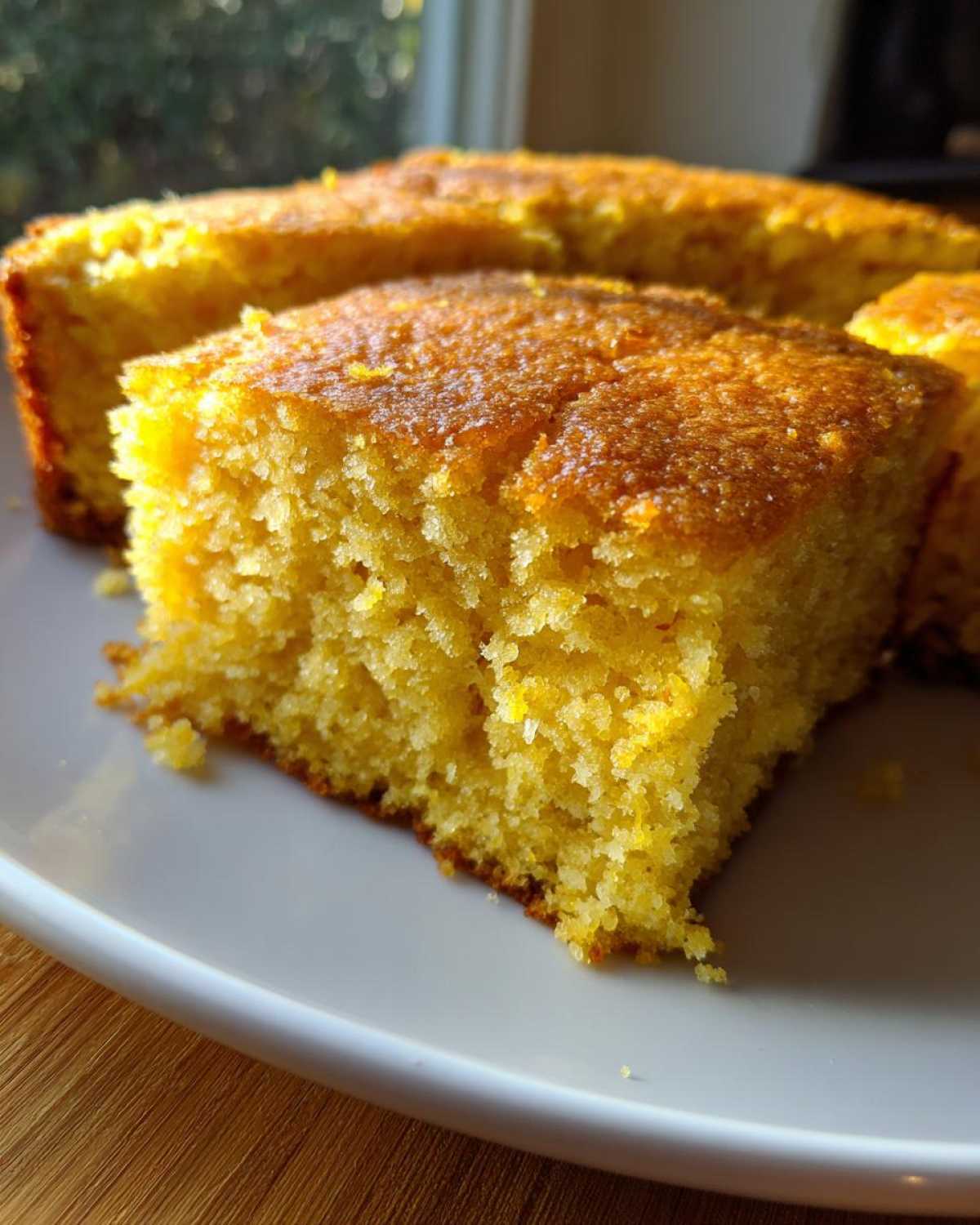
When you bring those wet and dry bowls together, treat that batter gently. We are using the chemical reaction from the baking powder, not building gluten structure like in yeast bread. Overmixing will work all the air out we just whisked in, leading to that dense, heavy texture we are trying to avoid at all costs. Fold until the flour streaks are *almost* gone. Lumps are your friends here, honestly!
Baking and Cooling Your Homemade Cornbread
Watching this cornbread bake is just heavenly. David often says that the smell of baking cornbread is the scent of true American comfort. When this is in the oven, the whole house smells like warm corn and a little bit of that bakery tang—it’s such a special aroma.
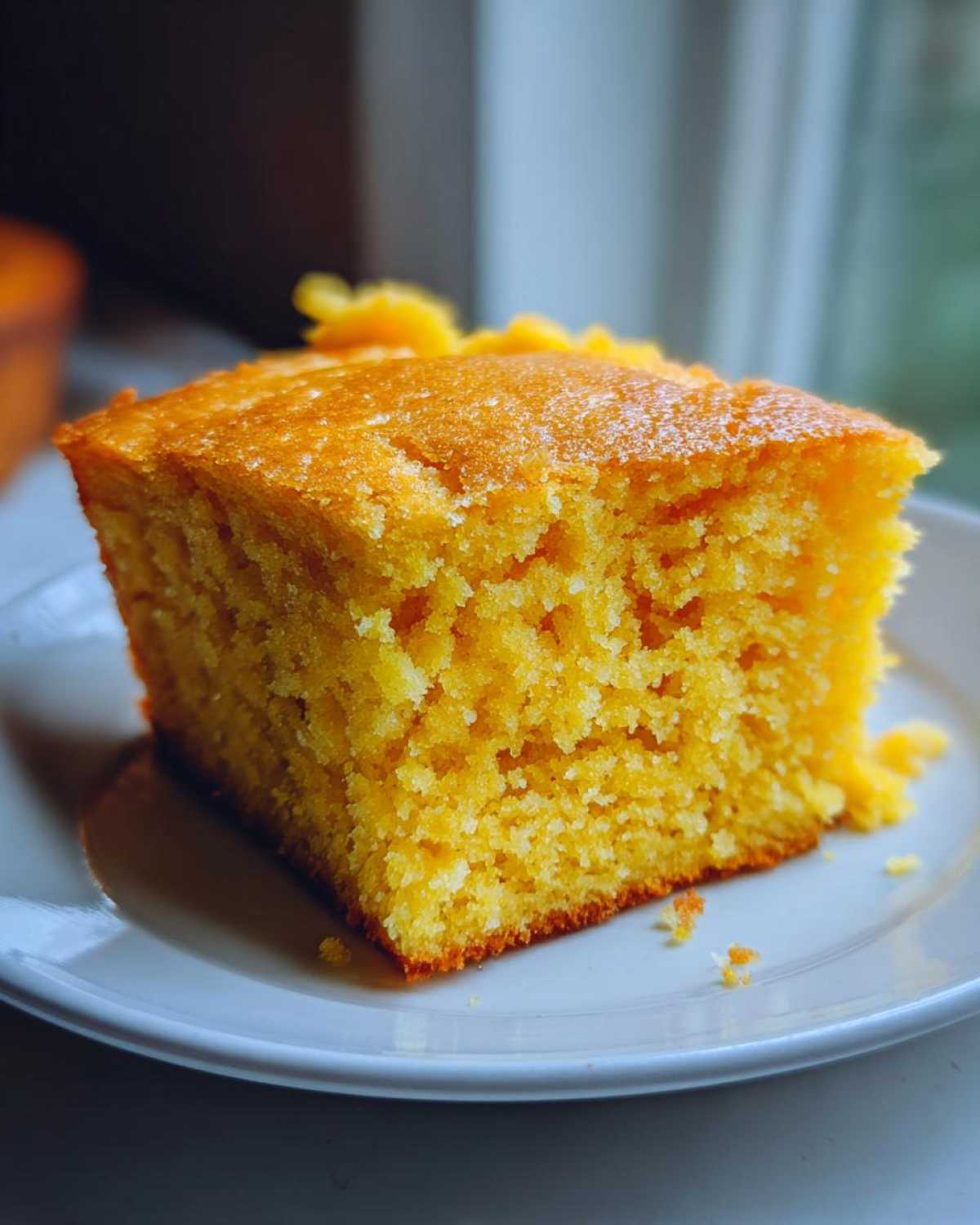
The 20-25 minute bake time is usually spot-on for an 8×8 pan at 375°F, but ovens are wild beasts, right? Always trust that toothpick test. If you pull it out and it’s slightly jiggly in the middle, give it three more minutes and check again. That 10-minute cool-down in the pan is non-negotiable for me. If you try to slice it instantly, the steam escapes too fast, and you end up with dry edges. Just let it sit there and steam itself gently perfect before you transfer it to the rack!
Tips for the Best Sourdough Cornbread Texture and Flavor
We’ve established that this is an incredibly easy cornbread recipe, but if you want to move it from ‘good’ to ‘absolutely legendary,’ you need to pay attention to a couple of little details. These tips are the things Amina learned from her grandmother, adapted slightly for our sourdough journey. They help us make sure every batch truly earns the title of the Best Sourdough Cornbread.
First, I want to circle back to that discard temperature. If you drop cold starter right into your room temperature milk and oil, you risk the fats seizing up slightly, which messes with the final texture. Always, always let your ¾ cup of sourdough discard sit out on the counter for at least 30 minutes before mixing. That small step ensures you get that homogenous, incredibly moist cornbread recipe that never seems to dry out!
For richness, you can even swap out half the vegetable oil for melted butter *after* you’ve removed the pan from the oven, brushing it right on top. It adds a fantastic depth, kind of like the flavor boosters we use in our brown butter cookies. It just elevates everything!
Customizing Your Sweet Cornbread Recipe
One of the things I love most about this recipe is how flexible it is. Sometimes, you want the classic, slightly sweet comfort food, and sometimes, you need something that stands up to smoked ribs or spicy chili. The recipe is written for a nice balance—a genuine Sweet Cornbread Recipe—but you have full control!
If you are making this to go with, say, our famous chili, you might want to lean savory. Here’s how we adjust:
- To make it savory: Cut the granulated sugar way down to just 1 tablespoon. Then, fold in about 1/2 cup of sharp, shredded cheddar cheese right at the end. It becomes amazing—savory, cheesy, and still somehow tender!
- To make it sweeter: On the flip side, if you want it truly Southern-sweet, don’t be shy! Increase that sugar up to 1/2 cup. The tang from the sourdough starter keeps it from tasting too sugary, so it usually handles the extra sweetness beautifully.
And of course, don’t forget the toppings! A generous smear of good salted butter is mandatory, but a drizzle of honey over the warm squares? That takes this sourdough cornbread straight to dessert territory!
Serving Suggestions for Your Sourdough Cornbread
This bread is so versatile, it shocks me sometimes! We made this as a test item when we were first experimenting, and it ended up being the perfect pairing for a huge pot of smoky barbecue beans. Honestly, the slightly tangy, slightly sweet crumb just makes everything taste better.
Because it’s sturdy enough—thanks to that sourdough working its magic—it can stand up to wet, heavy dishes without dissolving into mush. That’s a huge plus, especially if you’re planning for a crowd or a holiday table!
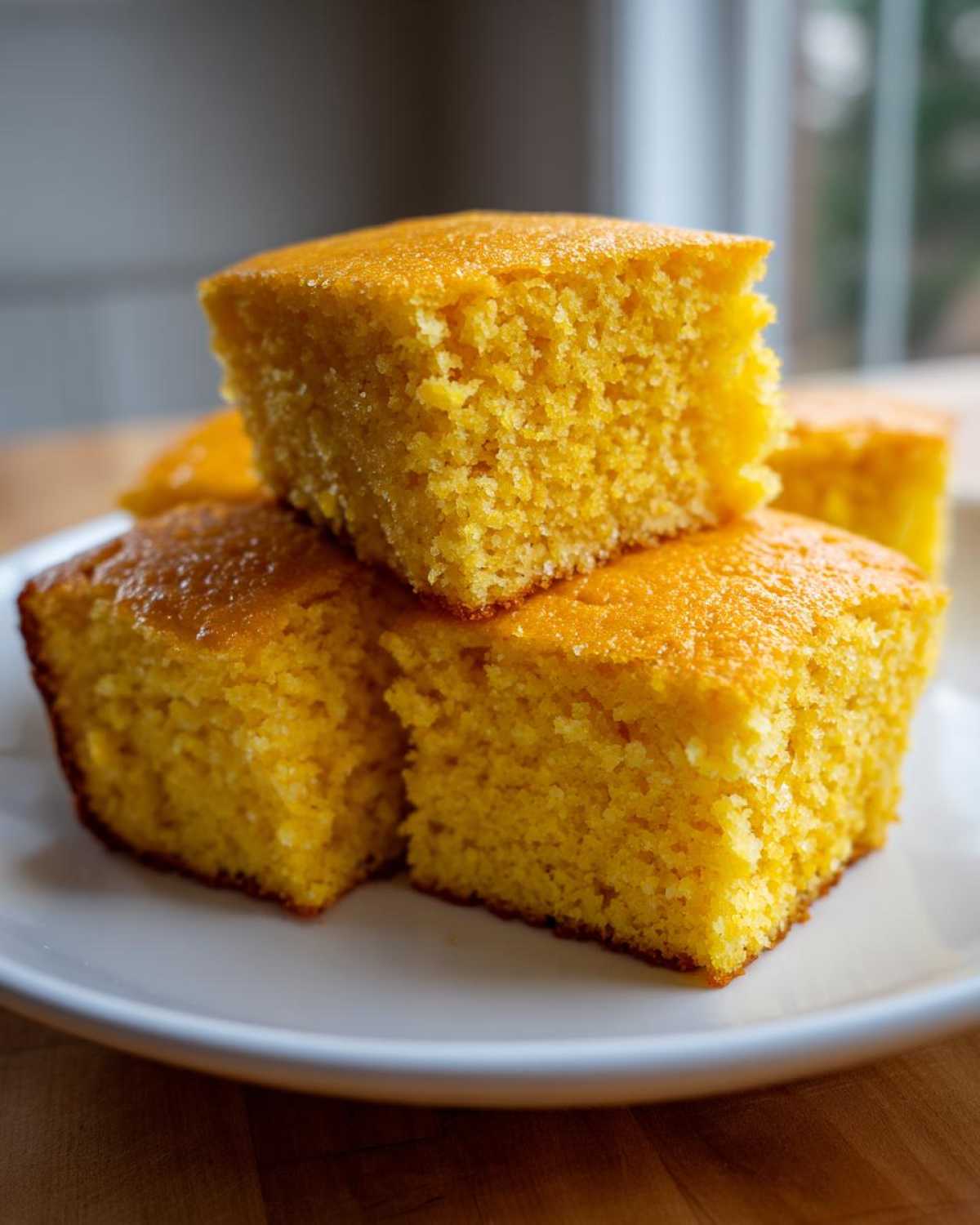
Here are some of our absolute favorite ways to serve up these golden squares:
- The Classic Chili Side Dish: This is non-negotiable. Serve a warm square alongside a big bowl of spicy chili. You use the cornbread not just for eating, but for soaking up every last drop of the sauce! If you love heat, you have to try our favorite chili recipe; it needs this cornbread.
- With BBQ Meats: Whether we are doing pulled pork or smoked chicken, this bread cuts through the richness perfectly. It’s a far better companion than plain white bread, in my humble opinion.
- Alongside Soups and Stews: Think hearty winter meals. It’s fantastic dipped into a thick bowl of stew. We often serve it with creamy soups, too, like our leftover-proof Cowboy Soup.
And let’s talk finishing touches, because that’s nearly as important as the baking itself. You simply cannot skip the finish! Right when it comes out of the oven, while it’s still piping hot, grab some good quality butter—the real stuff!—and let it melt all over the top. That creates the best kind of Buttered Cornbread Topping you can imagine. If you’re feeling extra generous, a drizzle of honey over the melted butter? Forget about it. That little bit of honey enhances the sweetness we already built into the dough.
Storage and Reheating Sourdough Cornbread
One of the beautiful things about this sourdough cornbread is that it behaves so well once it’s baked! Unlike a yeast bread that goes stale in a day, this cornbread manages to stay delightfully moist for ages. This is partly due to the oil and the sourdough discard working together to keep things soft. But you still need to store it right if you want to enjoy those beautiful, tangy squares the next day!
At room temperature, stored tightly covered in an airtight container, it usually keeps perfectly well for about three days. Honestly, around here, it’s usually gone in 24 hours, but trust me, it doesn’t dry out fast!
If you somehow have leftovers stretching past day three, you can absolutely stick it in the fridge. Just make sure it’s wrapped tightly in plastic wrap first, then placed in a container. In the fridge, it’ll last maybe five or six days. Just don’t leave it uncovered; that’s how you get crust edges!
Waking Up Leftover Cornbread Perfection
Okay, but eating cold, refrigerated cornbread? No, thank you! We need to bring that warmth and fluffiness back. Reheating is key to enjoying this even on the fourth day.
My favorite way—and the way that brings back that fresh-from-the-oven feeling—is actually in the oven. Wrap individual squares loosely in aluminum foil (this traps the steam) and heat them at about 300°F (150°C) for maybe 8 to 10 minutes. This makes the inside steamy and soft again.
If you’re in a genuine rush—say, you’ve just ladled out a bowl of chili and need that side *now*—the microwave is fine in a pinch. Pop a square on a plate and microwave it for about 15 to 20 seconds. Be careful not to go too long, or it can get a little chewy. But for a quick fix, it does the job!
No matter which method you use, I insist you pop a tiny pat of butter on top right before serving. That final melting butter bath seals the deal every single time!
Frequently Asked Questions About Sourdough Cornbread
I get so many great questions once people start making this recipe! It seems like once you realize how easy it is to make sourdough cornbread, you start wondering what else you can do with that starter sitting in the fridge. That’s the spirit! Here are some of the things folks ask me most often about making this perfect quick bread.
Can I use active sourdough starter instead of discard for this sourdough cornbread?
Oh, that’s a fantastic question that really gets into the heart of starter discard recipes! Yes, you absolutely can use an active, recently fed starter, but you need to know what changes. If you use starter that’s already at its peak rise, your cornbread might end up a bit denser and possibly a touch more sour than intended. That’s because the active starter has more yeast activity that can fight with the baking powder, especially in quick bread baking.
For this recipe specifically, we want the discard that’s been sitting for at least 12 hours—that slightly sour, unfed consistency gives us the best balance of tanginess and moisture without affecting the lift too much. If you must use active starter, maybe reduce the baking powder by half and see how it goes!
Can I make sourdough cornbread muffins instead of a loaf?
Yes, please do! I love this recipe as muffins; they bake up with these perfectly crisp little edges that are just irresistible, especially slathered in butter. If you switch from the 8×8 pan to a standard 12-cup muffin tin, the process is exactly the same, but you need to watch the baking time closely.
Muffins bake faster because they are smaller and have more surface area exposed to the oven heat. They generally only take about 16 to 20 minutes. Start checking them at the 15-minute mark with your toothpick. You’re looking for that clean removal, just like with the pan version!
Do I have to use sugar in this cornbread?
If you are looking for a truly classic, savory Southern cornbread, you can definitely cut back on the sugar significantly. As I mentioned in the tips section, going down to just one tablespoon of sugar moves this right into the savory category, making it amazing next to smoky meats. However, if you skip the sugar entirely, the sourdough tang can become a little overpowering on its own. The sugar helps balance that acid, so I recommend keeping at least a couple of teaspoons, even for a savory batch. It’s not there to make it taste like cake; it’s there to harmonize the flavors!
If you’re curious about other ways we manage flavor balance in our baking, I cover some of my favorite balancing acts in my baker’s journal on the site!
Nutritional Estimates for This Recipe
Now, I know some of you amazing bakers like to keep track of the macros, and I totally get that! Whether you’re counting calories or just curious about what you’re whipping up, here are the general estimates for this sourdough cornbread. Please remember, just like my notes on my Auntie’s spice jar placement, these numbers are just a guide! They can change based on the exact type of cornmeal you use or if you decide to use honey instead of sugar.
We calculate this based on 9 equal squares from the 8×8 pan. For the full nutritional breakdown and disclosures, you can always check out our standard disclaimer page.
- Serving Size: 1 square
- Calories: Approximately 220
- Sugar: Around 8 grams
- Sodium: About 250 mg
- Total Fat: Roughly 11 grams (This fat content is what keeps the cornbread so wonderfully moist!)
- Saturated Fat: Low, about 2 grams
- Carbohydrates: Roughly 27 grams
- Protein: A solid 4 grams
It’s pretty fantastic that something so comforting and delicious is so easy to fit into a balanced meal plan. Enjoy every bite!
PrintMoist Sourdough Discard Cornbread (Sweet & Tangy)
Use your sourdough discard in this easy recipe for moist and fluffy cornbread. It balances the sourdough tang with a touch of sweetness, making it a perfect side dish for chili or BBQ.
- Prep Time: 10 min
- Cook Time: 25 min
- Total Time: 35 min
- Yield: 9 servings
- Category: Side Dish
- Method: Baking
- Cuisine: American
- Diet: Vegetarian
Ingredients
- 1 cup yellow cornmeal
- 1/2 cup all-purpose flour
- 1/3 cup granulated sugar
- 1 teaspoon baking powder
- 1 teaspoon kosher salt
- 3/4 cup sourdough discard (unfed, room temperature)
- 1/2 cup milk (dairy or non-dairy)
- 1/3 cup vegetable oil
- 1 large egg
Instructions
- Preheat your oven to 375°F (190°C). Grease and flour an 8×8 inch baking pan or line a muffin tin.
- In a large bowl, whisk together the cornmeal, flour, sugar, baking powder, and salt.
- In a separate medium bowl, whisk together the sourdough discard, milk, vegetable oil, and egg until combined.
- Pour the wet ingredients into the dry ingredients. Mix gently with a spatula until just combined. Do not overmix; a few lumps are fine.
- Pour the batter into your prepared pan.
- Bake for 20 to 25 minutes, or until a toothpick inserted into the center comes out clean.
- Let the cornbread cool in the pan for 10 minutes before slicing and serving warm with butter.
Notes
- For a sweeter cornbread, increase the sugar to 1/2 cup.
- If you prefer a savory cornbread, reduce the sugar to 1 tablespoon and add 1/2 cup shredded cheddar cheese.
- This recipe is excellent for using up leftover sourdough discard, reducing food waste.
Nutrition
- Serving Size: 1 square
- Calories: 220
- Sugar: 8
- Sodium: 250
- Fat: 11
- Saturated Fat: 2
- Unsaturated Fat: 9
- Trans Fat: 0
- Carbohydrates: 27
- Fiber: 1
- Protein: 4
- Cholesterol: 30