

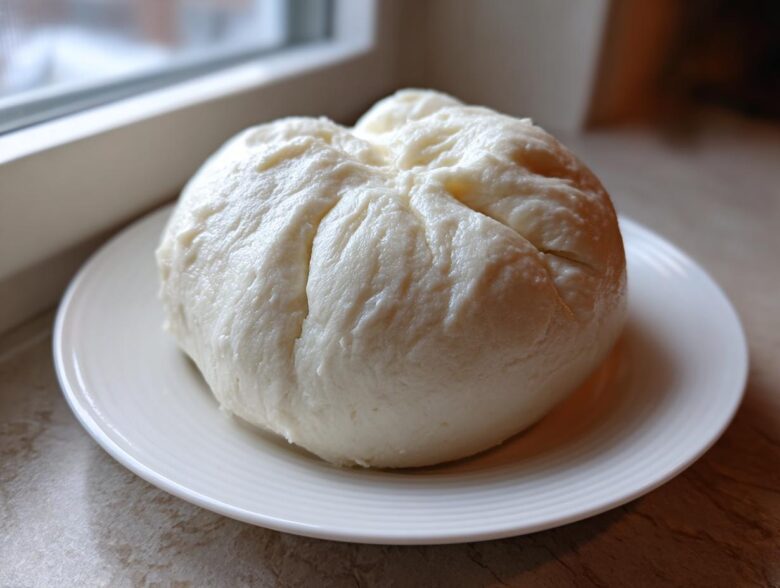
Oh my goodness, if there’s one dish that instantly transports me back home, it’s a perfectly made, steaming ball of fufu. It’s the ultimate comfort food, isn’t it? That smooth, elastic starch that just melts in your mouth, ready to soak up all the deliciousness of your favorite stew. Honestly, when I first tried making this staple food, I thought I’d end up with a lumpy mess, but trust me, after many attempts, I’ve cracked the code!
I’m thrilled to share this incredibly easy, beginner-friendly guide to making authentic fufu from scratch. We’re blending cassava flour with just a touch of plantain for that next-level flavor. If you’re looking for a simple tutorial to master this West African delight, you’ve found the right spot. You can learn more about my cooking philosophy over at our philosophy page!
What Is Fufu? Understanding This African Staple Food
So, what exactly is fufu? Simply put, it’s one of the most important **African Staple Food** items you’ll ever encounter. It’s not like bread or rice; it’s a smooth, thick, dough-like ball made from starchy vegetables that have been pounded, ground, or mixed into submission! It’s designed to be the perfect vehicle for scooping up all those rich, flavorful **African Soups and Stews**.
The texture is the key here—it has to be soft, pliable, and slightly stretchy. We’re making a version using cassava flour below, which is incredibly popular across West Africa. But don’t think it’s one-size-fits-all; different regions use yam, plantain, or even cocoyam to create their own beloved versions of **fufu**.
Cassava Fufu vs. Plantain Fufu: Which Fufu Is Right for You?
When you’re looking at **fufu** recipes, you usually see two main players vying for attention: cassava and plantain. My recipe uses a little of both, but you can absolutely stick to one!
Pure **Cassava Fufu** tends to be a little more neutral in flavor and perhaps slightly firmer. It’s the classic, reliable choice. Adding plantain, as we do, gives the dough an almost imperceptible sweetness and a slightly silkier mouthfeel. It really smooths everything out. If you’re a beginner, I find the slight sweetness from the plantain makes the texture feel more forgiving as you learn to stir it correctly. Honestly, once you master the technique, the base ingredient barely matters as much as the consistency you achieve!
Gathering Ingredients for Your Homemade Fufu Dough
Okay, let’s talk about what you need to pull this off. Gathering your ingredients is super straightforward, but listen closely because the type of flour makes such a huge difference in your final **fufu**!
You need quality ingredients. I always make sure I’m getting the cleanest, finest flour I can find because the texture of this dough relies entirely on it. If you’re sourcing flour for the first time, look for reputable sellers who deal in genuine **West African Cuisine** products. It truly pays off!
Ingredient Notes and Substitutions for Perfect Fufu
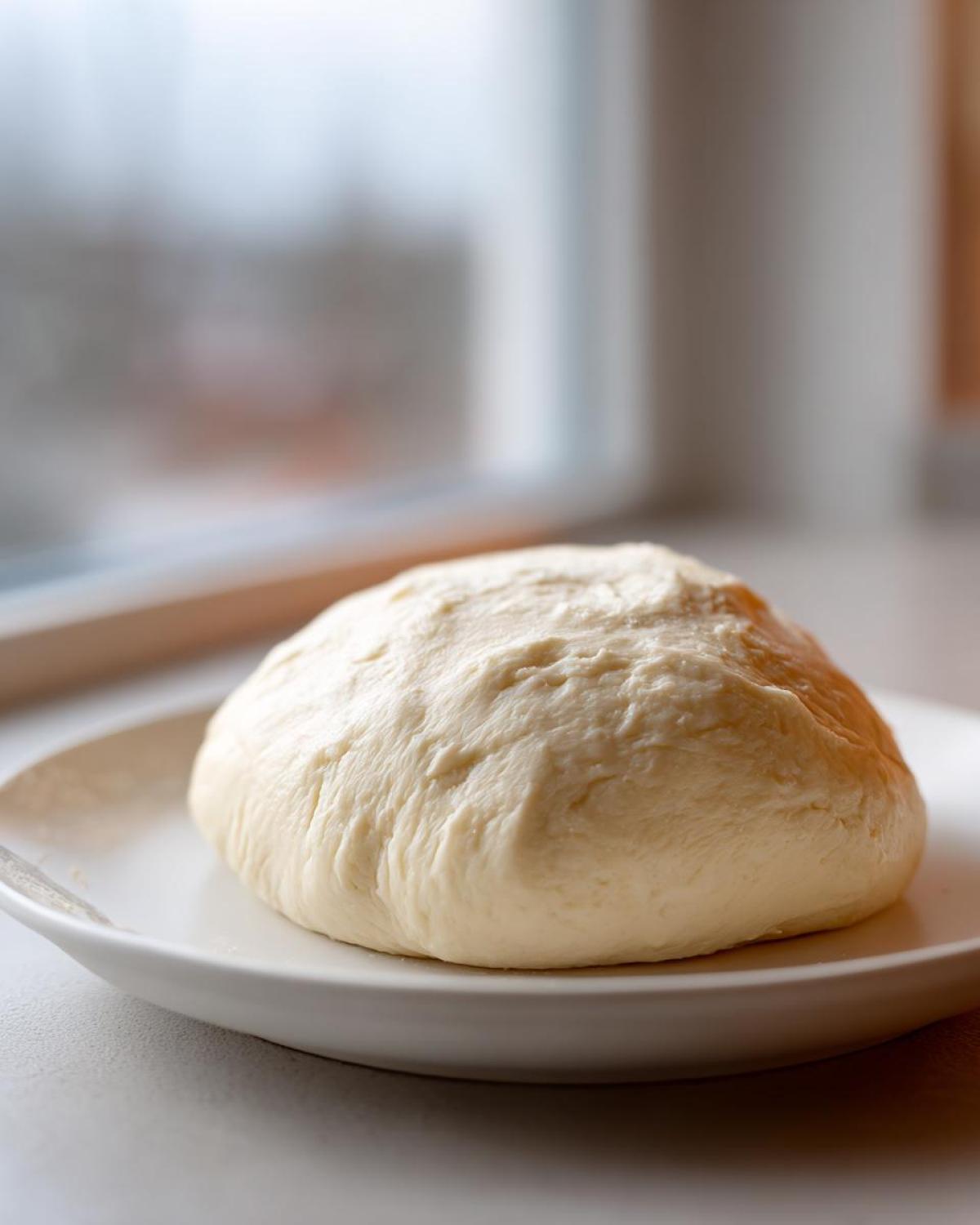
You might see packages labeled “Fufu Flour”—that’s the pre-mixed stuff, and it works great! But I prefer using straight cassava flour because it gives me more control over the hydration level. If you decide to skip the plantain entirely and go for that pure, unadulterated **Cassava Fufu**, no problem at all, just use more water to keep that mixing process smooth. Remember, this dough hates being dry, so always have a tiny bit of extra hot water nearby just in case!
How To Make Fufu: An Easy Fufu Tutorial Step-by-Step
Alright, this is the part where we get our hands dirty, literally! Making **fufu** isn’t difficult, but it requires you to be present and stir like you mean it. It’s less about detailed measuring toward the end and more about using your arm strength and your eyes! Take a peek at my general process over here on the blog archive if you need a visual reminder during the process.
Preparing the Plantain Base (If Applicable)
If you are making the version with plantain—and I highly recommend you do—we start here first. Grab your medium ripe plantain, skin it, and chop it up into small chunks. Not too fancy, just bite-sized pieces. Pop those pieces in a small pot with about half a cup of water. We need to boil them until they are completely falling apart soft, usually around 10 to 15 minutes. Once they are mushy, drain off that water and mash them super smooth. Seriously smooth! Set that warm mash aside. This is going to be the sweet heart of our **fufu** dough.
Developing the Stiff Fufu Dough Consistency
Now for the main event in your non-stick pot. Bring one cup of water to a gentle boil over medium-high heat. Once it’s bubbling nicely, drop the heat way down to low—we don’t want scorched bottoms! Slowly sprinkle in half a cup of your cassava flour while stirring constantly with a sturdy wooden spoon. Seriously, keep that spoon moving until it looks like a thick, grainy paste.
This is where the plantain mash goes in if you made it. Fold it in until it’s completely integrated. Then, we start adding the remaining flour slowly, stirring vigorously after every small addition. It will get incredibly thick, fast! Keep stirring and folding the dough over itself against the side of the pot for a good five to eight minutes. That dedicated stirring cooks the flour and builds that essential elasticity. If your arm gets tired and the dough is just too stiff to move, stir in a tiny splash of hot water until you can fold it smoothly again. When it looks uniform, smooth, and feels bouncy when you press it—that’s when the **fufu** is done cooking! Take it off the heat and let it cool just slightly before shaping them into those perfect balls for serving.
Tips for Success When Making Homemade Fufu Dough
Okay, now that you’ve successfully cooked the base, I want to share a few tricks I learned the hard way so your **fufu** comes out perfect every single time. The difference between good fufu and *amazing* fufu is purely in the technique during that cooking phase!
First tip: Respect the heat! Keep that burner on low once the flour is incorporated. If it gets too hot, that bottom layer scorches instantly, and no amount of stirring can fix burned starch. You need gentle, consistent cooking for that elasticity to develop.
Second, stir like you mean it! When that dough gets stiff, don’t just swirl the spoon. You need to actually press and fold the dough over itself against the sides of the pot. That’s how you force the cooked flour to integrate smoothly. It’s a workout, but it’s worth it. You can read a little more about my commitment to sharing reliable kitchen methods like this on my About Me page.
Finally, for shaping, don’t try to make perfect fifty-cent-sized balls right away. Just grab a scoop of the warm dough and use your hands to quickly roll it into a smooth sphere. A little bit of oil on your hands helps immensely if the dough starts getting a touch sticky while you work.
Fufu Serving Suggestions: Pairing with African Soups and Stews
Now that you’ve made this incredible, smooth fufu, the real fun begins: eating it! Remember, this is the centerpiece of the meal, the starchy anchor for everything else. The way you eat it is just as traditional as how you make it.
The correct way to tackle your **fufu** is always by hand—it just feels right! Pinch off a small piece, roll it quickly between your fingers, and use your thumb to create a small indentation, like a little scoop. That pocket is perfect for dipping deep into your savory soup. It should slide right down, smooth and easy. Don’t forget to try my recipe for that amazing one-pot chicken alfredo if you ever need a break from traditional fare, but for this meal, we stick to the classics!
The Classic Fufu and Egusi Soup Pairing
If there is one dish that screams ultimate comfort in **West African Cuisine**, it’s **fufu** served alongside a rich, savory Egusi Soup. The flavor contrast is divine; the mild, starchy dough perfectly cuts through the deep, nutty flavor of the melon seeds in the soup.
But don’t stop there! This **African Staple Food** is versatile. It stands up beautifully to Peanut Soup, which is rich and earthy, or even a bright, hearty Okra Soup. The key is that thickness; the soup needs that dense **fufu** ball to keep it satisfying and filling. Trust me, whatever stew you choose, this homemade dough will soak it up beautifully.
Storing and Reheating Your Leftover Fufu
The good news about **fufu** is that it keeps well, which is great because sometimes you just can’t eat four servings in one sitting! If you have leftovers, wrap those balls tightly in plastic wrap or place them inside an airtight container. They usually last fine in the fridge for about three days. Don’t leave cooked **fufu** sitting out at room temperature, okay? We don’t want any issues interrupting your next **African meal**!
Reheating is where a lot of people go wrong, making the dough tough and dry. Forget the microwave if you can help it—it heats unevenly and turns it rubbery fast. The best way is to slice off a piece and steam it till it’s soft again, or better yet, just drop the pieces directly into your fresh pot of hot soup for a minute or two. The steam and moisture from the soup will bring that dough right back to life, making it soft and pliable like it was freshly made. That’s my favorite trick for enjoying leftover **fufu**!
Frequently Asked Questions About Making Fufu
I know you might have a couple of lingering questions after diving into the steps for this **Homemade Fufu Dough**. It’s totally normal! This dough behaves differently than regular baking mixes, so let me clear up the most common things people ask when they try this **Easy Fufu Tutorial** for the first time.
Why is my fufu lumpy instead of smooth?
Ah, the dreaded lump! This almost always happens in the early mixing stage, usually because the heat was too high too quickly, or you added the flour too fast. If the heat is too high when you first sprinkle in the flour, the outside of the flour particles instantly gelatinize into a tough little ball before the inside even gets a chance to blend with the water. Next time, please make sure that water is just simmering, not boiling furiously, when you begin sprinkling in your flour. Keep stirring constantly—don’t stop!
Can I use regular all-purpose flour instead of cassava flour?
Oh honey, please don’t! This is the number one mistake I see people make when trying **Beginner African Recipes**. All-purpose flour just won’t cut it here. Wheat flour is full of gluten, which reacts terribly when cooked with too much water and intense stirring. Instead of becoming that smooth, elastic **Authentic African Dough**, you’ll end up with something tough, sticky, and almost impossible to swallow. Stick to **Fufu Flour** or pure cassava flour for the best result!
How soon after making fufu should I serve it?
You really want to aim to serve this right away! **Fufu** is best enjoyed hot and fresh off the stove, when it has that beautiful soft elasticity. If you let it cool completely and sit for hours, it firms up significantly. If you must wait, keep it covered tightly in a warm spot, but honestly, the texture is unparalleled when served within 15 minutes of finishing the stirring process.
Is This Fufu Recipe Gluten Free?
Yes, absolutely! This specific **Fufu Recipe** that focuses on using cassava flour—even if you are making **Plantain Fufu**—is naturally gluten-free. Cassava itself is a root vegetable, not a grain, so it’s a fantastic choice for those looking for **Gluten Free African Food** options. Just double-check the label on your store-bought **Fufu Flour** just in case they mixed in any wheat product, but pure cassava is your friend here!
What if I don’t have a non-stick pot?
Don’t panic! A non-stick pot certainly makes cleanup easier because this dough is sticky, but you can definitely use a heavy-bottomed stainless steel pot. The key is making sure you keep the heat low and stirring continuously. I always recommend having a little bowl of hot water nearby and dipping your wooden spoon into it occasionally; that can help stop the dough from adhering quite so fiercely to the spoon as you stir the **Starchy African Sides**.
If you’re still curious about proper kitchen practices, you can check out our general cooking guidelines on the site disclaimer page. Let me know if you have any other questions!
Nutritional Snapshot of This Authentic African Dough
I know sometimes you want to keep track of what you’re eating, even when it’s deeply comforting food like this starchy side dish. While traditional recipes aren’t usually measured out down to the last gram, I worked hard to give you a general idea of what you’re getting when you enjoy one of these balls alongside your stew!
Please remember this: the numbers below are just an estimate based on the specific recipe I used, which included the optional plantain and yielded about four generous servings. If you use more or less plantain, or if you use a different brand of flour, these values will shift a bit. Think of this as a helpful guide rather than a strict dietary readout!
- Serving Size: 1 ball
- Calories: 250
- Fat: 1g
- Saturated Fat: 0g
- Cholesterol: 0mg
- Sodium: 5mg
- Carbohydrates: 58g
- Fiber: 3g
- Sugar: 1g
- Protein: 2g
See how low that sugar and fat count is? That’s the beauty of this dish—it’s mostly pure, clean energy from the root vegetable! It’s a wonderful, nearly fat-free base to pair up with richer soups. I always feel good about serving this to my family. If you want to dig deeper into how we track ingredients across all my recipes, you can check out the standards we use over on the site disclaimer page.
Share Your Fufu Experience
Whew! We did it! You’ve conquered the stirring marathon, and now you have beautiful, authentic **fufu** ready for dinner. I truly hope this **Fufu Recipe** brings you as much joy as it brings my family.
I’d absolutely love to hear how it turned out! Did you use plantain? Which soup did you pair it with—Egusi, perhaps? Drop your thoughts, rate the recipe, or tell me any tricks you learned in the comments section below. You can always reach out directly through the contact page if you need anything else. Happy eating!
PrintAuthentic West African Fufu Recipe
Learn how to make traditional West African Fufu using cassava and plantain. This guide provides simple steps for beginners to create this essential starchy staple.
- Prep Time: 10 min
- Cook Time: 20 min
- Total Time: 30 min
- Yield: 4 servings
- Category: Side Dish
- Method: Stovetop Cooking
- Cuisine: West African
- Diet: Vegetarian
Ingredients
- 2 cups Cassava Flour (or Fufu Flour)
- 1 cup Water
- 1 medium Ripe Plantain (optional, for flavor and texture)
- 1/2 cup extra Water (for mixing plantain, if used)
Instructions
- If using plantain, peel and chop the plantain into small pieces. Place the plantain pieces in a small pot with 1/2 cup of water. Boil until very soft, about 10-15 minutes. Drain the water and mash the plantain until smooth. Set aside.
- In a medium, non-stick pot, pour 1 cup of water. Bring the water to a boil over medium-high heat.
- Reduce the heat to low. Slowly sprinkle in about 1/2 cup of the cassava flour while stirring constantly with a wooden spoon or spatula. Mix until a thick paste forms.
- If you mashed plantain, add it now and mix thoroughly into the paste.
- Continue adding the remaining cassava flour gradually, stirring vigorously after each addition. The mixture will become very thick and stiff.
- Keep stirring and folding the dough against the sides of the pot for about 5 to 8 minutes. This process cooks the flour and develops the proper texture. If the dough is too stiff to stir, add a tablespoon of hot water at a time until you reach a smooth, firm, elastic consistency.
- Remove the pot from the heat. Shape the Fufu dough into smooth balls using your wooden spoon or by lightly oiling your hands.
- Serve immediately with your favorite African soup, such as Egusi or Okra Soup.
Notes
- Fufu is traditionally eaten by hand. Pinch off a small piece, make an indentation with your thumb, and use it to scoop the soup.
- For a pure cassava Fufu, omit the plantain and use only cassava flour and water.
- If you prefer a smoother texture, use a potato masher on the dough while it is still warm before shaping.
Nutrition
- Serving Size: 1 ball
- Calories: 250
- Sugar: 1
- Sodium: 5
- Fat: 1
- Saturated Fat: 0
- Unsaturated Fat: 1
- Trans Fat: 0
- Carbohydrates: 58
- Fiber: 3
- Protein: 2
- Cholesterol: 0